JTI Plans to Enter Korean HNB Market in H1 2024

JTI by 2FIRSTS.ai
Jan.10.2024
JTI Plans to Enter Korean HNB Market in H1 2024
Japan Tobacco International (JTI) is preparing to enter the South Korean market, adding heated tobacco sticks to convenience store shelves.

According to a report by South Korean media outlet, etoday, on January 9th, Japan Tobacco International (JTI) is ready to enter the South Korean market, driven by the success of KT&G and Philip Morris International (PMI) in the heated tobacco market (HNB).


According to industry sources, Japan Tobacco International (JTI) Korea is expected to introduce heated tobacco sticks to convenience store cigarette shelves in Korea in the first half of this year. This move is seen by the tobacco industry as part of JTI Korea's efforts to launch a new type of e-cigarette. Currently, JTI Korea does not sell HNB (heat-not-burn) tobacco and tobacco stick products in the area.


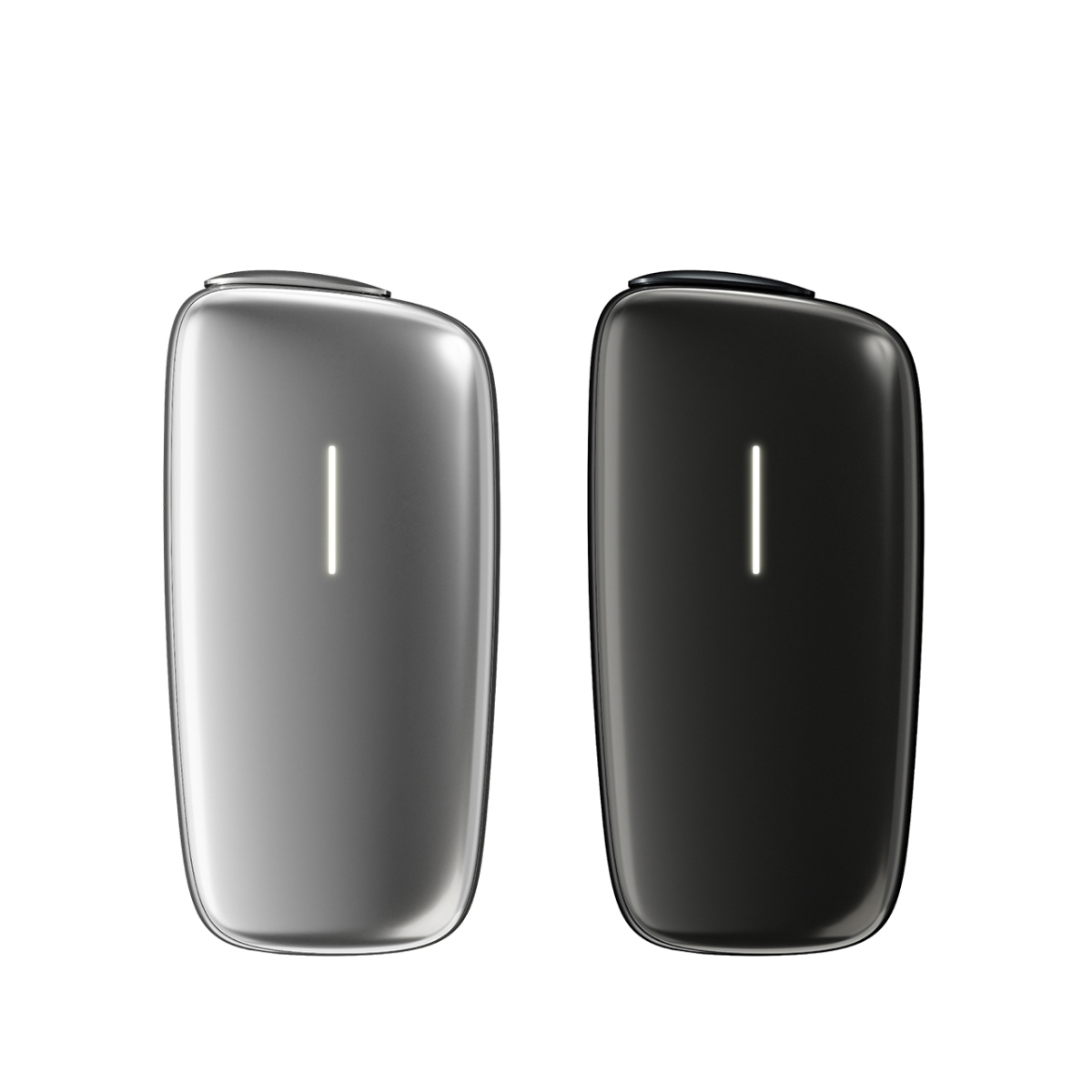
Since 2022, JTI has registered over 100 design patents related to e-cigarettes with the Korean Intellectual Property Office. These patents encompass all aspects of e-cigarette devices and associated components, including the trademark for their newly launched HNB product, "Ploom X," which is currently being sold in Japan.


Japan Tobacco International (JTI) is a Japanese tobacco company headquartered in Geneva, Switzerland, and operates a subsidiary called JTI Korea in South Korea. Although JTI introduced its liquid pod-based e-cigarette product, Ploom Tech, in South Korea in 2019, the company discontinued its sales in 2021. However, due to JTI's global expansion of its e-cigarette business, the industry is optimistic about JTI Korea's prospects in the South Korean e-cigarette market.


A representative from JTI Korea stated that the plans to release e-cigarettes have not been finalized yet, but they are continuously considering various possibilities to enter the e-cigarette market in Korea based on consumer demand and industry trends.


We welcome news tips, article submissions, interview requests, or comments on this piece.

Please contact us at info@2firsts.com, or reach out to Alan Zhao, CEO of 2Firsts, on LinkedIn


Notice

1.  This article is intended solely for professional research purposes related to industry, technology, and policy. Any references to brands or products are made purely for objective description and do not constitute any form of endorsement, recommendation, or promotion by 2Firsts.

2.  The use of nicotine-containing products — including, but not limited to, cigarettes, e-cigarettes, nicotine pouchand heated tobacco products — carries significant health risks. Users are responsible for complying with all applicable laws and regulations in their respective jurisdictions.

3.  This article is not intended to serve as the basis for any investment decisions or financial advice. 2Firsts assumes no direct or indirect liability for any inaccuracies or errors in the content.

4.  Access to this article is strictly prohibited for individuals below the legal age in their jurisdiction.


Copyright


This article is either an original work created by 2Firsts or a reproduction from third-party sources with proper attribution. All copyrights and usage rights belong to 2Firsts or the original content provider. Unauthorized reproduction, distribution, or any other form of unauthorized use by any individual or organization is strictly prohibited. Violators will be held legally accountable.

For copyright-related inquiries, please contact: info@2firsts.com


AI Assistance Disclaimer


This article may have been enhanced using AI tools to improve translation and editorial efficiency. However, due to technical limitations, inaccuracies may occur. Readers are encouraged to refer to the cited sources for the most accurate information.

We welcome any corrections or feedback. Please contact us at: info@2firsts.com

WIRED Investigation: Chinese-Made Vapes Turn to 6-Methyl-Nicotine and Other Analogs, Challenging U.S. Regulation
U.S. technology and investigative publication WIRED has examined how nicotine analogs are emerging as a new challenge for the country’s vape regulatory framework. The article argues that after the U.S. expanded federal oversight of nicotine products in 2022, some manufacturers began using nicotine-like compounds such as 6-methyl-nicotine that may fall outside existing definitions. Researchers cited by WIRED said some nicotine analogs could be more potent than traditional nicotine, although human health impacts remain unclear. U.S. policymakers are considering broader definitions of nicotine to bring these compounds under federal oversight.
Jul.27
Special Report | Russia, Ukraine and Belarus Launch Fresh Push to Rein in Vaping
Russia, Ukraine and Belarus are tightening vape regulation through different tools, from Ukraine’s stronger enforcement push and Belarus’s proposed advertising restrictions to Russia’s new GOST standard and regional sales-ban mechanism. As black-market concerns persist, some Russian experts argue that China’s tightly controlled but legalised model — built around licensing, traceability and taxation — may offer a more effective alternative to blanket prohibition.
Jul.15
FIFA Bans Vaping in 2026 World Cup Stadiums, Putting Nicotine Rules in Event Compliance Focus
FIFA’s 2026 World Cup stadium rules prohibit smoking, vaping and the use of any tobacco products or electronic smoking devices inside stadiums, including inner and outer perimeters, while electronic smoking devices, tobacco products, lighters and matches are listed as prohibited items, bringing nicotine-product management, venue compliance and cross-border legal differences into focus at a major global sporting event.
Jul.06
Earnings Analysis | CTIHK H1 2026 Revenue Falls 26.9% as Core Businesses Diverge and New Growth Drivers Remain to Be Proven
China Tobacco International (HK) reported a 26.9% revenue decline in H1 2026, while gross profit fell only 9.5%, revealing sharp divergence across its businesses. Tobacco leaf imports contracted, while leaf exports and Brazil operations expanded strongly. Cigarette exports faced China duty-free market transition, and new tobacco products remained small. Meanwhile, CTIHK continues to strengthen its role as an investment and financing platform, though major external deals have yet to emerge. 2Firsts examines what these shifts mean for its next growth drivers.
Capital Markets
Aug.24
Product | PMI Japan Expands ZYN by IQOS Strength Portfolio With Strong Series, Increasing Lineup to 12 Products
Philip Morris Japan (PMJ) has expanded the ZYN by IQOS oral tobacco pouch portfolio in Japan with four new ZYN Strong products, adding a third intensity level alongside the existing Low and Medium ranges. The Strong series first entered selected duty-free channels in Japan on July 1, 2026, before expanding to IQOS stores, the ZYN Online Store and selected tobacco retailers from August 18. The expansion increases the Japanese ZYN by IQOS lineup from eight to 12 products.
Aug.20
China Discloses First Criminal Case Over Counterfeit Vapes Disguised as “Medical Nebulizers” and “Zero-Nicotine” Products
Chinese authorities have disclosed the country’s first reported criminal case involving counterfeit vapes marketed as “medical nebulizers” and “zero-nicotine” products. Authorities determined that the products involved were counterfeit vapes and pursued criminal charges for producing and selling counterfeit goods. According to the report, the case resulted in the seizure of 347,000 counterfeit vape pods and 53,700 vape devices, with physical goods valued at 22.13 million yuan.
Aug.04