Kentucky Governor Beshear Signs PMTA Registration Law, Effective 2025

Regulations by 2FIRSTS.ai
Apr.09.2024
Kentucky Governor Beshear Signs PMTA Registration Law, Effective 2025
Kentucky Governor Andy Beshear signed the 11th bill, making Kentucky the sixth state to implement PMTA registration law.

According to Vaping360, Governor Andy Beshear of Kentucky officially signed Bill 11 on April 5, making Kentucky the sixth state to implement PMTA registration laws. The bill was passed by both houses of the Kentucky legislature on March 28 and is expected to take effect on January 1, 2025.


Approximately 20 states' lawmakers are currently considering similar PMTA registration bills, and the governors of Virginia and Florida are currently deliberating whether to sign the registration bills that have been passed by their state legislatures.


The bill will prohibit the sale of e-cigarette products that do not have FDA marketing authorization, are under FDA review, have a Market Denial Order (MDO) appeal pending, have had their MDO suspended or revoked by a court or the FDA. Manufacturers must certify that their products meet state requirements before selling them in the state. The Kentucky Secretary of State will establish a list of approved retailers to sell legal products within the state, and wholesalers will be responsible for only selling to authorized retailers. The new law will impose heavy penalties on violators in the manufacturing, distribution, and retail sales sectors.


Like most PMTA registration bills, this 11th bill was drafted and lobbied for by Altria Group, and pushed through the legislature by Republican lawmakers (all 22 sponsors in the Kentucky House of Representatives are Republicans). However, this bill received majority support from both parties in both chambers, with the state governor, Beshear, being a Democrat.


The PMTA registration law has been enacted in Alabama, Louisiana, and Oklahoma. The registration law in Wisconsin was passed last December and will take effect on July 1, 2025. Utah Governor Spencer Cox signed a PMTA registration bill in March of this year, which will take effect on January 1, 2025.


We welcome news tips, article submissions, interview requests, or comments on this piece.

Please contact us at info@2firsts.com, or reach out to Alan Zhao, CEO of 2Firsts, on LinkedIn


Notice

1.  This article is intended solely for professional research purposes related to industry, technology, and policy. Any references to brands or products are made purely for objective description and do not constitute any form of endorsement, recommendation, or promotion by 2Firsts.

2.  The use of nicotine-containing products — including, but not limited to, cigarettes, e-cigarettes, nicotine pouchand heated tobacco products — carries significant health risks. Users are responsible for complying with all applicable laws and regulations in their respective jurisdictions.

3.  This article is not intended to serve as the basis for any investment decisions or financial advice. 2Firsts assumes no direct or indirect liability for any inaccuracies or errors in the content.

4.  Access to this article is strictly prohibited for individuals below the legal age in their jurisdiction.


Copyright


This article is either an original work created by 2Firsts or a reproduction from third-party sources with proper attribution. All copyrights and usage rights belong to 2Firsts or the original content provider. Unauthorized reproduction, distribution, or any other form of unauthorized use by any individual or organization is strictly prohibited. Violators will be held legally accountable.

For copyright-related inquiries, please contact: info@2firsts.com


AI Assistance Disclaimer


This article may have been enhanced using AI tools to improve translation and editorial efficiency. However, due to technical limitations, inaccuracies may occur. Readers are encouraged to refer to the cited sources for the most accurate information.

We welcome any corrections or feedback. Please contact us at: info@2firsts.com

FDA Rescinds Denials for 280 Charlie’s Vape and E-Liquid Products; Court Vacates MDOs for Five Other Firms on Same Day
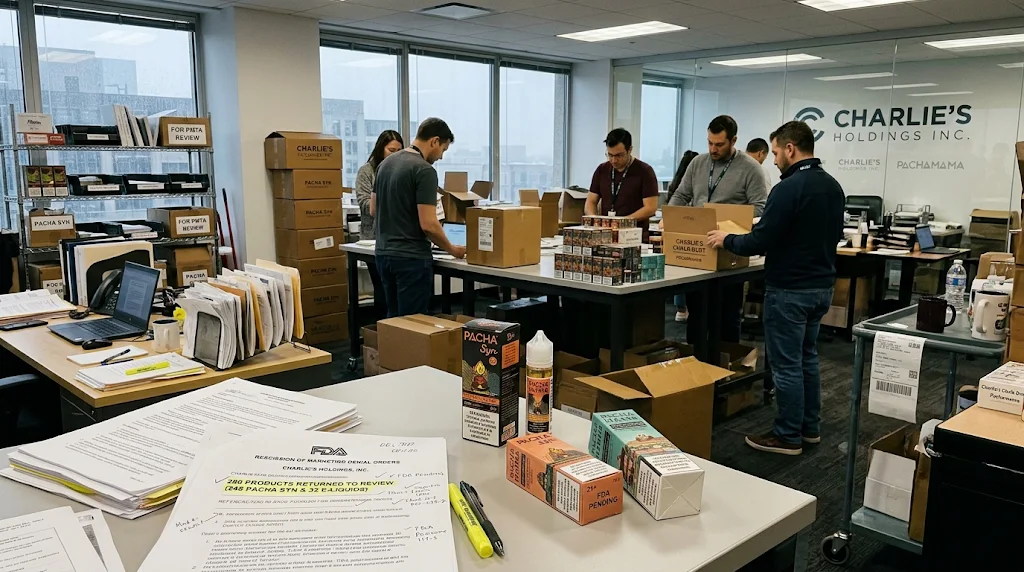
The U.S. Food and Drug Administration (FDA) rescinded marketing denial orders (MDOs) covering 280 e-cigarette and e-liquid products owned by Charlie’s Holdings on November 18, 2026. The products include 248 PACHA Syn disposable vapes and 32 Charlie’s Chalk Dust and Pachamama e-liquids. On the same day, the U.S. Court of Appeals for the Fifth Circuit vacated MDOs involving five other vaping companies and remanded their cases to the FDA. Both actions were linked to the court’s August ruling in NicQuid. Charlie’s affected PMTAs have returned to review without receiving marketing authorization. The company reported retaining 678 PMTA assets, while third-quarter 2026 net revenue fell 55.9% year over year.
product
Nov.24
JTI Liggett Puts U.S. Value Cigarette Brands in Spotlight at 2026 NACS Show
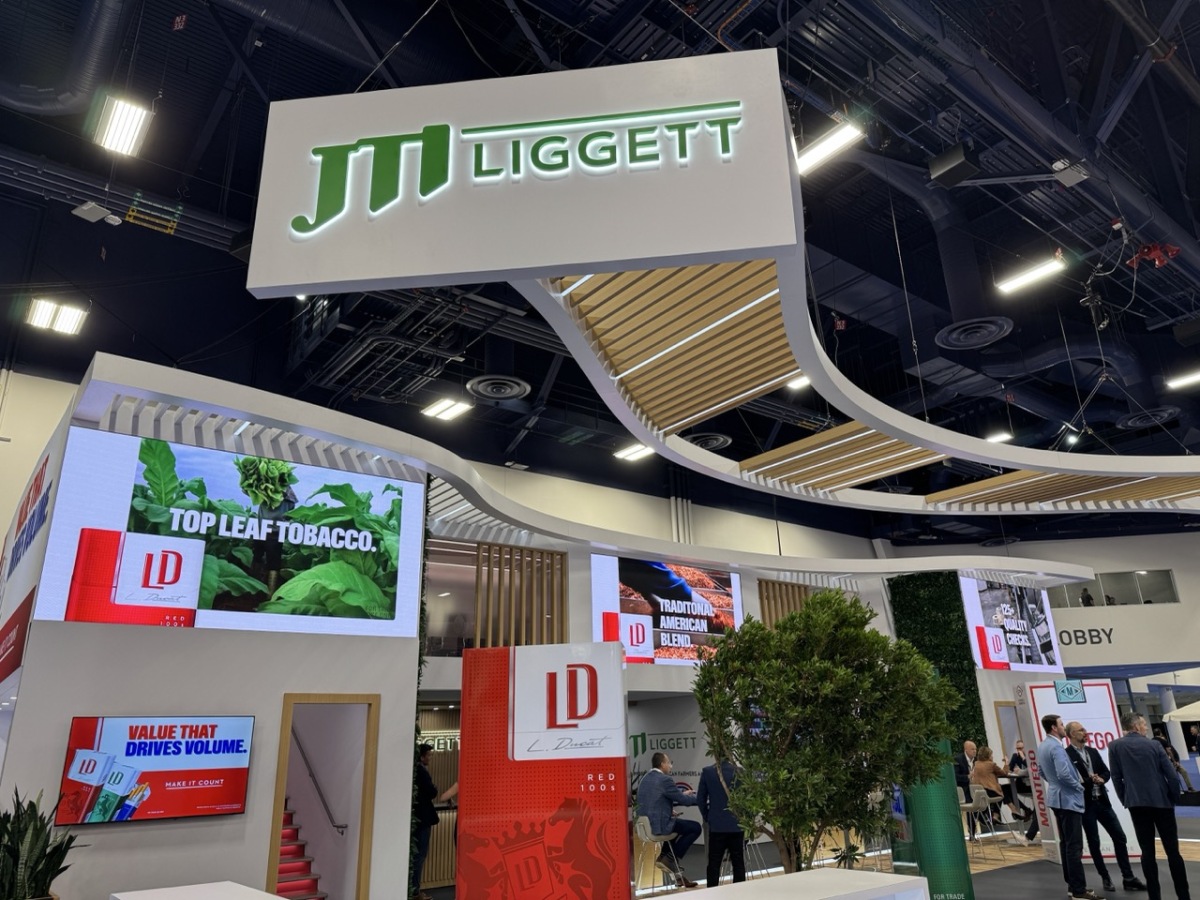
At the 2026 NACS Show in Las Vegas, JTI Liggett highlighted its value-priced cigarette portfolio, including LD and Montego, following JT Group's acquisition of Vector Group. The company's U.S. business reported market share gains, with LD sales volume rising 32.6% in the first half of 2026. Meanwhile, Ploom was displayed separately at Altria's booth under an existing partnership. JTI Liggett booth staff told 2Firsts that the company had not yet launched nicotine pouch products in the United States.
EXPO
Oct.09
Los Angeles Cracks Down on Illicit Flavored Vapes and Counterfeit Goods: 12 Businesses Searched, 24 Arrested, Eight Truckloads Seized
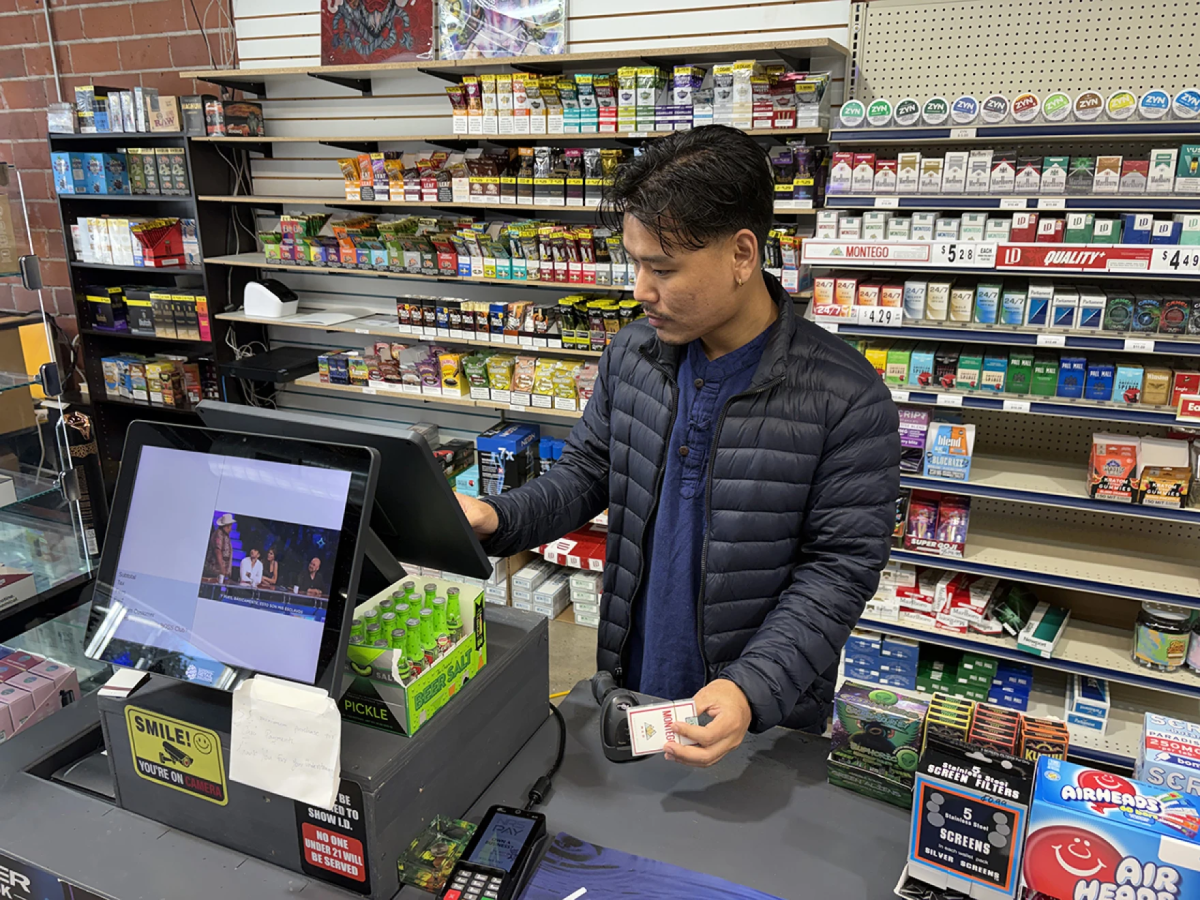
Los Angeles authorities searched 12 businesses and arrested 24 people during a multi-agency operation targeting illicit flavored vaping products, flavored cigarettes and counterfeit merchandise on October 22, 2026. The Los Angeles County Sheriff's Department said approximately eight tractor-trailer loads of merchandise were seized. Alleged violations involved flavored tobacco sales restrictions, tobacco licensing requirements and counterfeit trademark laws. Local, state and federal agencies participated. Authorities have not disclosed the number, brands or value of vaping products seized. Investigations remain ongoing.
Enforcement
Oct.28
Russia's State Duma Passes Tobacco and Nicotine Ingredient Disclosure Bill, Targeting 2027 End to Trade-Secret Protection for Certain Harmful Ingredient Data
Russia's State Duma passed a government-sponsored amendment on November 11, 2026, by 414 votes to none, seeking to prevent businesses from classifying information on the presence and number of types of certain harmful ingredients in tobacco and nicotine-containing products as trade secrets. The measure covers ingredients capable of increasing nicotine dependence or exhibiting toxic, carcinogenic, mutagenic or reproductive toxicity, including substances that acquire such properties during heating or smoldering. Bill No. 1286415-8 would amend Article 5 of Federal Law No. 98-FZ on Commercial Secrets and is scheduled to take effect on January 1, 2027. The bill has cleared all three readings in the State Duma but has not completed the remaining legislative procedures.
Regulations
Nov.12 by 2Firsts Perspectives
New York Permanently Bars Two Vape Shop Operators; NYC Survey Finds Banned Flavors at 40% of Sellers as City Weighs Expanded Shop-Sealing Powers
On Nov 20, 2026, New York’s Attorney General announced a state court permanently barred two repeat-offending vape shop operators and three affiliated companies from specified vaping businesses, with $534,550 in penalties, outstanding fines and court costs. The operators had continued trading under successive company names and at different locations after earlier enforcement. Separately, a Nov 18 New York City Council investigation found 40% of 121 surveyed e-cigarette retailers offered identifiable prohibited flavors. Among businesses without active e-cigarette retail licenses in the report’s enforcement-record review, about $1.12 million in penalties was recorded, versus net payments of just 0.5%. The Department of Consumer and Worker Protection also found newly incorporated LLCs used to evade enforcement. City lawmakers are considering expanded premises-sealing authority for repeat e-cigarette retail violations.
Enforcement
Nov.25
Iowa Vape Directory Exposes Retail Divide: Specialty Vape Retailer Route 69 Vapor Says Over 98% of Its Inventory Is Unlisted, While Convenience Chains Casey’s, Maverik and Tobacco Giant Altria Previously Backed the Law
Iowa published its first vapor products directory on November 16, 2026, restricting retail sales to products covered by 361 listed entries. In interviews published on November 18, independent vape retailers described inventory restrictions, revenue exposure and store closure plans. Route 69 Vapor said more than 98% of its inventory was excluded from the directory, while Central Iowa Vapors said approximately 91% of its existing product assortment was unlisted. A mixed tobacco retailer reported nearly $15,000 in vape inventory that suppliers would not accept for return. Iowa legislative records show that convenience store and fuel retail chains Casey’s and Maverik, along with tobacco company Altria, supported the legislation establishing the directory in 2024. The new rules also affect licensed distributors, wholesalers and manufacturers, bringing supply-chain arrangements into the dispute over retail access.
Regulations
Nov.19