Special announcement:
This article is limited to research on the global atomization industry and does not involve recommendations for any brands or products.
The scope of this article is limited to the business sector and does not include any comments on regulatory policies or international current affairs.
Minors are prohibited from accessing.
Inflated Puff Counts: Inside Story
by 2FIRSTS Leona Zhu
Recently, editors at 2FIRSTS purchased a disposable e-cigarette in the American market that claims to contain 16 milliliters of e-liquid and provide up to 15,000 puffs in "single-coil" mode. However, after conducting tests, 2FIRSTS staff found that the actual number of puffs was only 3,000 (the test subject was a female with normal vaping habits).
Why is the actual number of puffs far lower than the advertised quantity? 2FIRSTS editors consulted industry insiders and learned that this is not an isolated case, with the phenomenon of "inflated puff counts" being widespread in the e-cigarette industry.
Compared to traditional cigarettes, e-cigarettes come in varying capacities, so they cannot be measured in the same way as traditional cigarettes by using "packs." The measurement of e-cigarettes typically involves "puffs." Overstatement of puff count in e-cigarettes refers to the discrepancy between the advertised puff count on the packaging and the actual count, with the majority of products having a much lower actual count than what is claimed. The reason for this phenomenon is that some e-cigarette manufacturers, faced with intense competition and unable to break through in product technology, inflate the puff count to highlight the value of their products and compete for market share.
Inflated Puff Count: Recurring Incidents
Exaggerating the number of puffs has long been a phenomenon. In August 2021, foreign media exposed the e-cigarette puff exaggeration incident: PUFF BAR was sued by consumers, claiming that it advertised an e-cigarette with 800 puffs, but the actual usage was far lower than that.
Discerning American consumers have exposed the practice of falsifying puff counts on e-cigarettes. The class-action lawsuit in question states, "Although the defendant acknowledges that due to technical issues unknown to ordinary consumers, the Puff Bar Plus cannot truly provide 800 puffs, the defendant failed to provide this information anywhere on the product packaging."
There have been no updates on the handling of the case available through public channels. However, based on the current market situation, the case has not deterred manufacturers from exaggerating their product specifications. On the contrary, the situation has escalated.
An insider that has been running business in U.S. for a long time told 2FIRSTS that overstating the number of puffs has become an unwritten rule in the e-cigarette industry. Some industry insiders even claim that almost all products on the market (mainly referring to the American market) are unable to meet the claimed number of puffs.
On the well-known American retail website DAMANDVAPE, 2FIRSTS compared the e-liquid amount and labeled nicotine strength of its flagship e-cigarette products. The results are shown in the following graph:
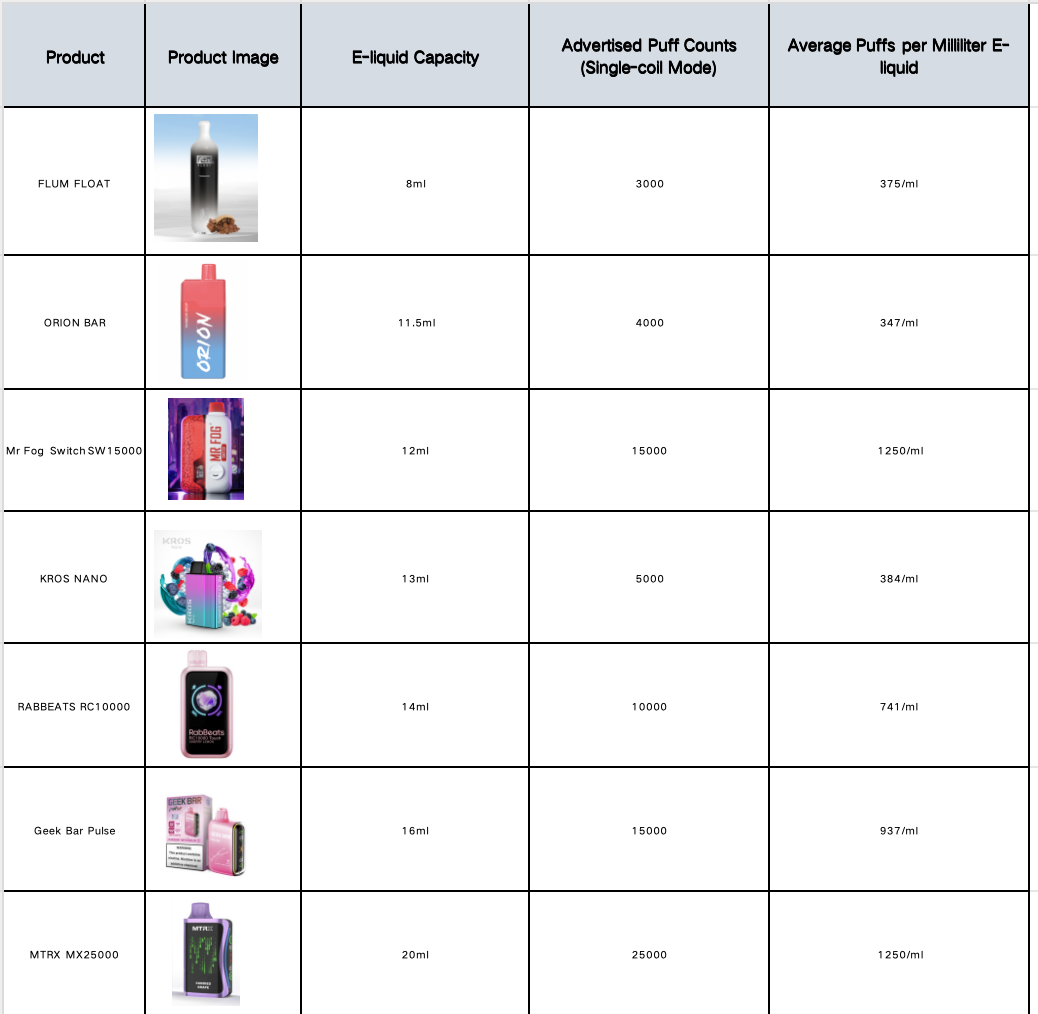
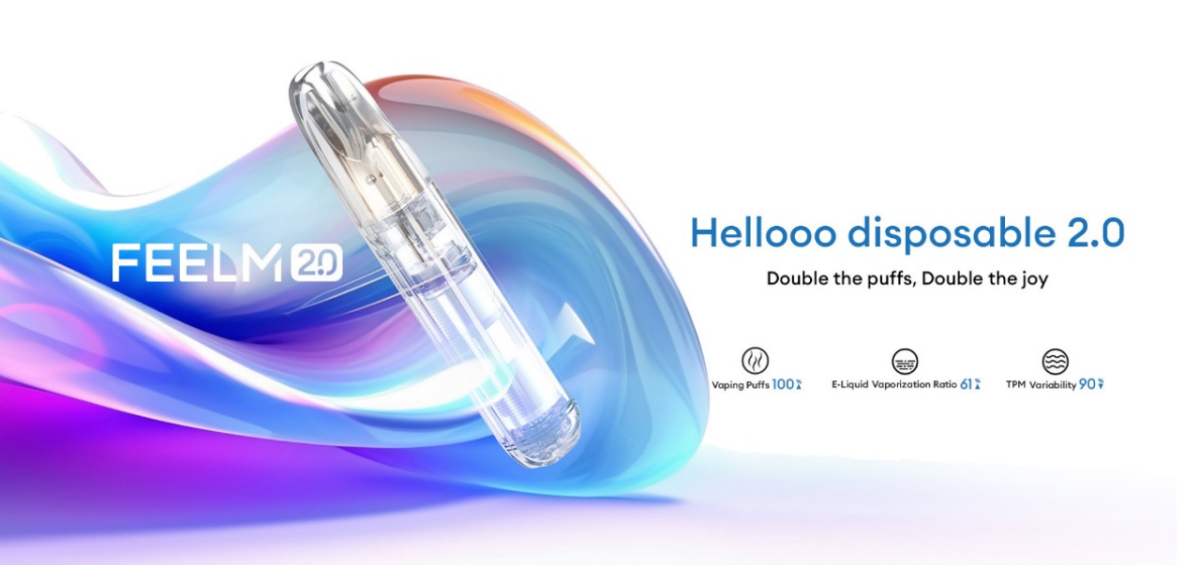
According to the labeling of these products, the average number of puffs per milliliter of e-liquid ranges from a minimum of 347 puffs to a maximum of 1250 puffs. In Europe, in accordance with the EU's TPD regulations, e-liquid content cannot exceed 2ml, with 2ml of e-liquid generally considered to provide around 600 puffs. Therefore, most compliant disposable e-cigarettes on the European market claim to have 600 puffs. Some manufacturers have advertised achieving technological breakthroughs, such as IVG (2400 puffs) and products using Smoore FEELM 2.0 technology (1000 puffs).
Based on the default rules of the European market, the number of puffs that can be taken from each milliliter of e-liquid is approximately 300 puffs. Therefore, without any technological breakthroughs, some brands in the American market label their products with a significantly higher number of puffs than the default average in the European market.
However, whether it is the puffs in the European market or the puff counts in the American market, these are all figures provided by the manufacturers.
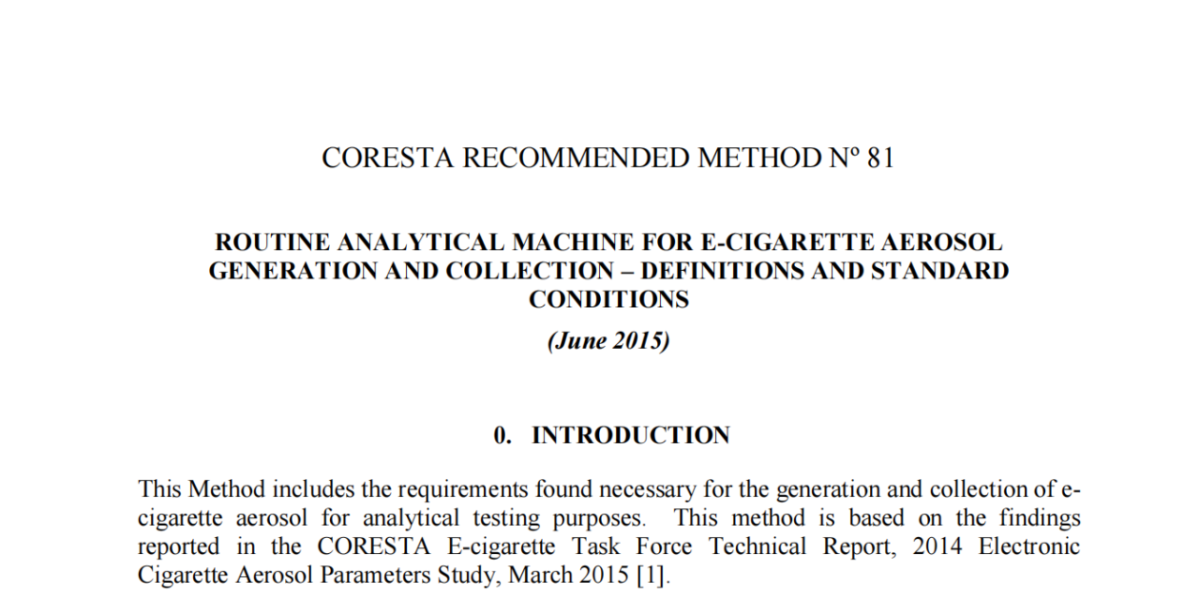
An engineer from Shenzhen Elements Testing Co., Ltd. told 2FIRSTS that due to different testing parameters, there are significant differences in the test results of the number of puffs. Laboratories typically use international standard parameters for testing - "3S, 55mL" (3 seconds per suction port, flow rate of 55 milliliters. Note: flow rate refers to the volume of gas sucked). According to this parameter, about 200 puffs can usually be generated from 2 milliliters of e-liquid, but products are usually labeled as 600-800 ports. However, the engineer believes that achieving 600-800 puffs is not entirely impossible, but the parameters need to be adjusted to "1S, 18mL" (1 second per suction port, flow rate of 18 milliliters) to reach that amount. However, it is understood that the suction time and gas flow rate of normal users are much higher than this parameter.
Industry insiders pointed out that typically, the actual number of puffs can be obtained by subtracting half of the number of puffs indicated by the manufacturer. This has become the default unspoken rule in the industry.
In addition, it is understood that the reason for the significant discrepancy between the labeled number of puffs and the actual number of puffs is not only due to different testing conditions or falsely labeled puffs. There is also a more hidden reason - some e-cigarettes have a phenomenon of falsely labeling the content of e-liquid, with some labeling 3 milliliters more when the actual amount is lower, and others labeling more than double when the actual amount is higher.
Inflated Figures: Result of Compliance or Competition?
Why has the issue of exaggerated puff numbers become an "open secret" in the e-cigarette industry? Behind the chaos is profit driving forces.
In a fiercely competitive market environment, some manufacturers, unable to make breakthroughs either technically or in terms of cost, have resorted to the tactic of "false advertising," focusing their attention on numbers directly tied to pricing. Once this rule is broken, false advertising becomes a trend.
An industry insider once said that he could openly admit to clients that the number of units on his product packaging is "overstated" because "everyone else does it, so I can't afford not to do it."
The practice of false advertising exists in every aspect of the supply chain for a reason. The co-founder of a U.S. e-cig brand pointed out that from a production perspective, determining the number of product uses is crucial before the product is released to the market. If the production does not follow the trend of mainstream usage numbers, then the only way to compete in the market is by falsely advertising the number of uses.
From the perspectives of wholesale and retail, products with high thread counts are usually able to be sold at higher prices. Some lesser known brands may falsely advertise thread counts to lower product costs, in order to compete with low thread count products from larger brands. For example, pricing a product with a claimed thread count of 8000 the same as a well-known brand with a claimed thread count of 5000. This will increase the competitiveness of the product to some extent.
Exaggerated claims are so widespread because, in addition to profit motives, they also benefit from consumer "acceptance." The insider stated that most consumers are actually aware that numbers on labels are exaggerated, but nobody really questions it. Experienced consumers will evaluate the true flavor based on their own smoking habits, while some will use e-liquid capacity as a reference standard.
"You can't weigh a packet of snacks when you buy it outside." A senior industry expert in the e-cigarette industry used this vivid metaphor to illustrate why the practice of exaggerated claims in the e-cigarette market has not been given enough attention.
In addition, a senior industry expert pointed out that disposable e-cigarettes are in a "grey area" in many countries, making it difficult for consumers to protect their rights.
In addition to the aforementioned phenomenon of inflated descriptions, there is also a situation that is the opposite. That is, the deliberate underreporting of figures in the European market.
In compliance with regulatory requirements, the e-liquids in Europe must not exceed 2 milliliters. However, editors at 2FIRSTS found that when using a European-purchased e-cigarette with a labeled liquid content of 2 milliliters, they actually took more than 600 puffs.
In light of the previous incidents of e-liquid overdosing in multiple e-cigarette products in the UK, the practice of underreporting nicotine levels on e-liquid labels has also raised suspicions. Underreporting nicotine levels intentionally to evade regulation, even in compliance with regulations, is another form of misleading labeling.
Exaggerated Puffs Highlight Regulatory Blind Spot
In a chaotic market where companies can profit without fear of punishment for false advertising, some companies without technical expertise but willing to deceive disrupt market regulations at low cost. This exacerbates the culture of "bad money driving out good" in the e-cigarette industry, with reputable manufacturers facing a dilemma between "business interests" and "business ethics." Unscrupulous manufacturers profit in the short term through false claims but further deteriorate the regulatory environment and social reputation of the e-cigarette industry, hindering its long-term, high-quality global development.
Consumers are the ones who end up paying for the exaggerated number of mouths. As mentioned earlier, consumers "accept" the exaggerated number of mouths, which is just a result of the difficulty in protecting their rights.
In reality, consumers are not indifferent to the issue of exaggerated mouthpiece numbers. 2FIRSTS discovered on international social media platforms that many e-cigarette consumers are dissatisfied with this, with some even proposing a collective appeal to uphold their rights. However, due to the lack of intervention from regulatory authorities, manufacturers do not seem to feel deterred.

The exaggeration of numbers in advertising is not adequately addressed by industry self-regulation alone. Why is it that we don't need to monitor the quantity of snacks we purchase every time? It is because a robust system of consumer protection has been put in place to act as a strong barrier against deceptive practices, and to deter counterfeiters. A similar mechanism should also be established in the realm of e-cigarette consumer protection.
However, the inadequacy of relevant consumer protection mechanisms highlights a blind spot in the current global regulation of e-cigarettes. For major e-cigarette consumer markets worldwide, such as Europe and the United States, regulatory efforts primarily focus on addressing the societal harms associated with e-cigarettes, including underage protection, illicit trade, and tax revenue loss. While these regulations are undoubtedly crucial, consumer protection should not be overlooked as e-cigarettes are consumer goods. Establishing product quality standards, monitoring systems, consumer rights protection mechanisms, and combating counterfeit products not only further safeguards the safety and interests of e-cigarette consumers but also significantly promotes the healthy development of the global industry, facilitating the displacement of inferior products with superior ones.
We welcome news tips, article submissions, interview requests, or comments on this piece.
Please contact us at info@2firsts.com, or reach out to Alan Zhao, CEO of 2Firsts, on LinkedIn
Notice
1. This article is intended solely for professional research purposes related to industry, technology, and policy. Any references to brands or products are made purely for objective description and do not constitute any form of endorsement, recommendation, or promotion by 2Firsts.
2. The use of nicotine-containing products — including, but not limited to, cigarettes, e-cigarettes, nicotine pouchand heated tobacco products — carries significant health risks. Users are responsible for complying with all applicable laws and regulations in their respective jurisdictions.
3. This article is not intended to serve as the basis for any investment decisions or financial advice. 2Firsts assumes no direct or indirect liability for any inaccuracies or errors in the content.
4. Access to this article is strictly prohibited for individuals below the legal age in their jurisdiction.
Copyright
This article is either an original work created by 2Firsts or a reproduction from third-party sources with proper attribution. All copyrights and usage rights belong to 2Firsts or the original content provider. Unauthorized reproduction, distribution, or any other form of unauthorized use by any individual or organization is strictly prohibited. Violators will be held legally accountable.
For copyright-related inquiries, please contact: info@2firsts.com
AI Assistance Disclaimer
This article may have been enhanced using AI tools to improve translation and editorial efficiency. However, due to technical limitations, inaccuracies may occur. Readers are encouraged to refer to the cited sources for the most accurate information.
We welcome any corrections or feedback. Please contact us at: info@2firsts.com