Key Points
- New York will tax alternative nicotine products, including tobacco-free nicotine pouches, at 75% of the wholesale price from September 1.
- Businesses must inventory covered products held at 11:59 p.m. on August 31 and pay the applicable floor tax by September 21.
- Businesses importing or selling the products will also be brought into existing tobacco-product licensing or registration requirements.
- Vapor products are explicitly excluded from the definition of alternative nicotine products.
- New York separately imposes a 20% supplemental sales tax on the retail price of vapor products, meaning the 20% and 75% rates are based on different tax bases and should not be compared directly.
2Firsts
August 26, 2026
New York State will extend its tobacco products tax to “alternative nicotine products,” including tobacco-free nicotine pouches, from September 1, imposing a tax equal to 75% of the wholesale price, according to Notice N-26-2 issued by the New York State Department of Taxation and Finance. Businesses must also take an inventory of covered products held at 11:59 p.m. on August 31 and pay a floor tax. Vapor products are excluded from the new category and remain subject to New York's separate 20% supplemental sales tax at retail.
The Tax Department issued Notice N-26-2 on July 9, outlining the tax rate, product scope, licensing and registration requirements, and treatment of inventory held before the tax takes effect.
Nicotine Pouches Face 75% Tax on Wholesale Price
New York defines alternative nicotine products as noncombustible products, other than vapor products, that contain nicotine but no tobacco and are intended for human consumption through chewing, absorption, dissolution or other means.
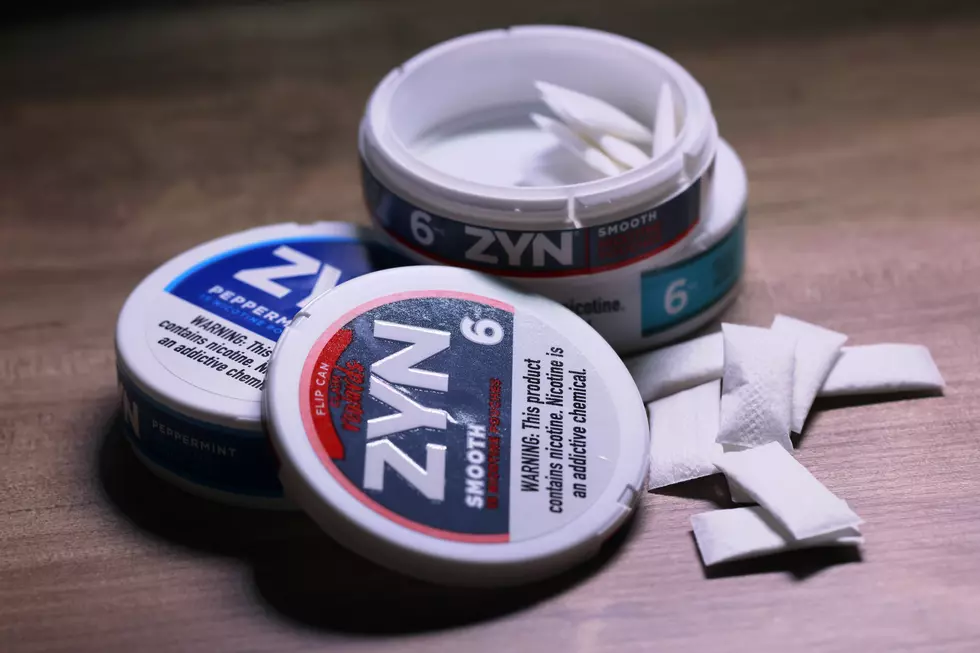
The definition covers tobacco-free nicotine pouches such as ZYN.
Beginning September 1, these products will be subject to New York's tobacco products tax at 75% of the wholesale price, generally payable by distributors.
Wholesale price is generally based on the price at which tobacco products are sold to a distributor before discounts, trade allowances, rebates or other reductions, including federal excise taxes paid by the seller.
The 75% rate therefore does not mean consumers will automatically see a 75% increase in the retail price of nicotine pouches.
The extent to which the additional tax cost is passed through to consumers will depend on wholesale prices and pricing decisions across the supply chain. New York's official guidance does not provide post-tax retail price estimates for specific brands such as ZYN.
August 31 Inventory Also Subject to Floor Tax
The tax change does not apply only to products acquired after September 1.
Distributors, wholesale dealers and retail dealers must conduct a physical inventory of all alternative nicotine products in their possession at 11:59 p.m. on August 31, 2026.
Businesses must then file the required floor tax return and pay a tax equal to 75% of the wholesale price by September 21.
For purposes of the floor tax, retail dealers may use 50% of the selling price, excluding sales tax, as the wholesale price.
Products held in vending machines are also included. Businesses operating multiple locations must report inventory at each location as part of a consolidated filing.
The requirement means products purchased before September 1 will still generate a tax liability if they remain in inventory at the end of August 31.
Nicotine Pouches and Vapes Face Different Tax Systems
The new 75% wholesale-price tax on alternative nicotine products does not include vapor products.
That exclusion does not mean vapor products are untaxed in New York. The state already operates a separate tax regime for the category.
Since December 1, 2019, New York has imposed a 20% supplemental sales tax on the retail sale of vapor products. Registered vapor-products dealers collect the tax at the point of sale.
The main differences are:
Product Category | New York Tax Rate | Tax Base | Main Collection/Payment Stage |
Vapor products | 20% | Retail price | Collected by the retail dealer at sale |
Alternative nicotine products, including nicotine pouches | 75% | Wholesale price | Generally paid by distributors |
Alternative nicotine products held on August 31 | 75% | Wholesale price, with a specific floor-tax calculation available to retailers | Existing inventory subject to floor tax |
New York's vapor-product definition generally covers noncombustible liquids or gels used in electronic cigarettes, electronic cigars, electronic pipes, vaping pens, hookah pens or similar devices, regardless of whether they contain nicotine.
The September tax change therefore does not impose a uniform 75% tax across all next-generation nicotine products. Instead, it brings nicotine pouches and other qualifying alternative nicotine products into the tobacco products tax system while vapor products remain under their existing retail tax framework.
Because the two tax rates use different tax bases, the 75% rate on nicotine pouches should not be characterized as 3.75 times the tax imposed on vapor products. Comparing the effective tax burden requires both the wholesale and retail prices of the products concerned.
New Licensing Requirements for the Supply Chain
The change also brings alternative nicotine products further into New York's existing tobacco distribution and retail compliance system.
Businesses importing or selling alternative nicotine products in New York must be appropriately licensed or registered as tobacco products distributors, wholesale dealers or retail dealers by September 1.
Businesses already licensed or registered with the state for tobacco products do not need to register again solely because they sell alternative nicotine products.
Businesses that fail to file the required floor tax return or pay the tax by the deadline may face interest as well as civil or criminal penalties.
For the industry, the change therefore goes beyond a higher tax on nicotine pouches. It brings the category further into New York's existing framework for tobacco taxation, licensing, inventory reporting and distribution compliance.
In the near term, businesses will need to address the August 31 inventory count and floor tax while recalculating costs for products supplied from September 1. How much of the 75% wholesale-price tax ultimately reaches consumers will depend on pricing decisions across the supply chain.
Follow 2Firsts for the latest developments in global tobacco and nicotine taxation, regulation and market trends.
Cover Image Source: 98.1 The Hawk
Disclaimer
This article is provided solely for professional research, industry discussion, and informational purposes. Any references to brands, companies, products, technologies, or policies are made for factual reporting and analytical purposes only, and do not constitute endorsement, recommendation, promotion, or advertising by 2Firsts.
Nicotine-containing products, including but not limited to cigarettes, e-cigarettes, heated tobacco products, and nicotine pouches, carry significant health risks. Readers are responsible for complying with all applicable laws and regulations in their respective jurisdictions, including age restrictions and access limitations.
The information contained in this article should not be regarded as investment, legal, medical, regulatory, or commercial advice. While 2Firsts strives to ensure the accuracy and reliability of its content, it does not assume liability for any direct or indirect loss arising from errors, omissions, inaccuracies, or reliance on the information contained herein.
This article is not intended for individuals below the legal age for accessing tobacco or nicotine-related information in their jurisdiction.
Copyright Notice
This article is either original content produced by 2Firsts or content reproduced, translated, summarized, or adapted from third-party sources with attribution where applicable. The intellectual property rights of the original content remain with 2Firsts or the respective original rights holders.
No individual or organization may copy, reproduce, distribute, republish, modify, translate, or otherwise use this content without prior authorization. Any unauthorized use may result in legal action.
For copyright-related inquiries, corrections, or removal requests, please contact: info@2firsts.com.
AI-Assisted Translation and Editing Notice
Portions of this article may have been translated, edited, or reviewed with the assistance of artificial intelligence tools to improve efficiency and readability. Due to the limitations of AI-assisted translation and editing, discrepancies, omissions, or inaccuracies may exist when compared with the original source.
Where applicable, readers are advised to refer to the original source for the most complete and accurate information. If you identify any errors or believe that any content infringes upon your rights, please contact us at info@2firsts.com, and we will review and address the matter promptly.