Key Points
- PMI says smoke-free users reached about 43 million.
- Nearly 70% have stopped using cigarettes.
- Smoke-free products make up about 43% of revenue.
- Sweden’s low smoking rate was a key focus.
2Firsts
June 18, 2026 — According to Daily Tribune, Tommaso Di Giovanni, vice president of communications and engagement at Philip Morris International (PMI), said at the recent “Technovation: Smoke-Free by Philip Morris International” event in Stockholm, Sweden, that about 43 million adult PMI consumers now use the company’s smoke-free alternatives.
Di Giovanni said PMI has invested more than US$16 billion in smoke-free innovation since 2008, developing and commercializing products including IQOS heated tobacco products, ZYN nicotine pouches and VEEV vaping devices. He said more than 43 million adults worldwide use these products, and nearly 70% have stopped using cigarettes.
Di Giovanni also said PMI’s smoke-free products are present in 106 markets in 2026, with 43 million users, and that smoke-free products account for about 43% of the company’s net revenues. PMI’s official first-quarter 2026 materials show that, as of Q1 2026, its smoke-free products were available in 108 markets and that the smoke-free business accounted for 43% of total net revenues. The two figures differ slightly on market count, but both indicate that smoke-free products have become a core part of PMI’s revenue structure.
Di Giovanni said PMI remains committed to becoming a smoke-free company. He said cigarettes are being left behind inside the company and that PMI is happy about that, but added that more than 1 billion people worldwide still smoke, leaving significant work for the company, governments and society.
The Stockholm event also discussed Sweden’s sharp decline in cigarette use. Participants examined how science, innovation and consumer choice could accelerate the shift away from cigarettes, presenting Sweden as a case study in policy and market acceptance of smoke-free alternatives.
The report, citing event information, said Sweden’s smoking rate has fallen to 5.4%, compared with the European Union average of about 23%. Discussions at the event linked Sweden’s lower smoking rate to the country’s long-standing acceptance of smoke-free alternatives, including snus, nicotine pouches and other non-combustible nicotine products.
PMI has described Sweden in related background materials as a case study in tobacco harm reduction and smoke-free alternatives. The company argues that Sweden’s experience shows cigarette use can fall faster when policy aligns with consumer behavior and preferences.
However, interpretations of the Swedish model remain contested in public health. Supporters generally argue that alternatives such as snus, nicotine pouches and vapes increase the likelihood that adult smokers will move away from combustible products. Critics and some tobacco-control groups warn that nicotine product diversification can sustain nicotine dependence and raise concerns over youth use and marketing.
From a corporate strategy perspective, PMI has increasingly positioned IQOS, ZYN and VEEV as the core of its smoke-free growth. IQOS is its heated tobacco platform, ZYN is the nicotine pouch brand brought into PMI through its acquisition of Swedish Match, and VEEV is its vaping product line. PMI groups these products within its smoke-free portfolio as part of its effort to shift revenue from traditional cigarettes to non-combustible products.
PMI public materials show the company has invested more than US$16 billion since 2008 to develop, scientifically substantiate and commercialize smoke-free products. The scale of that investment reflects how major multinational tobacco companies are using capital, research and market channels to reshape their nicotine product portfolios.
For the global tobacco and nicotine industry, PMI’s reported 43 million user base and 43% net revenue share show that smoke-free products are no longer a secondary business, but a central part of growth and valuation narratives for major tobacco companies. At the same time, regulatory and public health scrutiny over product risk, marketing boundaries, youth protection and long-term health effects will continue.
The core information in the Daily Tribune report comes from remarks by a PMI executive at a company event. The figures reflect PMI’s official narrative of its smoke-free transformation, but they should not be read as an independent regulatory endorsement of the risk profile or public health impact of all smoke-free products.
Follow 2Firsts for the latest updates on global tobacco harm reduction, nicotine products and regulatory developments.
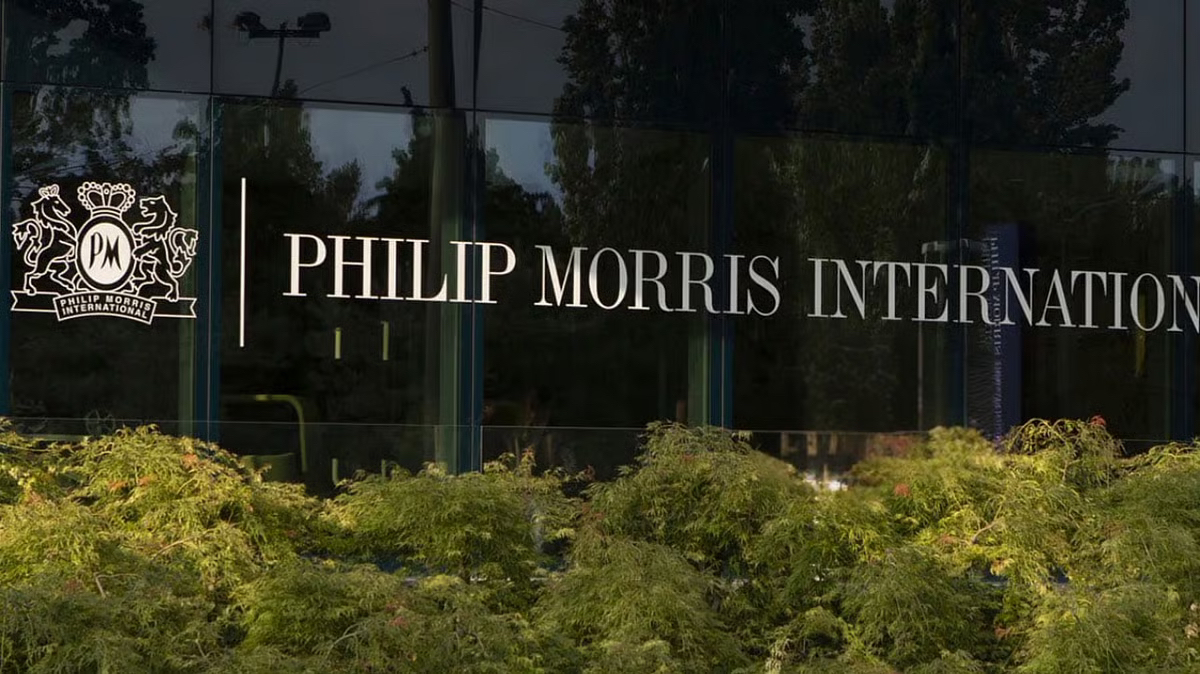
Cover image:Daily Tribune
Disclaimer
This article is provided solely for professional research, industry discussion, and informational purposes. Any references to brands, companies, products, technologies, or policies are made for factual reporting and analytical purposes only, and do not constitute endorsement, recommendation, promotion, or advertising by 2Firsts.
Nicotine-containing products, including but not limited to cigarettes, e-cigarettes, heated tobacco products, and nicotine pouches, carry significant health risks. Readers are responsible for complying with all applicable laws and regulations in their respective jurisdictions, including age restrictions and access limitations.
The information contained in this article should not be regarded as investment, legal, medical, regulatory, or commercial advice. While 2Firsts strives to ensure the accuracy and reliability of its content, it does not assume liability for any direct or indirect loss arising from errors, omissions, inaccuracies, or reliance on the information contained herein.
This article is not intended for individuals below the legal age for accessing tobacco or nicotine-related information in their jurisdiction.
Copyright Notice
This article is either original content produced by 2Firsts or content reproduced, translated, summarized, or adapted from third-party sources with attribution where applicable. The intellectual property rights of the original content remain with 2Firsts or the respective original rights holders.
No individual or organization may copy, reproduce, distribute, republish, modify, translate, or otherwise use this content without prior authorization. Any unauthorized use may result in legal action.
For copyright-related inquiries, corrections, or removal requests, please contact: info@2firsts.com.
AI-Assisted Translation and Editing Notice
Portions of this article may have been translated, edited, or reviewed with the assistance of artificial intelligence tools to improve efficiency and readability. Due to the limitations of AI-assisted translation and editing, discrepancies, omissions, or inaccuracies may exist when compared with the original source.
Where applicable, readers are advised to refer to the original source for the most complete and accurate information. If you identify any errors or believe that any content infringes upon your rights, please contact us at info@2firsts.com, and we will review and address the matter promptly.