Key Points
- Northerner’s FOI analysis found more than 1.3 million illegal or non-compliant vape products seized after the disposable vape ban.
- Bolton Metropolitan Borough Council recorded the highest number of seizures at 250,023.
- Hull City Council ranked second with 204,252 seized products.
- Swansea Council recorded the highest estimated seizure value at £470,000.
- Data covers June 1, 2025 to May 31, 2026.
- Figures are based on local authority FOI responses rather than official national statistics.
2Firsts
July 21, 2026
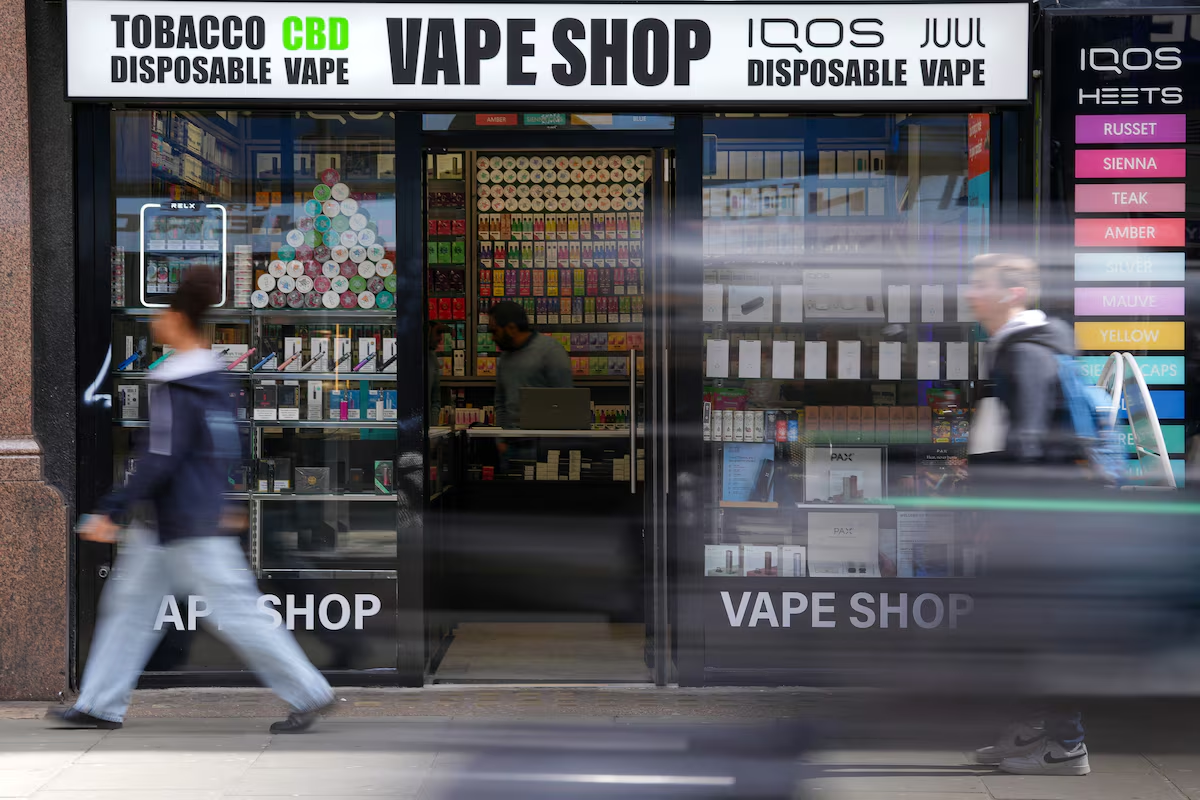
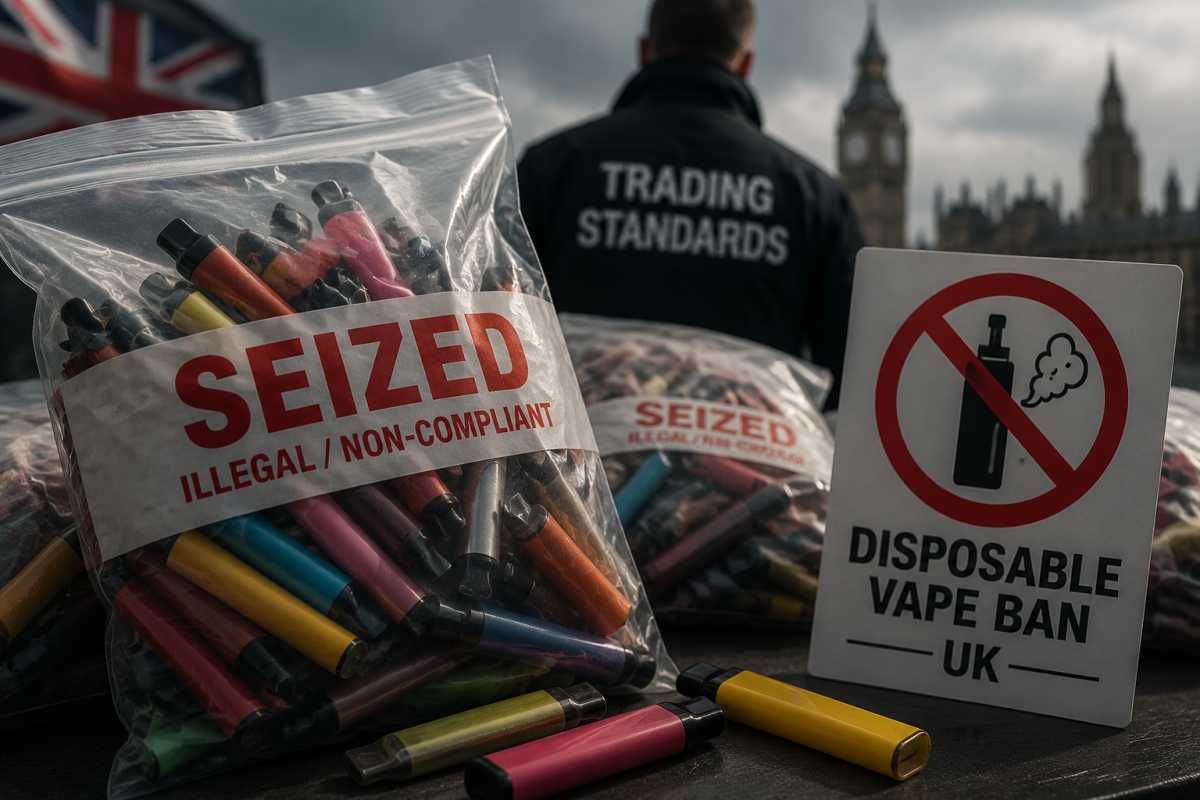
One year after the UK disposable vape ban came into force, local authorities and trading standards teams continue to seize illegal and non-compliant vaping products.
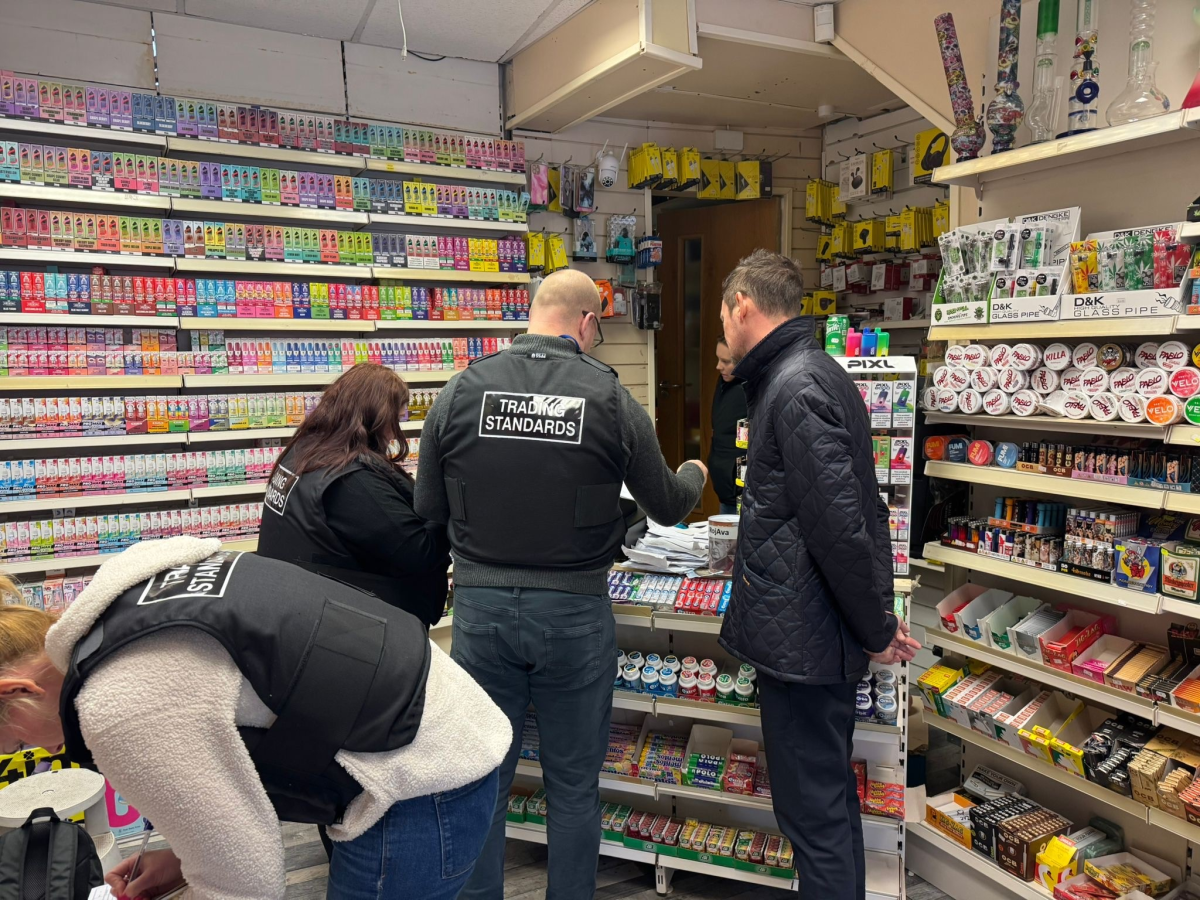
According to FOI data collected and analysed by nicotine retailer Northerner, UK councils reported more than 1.3 million vape products seized between June 1, 2025 and May 31, 2026 because they were considered illegal, non-compliant, prohibited or in breach of regulations.
The data was collected through FOI requests submitted by Northerner to UK local authorities and includes seizure volumes, estimated values and regional enforcement patterns.
Bolton and Hull Recorded Highest Seizure Volumes
The councils with the highest number of seized products included:
Rank | Council | Seized Items |
1 | Bolton Metropolitan Borough Council | 250,023 |
2 | Hull City Council | 204,252 |
3 | Ealing Borough Council | 86,203 |
4 | Rochdale Metropolitan Borough Council | 76,109 |
5 | Hillingdon Borough Council | 74,458 |
6 | Swansea Council | 47,200 |
7 | Oldham Metropolitan Borough Council | 39,880 |
8 | Medway Council | 29,004 |
9 | Hertfordshire County Council | 26,891 |
10 | Walsall Metropolitan Borough Council | 24,332 |
Bolton Metropolitan Borough Council ranked first with 250,023 seized products.
The data showed that Bolton recorded particularly high seizures in some months, including 216,205 products seized in March 2026.
Hull City Council ranked second with 204,252 seized items, reporting consistently high seizure levels between June and December 2025.
Ealing Borough Council ranked third with 86,203 seized products, although most seizures occurred in February 2026, when 84,250 products were confiscated.
Swansea Recorded Highest Seizure Value
The ranking changes when measured by estimated product value.
Rank | Council | Estimated Value |
1 | Swansea Council | £470,000 |
2 | Westminster City Council | £201,687.90 |
3 | Manchester City Council | £185,250 |
4 | Medway Council | £145,020 |
5 | Liverpool City Council | £135,538 |
6 | Nottinghamshire County Council | £132,484 |
7 | Portsmouth City Council | £120,104 |
8 | Oldham Metropolitan Borough Council | £119,640 |
9 | Kent County Council | £104,808 |
10 | London Borough of Hackney | £100,677.60 |
Swansea Council ranked first with an estimated £470,000 worth of seized products.
The council reported 47,200 seized vape products during the period, with seizures mainly coming from vape shops and convenience stores.
Manchester City Council ranked third, with an estimated £185,250 worth of seized products from convenience stores, grocery shops and mobile phone stores.
Data Highlights Continued Availability of Non-Compliant Products
The UK disposable vape ban came into force in June 2025, restricting the sale of disposable vaping products as part of efforts to reduce waste and youth access.
The FOI data indicates that large numbers of non-compliant products continued to be identified after the ban.
However, because the figures are based on individual local authority FOI responses, differences in reporting methods, enforcement resources and classification standards mean they should not be interpreted as a complete measurement of the UK illicit vape market.
Northerner Calls for Stronger Enforcement
Marina Murphy, senior director of external affairs UK and scientific affairs at Northerner, said continued availability of illicit products shows that restrictions alone are insufficient without stronger enforcement.
She argued that weak enforcement could allow supply to shift from regulated businesses toward illegal channels.
Murphy also suggested that the UK could consider elements of the Dutch Bibob model, which allows authorities to conduct enhanced background checks on licence applicants seeking to sell tobacco or nicotine products.
The proposal reflects Northerner’s policy position and does not represent current UK government policy.
UK Vape Regulation Moves Into Enforcement Phase
The data highlights how UK vape regulation is moving from policy development into enforcement implementation.
While the disposable vape ban addressed a specific product category, local authorities now face challenges including identifying non-compliant products, tracing supply chains and monitoring online sales.
For the vaping industry, future compliance will depend not only on product standards but also on import controls, retail licensing, age verification and supply-chain transparency.
How effectively the UK coordinates local enforcement and whether illicit product availability declines over time will become key indicators of the ban’s impact.
Follow 2Firsts for the latest updates on global tobacco harm reduction, nicotine products and regulatory developments.
Cover Image generated by AI
Disclaimer
This article is provided solely for professional research, industry discussion, and informational purposes. Any references to brands, companies, products, technologies, or policies are made for factual reporting and analytical purposes only, and do not constitute endorsement, recommendation, promotion, or advertising by 2Firsts.
Nicotine-containing products, including but not limited to cigarettes, e-cigarettes, heated tobacco products, and nicotine pouches, carry significant health risks. Readers are responsible for complying with all applicable laws and regulations in their respective jurisdictions, including age restrictions and access limitations.
The information contained in this article should not be regarded as investment, legal, medical, regulatory, or commercial advice. While 2Firsts strives to ensure the accuracy and reliability of its content, it does not assume liability for any direct or indirect loss arising from errors, omissions, inaccuracies, or reliance on the information contained herein.
This article is not intended for individuals below the legal age for accessing tobacco or nicotine-related information in their jurisdiction.
Copyright Notice
This article is either original content produced by 2Firsts or content reproduced, translated, summarized, or adapted from third-party sources with attribution where applicable. The intellectual property rights of the original content remain with 2Firsts or the respective original rights holders.
No individual or organization may copy, reproduce, distribute, republish, modify, translate, or otherwise use this content without prior authorization. Any unauthorized use may result in legal action.
For copyright-related inquiries, corrections, or removal requests, please contact: info@2firsts.com.
AI-Assisted Translation and Editing Notice
Portions of this article may have been translated, edited, or reviewed with the assistance of artificial intelligence tools to improve efficiency and readability. Due to the limitations of AI-assisted translation and editing, discrepancies, omissions, or inaccuracies may exist when compared with the original source.
Where applicable, readers are advised to refer to the original source for the most complete and accurate information. If you identify any errors or believe that any content infringes upon your rights, please contact us at info@2firsts.com, and we will review and address the matter promptly.