Key Points
- ITM Semiconductor reported first-half 2026 revenue of 135.65 billion won, up 10.7% year on year, while operating losses continued at 10.13 billion won.
- The company confirmed in April that Apple-related smartphone protection circuit transactions had ended and began restructuring its business portfolio.
- Vape-related revenue increased from 60.5 billion won to 75.5 billion won, up 24.8% year on year.
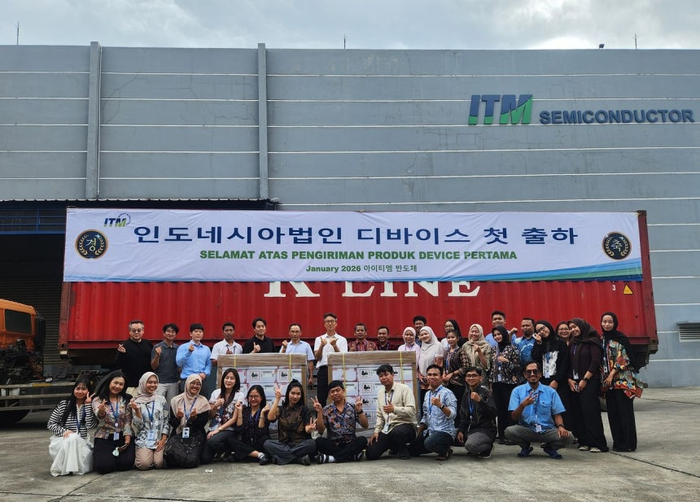
- ITM began mass production of vape devices at its Cikarang, Indonesia facility in January 2026.
- Samsung-related protection circuit sales rose 31.9%, maintaining the company’s position in the smartphone supply chain.
2Firsts
August 20, 2026
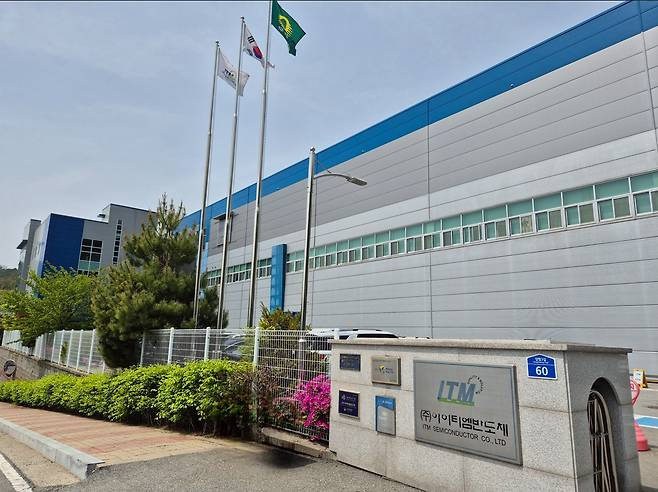
South Korean electronics component supplier ITM Semiconductor is reshaping its business portfolio after pressure on its Apple-related protection circuit business, with vape device and cartridge supply to KT&G emerging as a new growth driver.
According to South Korean media outlet News1 on August 18, 2026, ITM Semiconductor recorded first-half revenue of 135.65 billion won, up 10.7% from the previous year. Operating losses continued at 10.13 billion won.
The company confirmed in April that transactions related to Apple smartphone protection circuit business had ended and began restructuring its portfolio around profitability.
During this transition, its vape-related business has become an increasingly important growth area.
ITM Shifts Beyond Apple-Related Component Supply
ITM Semiconductor has historically operated as an electronics component supplier serving smartphone supply chains, including providing battery protection circuit products related to Apple and Samsung Electronics devices.
One of its key products is the Protection Module Package (PMP), which is positioned as offering advantages over traditional PCM solutions in areas including miniaturisation, space efficiency, heat management and reliability.
Following changes in Apple-related protection circuit business, ITM began reducing reliance on a single smartphone-related customer base and expanding into new sectors.
However, the company has not exited the smartphone supply chain.
Samsung-related protection circuit sales continued to grow, reaching 41.8 billion won in the first half of 2026, up 31.9% from 31.7 billion won a year earlier.
KT&G Vape Supply Business Becomes New Growth Driver
As ITM adjusted its traditional electronics business, its vape-related operations expanded rapidly.
Vape business revenue increased from 60.5 billion won in the first half of 2025 to 75.5 billion won in the first half of 2026, representing 24.8% growth.
ITM supplies KT&G with vape devices and liquid cartridges.
As KT&G continues expanding its next-generation nicotine product portfolio, demand for related devices and cartridge supply could provide further opportunities for ITM.
The growth also reflects ITM’s earlier investment in manufacturing capacity.
In January 2026, ITM’s Cikarang production facility in Indonesia began mass production of vape devices, strengthening its ability to supply export markets.
The Indonesian facility provides additional manufacturing capacity for vape devices and related products, supporting the company’s expansion in the category.
South Korea Builds New Vape Supply Chain Capacity
ITM Semiconductor’s transition reflects a broader move among South Korean manufacturing companies toward new nicotine-product supply chains.
Unlike traditional consumer electronics components, vape manufacturing requires a combination of hardware production, precision components and scaled supply capabilities.
For companies such as KT&G developing their own nicotine-product brands, reliable domestic suppliers can support product development and supply stability.
For ITM, vape business expansion provides a new growth path and reduces dependence on cycles within the smartphone component market.
However, vape revenue remains insufficient to fully replace the scale of its smartphone-related business, leaving profitability improvement and portfolio optimisation as ongoing challenges.
From Electronics Supplier to Diversified Manufacturer
ITM Semiconductor’s strategy reflects how South Korean manufacturers are responding to changes in customer demand.
While the company historically relied heavily on smartphone-related components, it is now expanding into areas including robotics, humanoid technology, defence and vape-related manufacturing.
The company said it will focus on improving cost efficiency and profitability while continuing to develop future growth businesses.
For the global nicotine industry, ITM’s case shows that the expansion of new nicotine products is creating opportunities not only for brands but also for upstream manufacturing suppliers.
As companies such as KT&G expand their next-generation nicotine businesses, the role of device, cartridge and component suppliers may become increasingly important.
Follow 2Firsts for the latest updates on global tobacco and nicotine markets, supply chains and regulatory developments.
Cover Image source: News1 Korea
Disclaimer
This article is provided solely for professional research, industry discussion, and informational purposes. Any references to brands, companies, products, technologies, or policies are made for factual reporting and analytical purposes only, and do not constitute endorsement, recommendation, promotion, or advertising by 2Firsts.
Nicotine-containing products, including but not limited to cigarettes, e-cigarettes, heated tobacco products, and nicotine pouches, carry significant health risks. Readers are responsible for complying with all applicable laws and regulations in their respective jurisdictions, including age restrictions and access limitations.
The information contained in this article should not be regarded as investment, legal, medical, regulatory, or commercial advice. While 2Firsts strives to ensure the accuracy and reliability of its content, it does not assume liability for any direct or indirect loss arising from errors, omissions, inaccuracies, or reliance on the information contained herein.
This article is not intended for individuals below the legal age for accessing tobacco or nicotine-related information in their jurisdiction.
Copyright Notice
This article is either original content produced by 2Firsts or content reproduced, translated, summarized, or adapted from third-party sources with attribution where applicable. The intellectual property rights of the original content remain with 2Firsts or the respective original rights holders.
No individual or organization may copy, reproduce, distribute, republish, modify, translate, or otherwise use this content without prior authorization. Any unauthorized use may result in legal action.
For copyright-related inquiries, corrections, or removal requests, please contact: info@2firsts.com.
AI-Assisted Translation and Editing Notice
Portions of this article may have been translated, edited, or reviewed with the assistance of artificial intelligence tools to improve efficiency and readability. Due to the limitations of AI-assisted translation and editing, discrepancies, omissions, or inaccuracies may exist when compared with the original source.
Where applicable, readers are advised to refer to the original source for the most complete and accurate information. If you identify any errors or believe that any content infringes upon your rights, please contact us at info@2firsts.com, and we will review and address the matter promptly.