Key Points
- Ploom AURA officially launched in South Korea on April 14, 2026, marking JTI's third major push into the country's heated tobacco market.
- The limited Ploom AURA First Edition required an additional release after the initial allocation sold out, while the Glacier White limited edition launched in June also sold out quickly.
- JTI has expanded distribution across Seoul, Incheon and 28 cities in Gyeonggi Province, as well as duty-free locations at Incheon and Gimpo international airports, but has not yet rolled the product out nationwide.
- JT Group plans to invest approximately ¥800 billion, or about $5 billion, in RRP between 2026 and 2028, prioritizing heated tobacco and Ploom.
- The group aims to lift its share in key global heated tobacco markets to around the mid-teens by 2028.
- South Korea remains a difficult market to penetrate because KT&G's lil and PMI's IQOS have established strong device-and-consumable ecosystems.
2Firsts
August 14, 2026
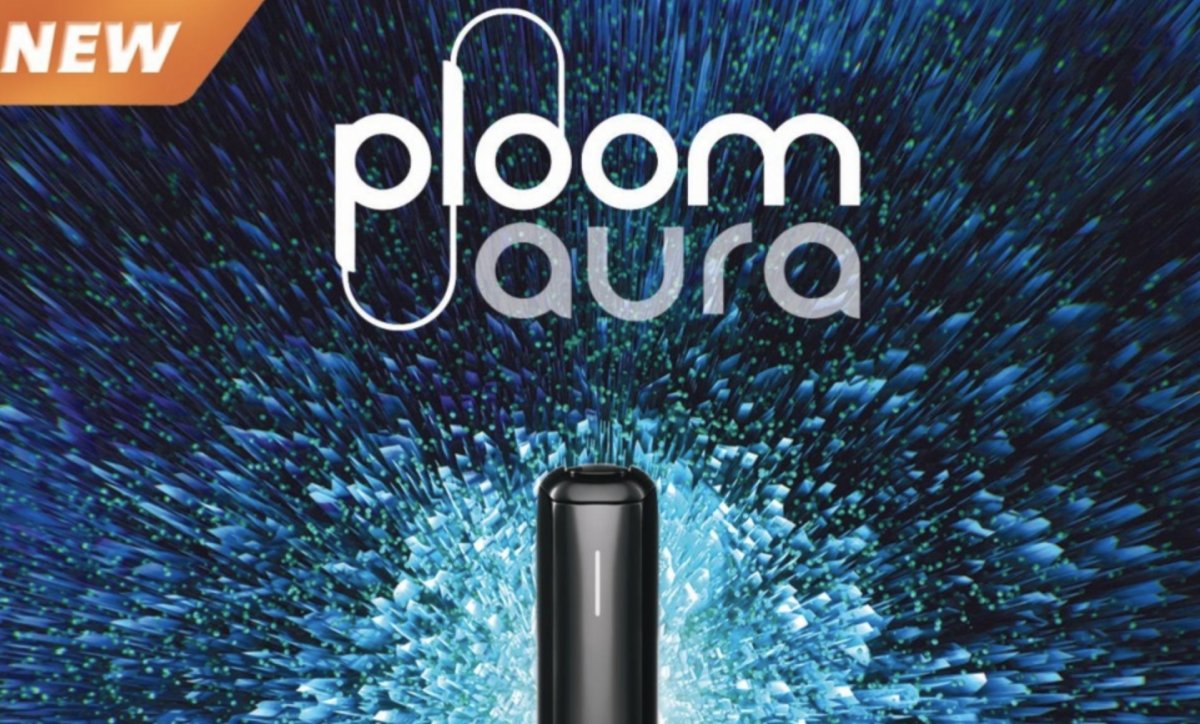
Japan Tobacco International (JTI) is expanding its South Korean heated tobacco business around its next-generation Ploom AURA device, with limited releases selling out and the company widening its device and EVO consumables distribution since the product's April launch, according to an Aug. 11, 2026, report by South Korean outlet Insight Korea.
Ploom AURA represents JTI's third major attempt in recent years to strengthen its position in South Korea's heated tobacco market. The push comes as JT Group makes heated products a central part of its reduced-risk product strategy, with plans to invest approximately ¥800 billion, or about $5 billion, between 2026 and 2028.
Ploom AURA Expands Distribution and EVO Portfolio
JTI Korea unveiled Ploom AURA in Seoul on March 31 and officially launched the device in South Korea on April 14. A limited Ploom AURA First Edition went on presale through the company's website from April 7.
According to Insight Korea, the initial First Edition allocation sold out, prompting JTI to open a second batch. The Glacier White limited-edition device introduced in June also sold out within a short period.
Ploom AURA uses JTI's Smart HeatFlow technology and offers four heating modes. The device removes conventional buttons and a display, with functions including battery-status checks, device location and locking available through a dedicated app.
JTI is also expanding its EVO consumables portfolio in South Korea. Following EVO Amber, the company has added products including EVO Yellow Option and EVO Tan.
Distribution remains regional rather than nationwide. JTI began sales at duty-free shops at Incheon International Airport and Gimpo International Airport in May before expanding offline availability across Seoul, Incheon and 28 cities in Gyeonggi Province.
The company said further geographic expansion would be considered based on market conditions, consumer demand and its internal business strategy.
JTI Makes a Third Major South Korea Attempt
Ploom AURA is not JTI's first attempt to establish a larger presence in South Korea's heated tobacco category.
The company entered the market with the hybrid Ploom TECH platform in 2019 before withdrawing. It returned with Ploom X Advanced in 2024, but the product did not substantially alter a market already dominated by larger competing ecosystems.
Ploom AURA therefore represents JTI's third major push in the category.
JTI Korea says its earlier market experience reinforced how demanding South Korean consumers are in areas including taste, design and convenience, with those insights influencing the development and positioning of Ploom AURA.
The company has also described South Korea as an important market within the wider global Ploom strategy. JTI Korea President Irina Lee said earlier this year that South Korea was "a very important market" for JTI and that the Ploom AURA launch would play a meaningful role in the group's long-term growth and RRP ambitions.
South Korea's relevance also reflects the expansion of heated tobacco within the country's broader tobacco market. Heated tobacco's share of total tobacco sales rose from 2.2% in 2017 to 18.4% in 2024, according to figures cited in the Korean report.
¥800 Billion Investment Puts Heated Tobacco at Center of RRP Strategy
The South Korean push comes as JT Group sharply increases resources behind RRP.
JT Group plans to invest approximately ¥800 billion between 2026 and 2028, or roughly $5 billion, in reduced-risk products. Most of the investment is expected to support sales promotion, with additional resources directed to research and development and capital expenditure.
Heated Products and the Ploom brand have been identified as the group's primary RRP investment focus, while JTI is taking a more selective approach to categories including E-Vapor and Modern Oral.
JTI is targeting a share in the mid-teens across key global heated tobacco markets by 2028, with Ploom AURA's international expansion central to that goal.
Ploom AURA was first introduced in Japan in 2025 before expanding to additional international markets. JTI said the platform had reached a 13.6% share of Japan's heated tobacco segment by the end of July 2026 and plans to continue expanding its global footprint.
JT's first-quarter 2026 results showed RRP volume growth of 44.2%, including a 57% increase in Ploom volume. The group continued to report share gains for Ploom in heated tobacco during the first half of the year.
High Switching Barriers Remain in South Korea
Ploom AURA faces a challenging competitive structure in South Korea, where established device ecosystems already have strong positions.
KT&G's lil and Philip Morris International's IQOS are the two major brands in the local heated tobacco category. KT&G most recently reported a South Korean heated tobacco market share of around 48% in the second quarter of 2026.
Importantly, the 67.9% figure cited by Insight Korea refers to KT&G's share of South Korea's combustible cigarette market, not its heated tobacco share. It should therefore not be used to describe JTI's competitive position in heated tobacco.
The distinction matters because heated tobacco systems generally require consumers to continue purchasing consumables compatible with a particular device, creating relatively high switching barriers once a user is established within an ecosystem.
JTI Korea has not disclosed a specific South Korean market-share target for Ploom or how much of JT Group's ¥800 billion RRP investment will be allocated specifically to the country.
Ploom AURA's early sellouts therefore indicate initial demand but do not yet demonstrate sustained share gains. Its longer-term performance will depend on wider geographic distribution, expansion of the EVO consumables range and JTI's ability to attract consumers from established lil and IQOS ecosystems.
As JT Group makes Ploom one of its primary RRP investment priorities for the next three years, South Korea will provide an important test of whether the momentum Ploom AURA has built in Japan can be translated into stronger performance in a mature overseas heated tobacco market.
Follow 2Firsts for the latest developments in global nicotine companies, business strategies and market movements.
Cover Image source: insightkore

Disclaimer
This article is provided solely for professional research, industry discussion, and informational purposes. Any references to brands, companies, products, technologies, or policies are made for factual reporting and analytical purposes only, and do not constitute endorsement, recommendation, promotion, or advertising by 2Firsts.
Nicotine-containing products, including but not limited to cigarettes, e-cigarettes, heated tobacco products, and nicotine pouches, carry significant health risks. Readers are responsible for complying with all applicable laws and regulations in their respective jurisdictions, including age restrictions and access limitations.
The information contained in this article should not be regarded as investment, legal, medical, regulatory, or commercial advice. While 2Firsts strives to ensure the accuracy and reliability of its content, it does not assume liability for any direct or indirect loss arising from errors, omissions, inaccuracies, or reliance on the information contained herein.
This article is not intended for individuals below the legal age for accessing tobacco or nicotine-related information in their jurisdiction.
Copyright Notice
This article is either original content produced by 2Firsts or content reproduced, translated, summarized, or adapted from third-party sources with attribution where applicable. The intellectual property rights of the original content remain with 2Firsts or the respective original rights holders.
No individual or organization may copy, reproduce, distribute, republish, modify, translate, or otherwise use this content without prior authorization. Any unauthorized use may result in legal action.
For copyright-related inquiries, corrections, or removal requests, please contact: info@2firsts.com.
AI-Assisted Translation and Editing Notice
Portions of this article may have been translated, edited, or reviewed with the assistance of artificial intelligence tools to improve efficiency and readability. Due to the limitations of AI-assisted translation and editing, discrepancies, omissions, or inaccuracies may exist when compared with the original source.
Where applicable, readers are advised to refer to the original source for the most complete and accurate information. If you identify any errors or believe that any content infringes upon your rights, please contact us at info@2firsts.com, and we will review and address the matter promptly.