An advisor said that promoting e-cigarettes and their products to young people has raised concerns that the tobacco industry is attempting to "create a new generation of nicotine-addicted youth.
Professor Des Cox, pediatric respiratory consultant at CHI Crumlin, has stated that "tobacco control legislation needs to firmly return to the map in Ireland" to avoid the long-term effects of nicotine product use.
Professor Cox, who is also the Chair of the Royal College of Physicians Tobacco Policy Group, welcomes the government's plan to ban the sale of these products to children under 18, but adds that legislation "should have been implemented a few years ago.
Earlier this week, the cabinet approved measures targeting e-cigarettes and vapes, aimed at restricting the sale and advertising of such products.
Professor Cox said, "This legislation has been brewing for many years and should have been implemented sooner." However, he added that while it is a positive step, the RCPI group believes that these changes "could have gone further.
Our team has been advocating for years to ban the sale of flavorings in e-cigarette liquids.
If smokers want to quit, using e-cigarettes is an option that can help them continue to do so. However, it is important to note that this should not be used as a means to attract teenagers into the market. Studies have shown that the flavors of e-cigarettes are one of the main reasons why young people use these products," said Professor Cox.
In reference to young people, he further stated that many of them are exposed to advertisements for e-cigarettes and e-cigarette products on social media platforms such as TikTok, which should be seen as another area that policymakers should seek to address.
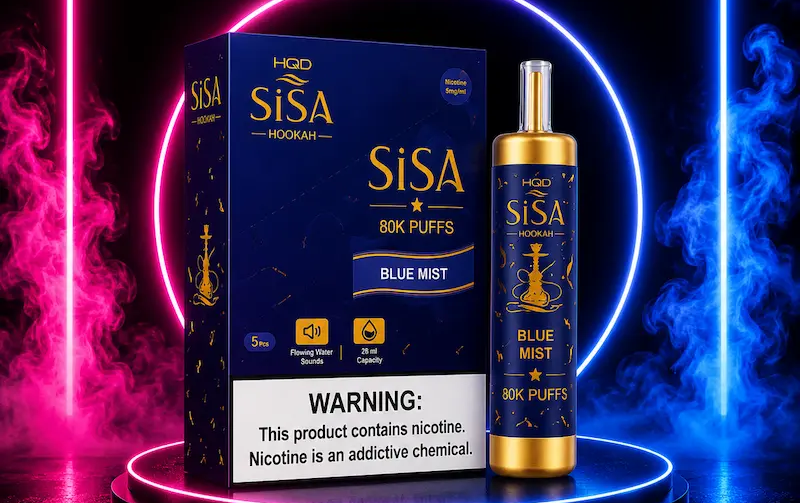
Products that are increasingly popular among young people include disposable e-cigarettes, such as brands like Puff Bar.
Professor Cox has pointed out that the recent ASH (Action on Smoking and Health) study carried out in the UK has found that the number of teenagers who use disposable e-cigarettes has increased sevenfold in the space of a year.
Professor Cox warns, "This is an increasingly serious new problem that we need to address.
The popularity of these products among teenagers has raised significant concerns due to the impact nicotine can have on still-developing brains and lungs.
From a neurological perspective, it is known that these products can affect the cognitive behavior of adolescents. From a pulmonary perspective, there is empirical evidence showing that inhaling these products can lead to inflammation and irritation of the lungs and airways.
The issue is that these products are being marketed as entertainment products to young adults and non-smokers.
Although Professor Cox acknowledges that the harm caused by electronic cigarettes is less than that of regular cigarettes, he states that "as a group, our concern is that we don't know the long-term effects of electronic cigarettes and frequent use of these products is most likely to cause some damage to your lungs.
For individuals who are trying to quit smoking, using e-cigarettes is definitely better than smoking traditional cigarettes. However, the issue lies in the fact that these products are being marketed as a form of entertainment to young people and non-smokers.
This is the real issue at hand.
If these devices were only sold as smoking cessation or tobacco cessation tools, that would not be a problem for us. However, tobacco companies have made significant investments in e-cigarette companies and they are marketing these products to young people.
We are concerned that this will create a new generation of young people addicted to nicotine, which will have long-lasting and detrimental effects on their health.
Professor Cox emphasized that Ireland has a strong reputation globally for tobacco control, but since the introduction of groundbreaking measures such as workplace smoking bans in 2004, it seems to have fallen off the agenda.
He stated that Ireland needs to look at countries like New Zealand, which are currently at the forefront of tobacco control legislation, and reiterated the policy group's call for a ban on the sale of tobacco products to those under 21 years old.
In response to these calls, John Mallon, spokesperson for the smoker's rights advocacy group Forest Ireland, stated that raising the age of tobacco sales to 21 would make generation after generation of young people immature - a serious mistake.
If you have reached the age where you can join the military, drive a car, and buy alcohol, then you can make wise decisions about smoking.
Although Mr. Mallon has stated that restricting the sale of electronic cigarettes to those over the age of 18 "makes sense, as this policy is consistent with other potentially addictive products such as alcohol and tobacco," he also added that banning flavored electronic cigarettes and e-liquids would be a "serious mistake.
This will prevent many smokers from switching to less harmful products. It will also lead to unregulated flavored e-cigarettes being sold on the black market.
There is little to no evidence suggesting that e-cigarettes are a gateway to smoking, so it's important not to create unnecessary fear around this product. Mr. Mallon adds that e-cigarettes are not intended for use by teenagers, but rather by adults who are trying to quit smoking.
Statement:
This article is compiled from third-party information and is intended solely for industry exchange and learning purposes.
This article does not represent the views of 2FIRSTS and 2FIRSTS cannot confirm the truth or accuracy of the article's content. The translation of this article is for industry exchange and research purposes only.
Due to limitations in the competence level of the translator, the compiled article may not express the same meaning as the original text; please refer to the original text for accuracy.
Regarding any remarks or positions related to domestic issues, or Hong Kong, Macau, and Taiwan, as well as foreign affairs, 2FIRSTS is fully aligned with the Chinese government.
The copyright of compiled information belongs to the original media and author. If there is any infringement, please contact us for deletion.
Disclaimer
This article is provided solely for professional research, industry discussion, and informational purposes. Any references to brands, companies, products, technologies, or policies are made for factual reporting and analytical purposes only, and do not constitute endorsement, recommendation, promotion, or advertising by 2Firsts.
Nicotine-containing products, including but not limited to cigarettes, e-cigarettes, heated tobacco products, and nicotine pouches, carry significant health risks. Readers are responsible for complying with all applicable laws and regulations in their respective jurisdictions, including age restrictions and access limitations.
The information contained in this article should not be regarded as investment, legal, medical, regulatory, or commercial advice. While 2Firsts strives to ensure the accuracy and reliability of its content, it does not assume liability for any direct or indirect loss arising from errors, omissions, inaccuracies, or reliance on the information contained herein.
This article is not intended for individuals below the legal age for accessing tobacco or nicotine-related information in their jurisdiction.
Copyright Notice
This article is either original content produced by 2Firsts or content reproduced, translated, summarized, or adapted from third-party sources with attribution where applicable. The intellectual property rights of the original content remain with 2Firsts or the respective original rights holders.
No individual or organization may copy, reproduce, distribute, republish, modify, translate, or otherwise use this content without prior authorization. Any unauthorized use may result in legal action.
For copyright-related inquiries, corrections, or removal requests, please contact: info@2firsts.com.
AI-Assisted Translation and Editing Notice
Portions of this article may have been translated, edited, or reviewed with the assistance of artificial intelligence tools to improve efficiency and readability. Due to the limitations of AI-assisted translation and editing, discrepancies, omissions, or inaccuracies may exist when compared with the original source.
Where applicable, readers are advised to refer to the original source for the most complete and accurate information. If you identify any errors or believe that any content infringes upon your rights, please contact us at info@2firsts.com, and we will review and address the matter promptly.