Key Points
- German customs seized 115,800 untaxed e-cigarettes during four truck inspections, a record for the Magdeburg customs jurisdiction.
- The devices contained a combined 4.366 million mL of e-liquid, representing €1,397,120 in estimated tax revenue.
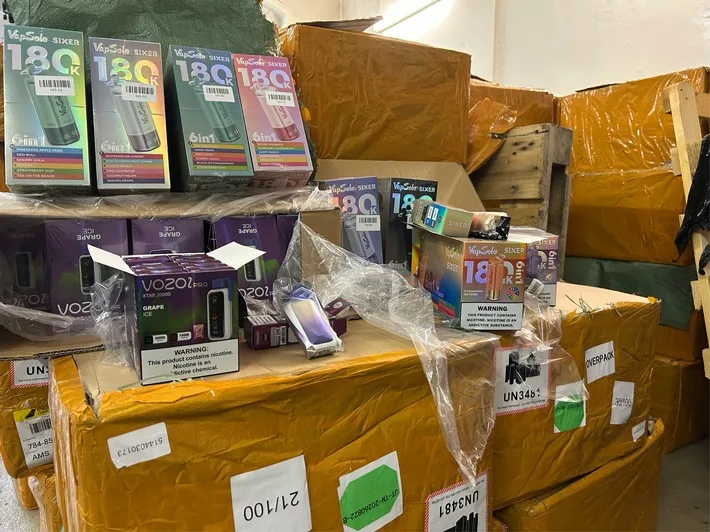
- VOZOL-branded packaging is visible in an official photograph of the August 28 seizure, which involved 44,000 vaping devices.
- The largest individual seizure involved 48,000 devices containing 2.16 million mL of e-liquid, with €691,200 in estimated tax losses.
- Criminal proceedings have been initiated against four truck drivers, one of whom was temporarily detained.
2Firsts
October 13, 2026
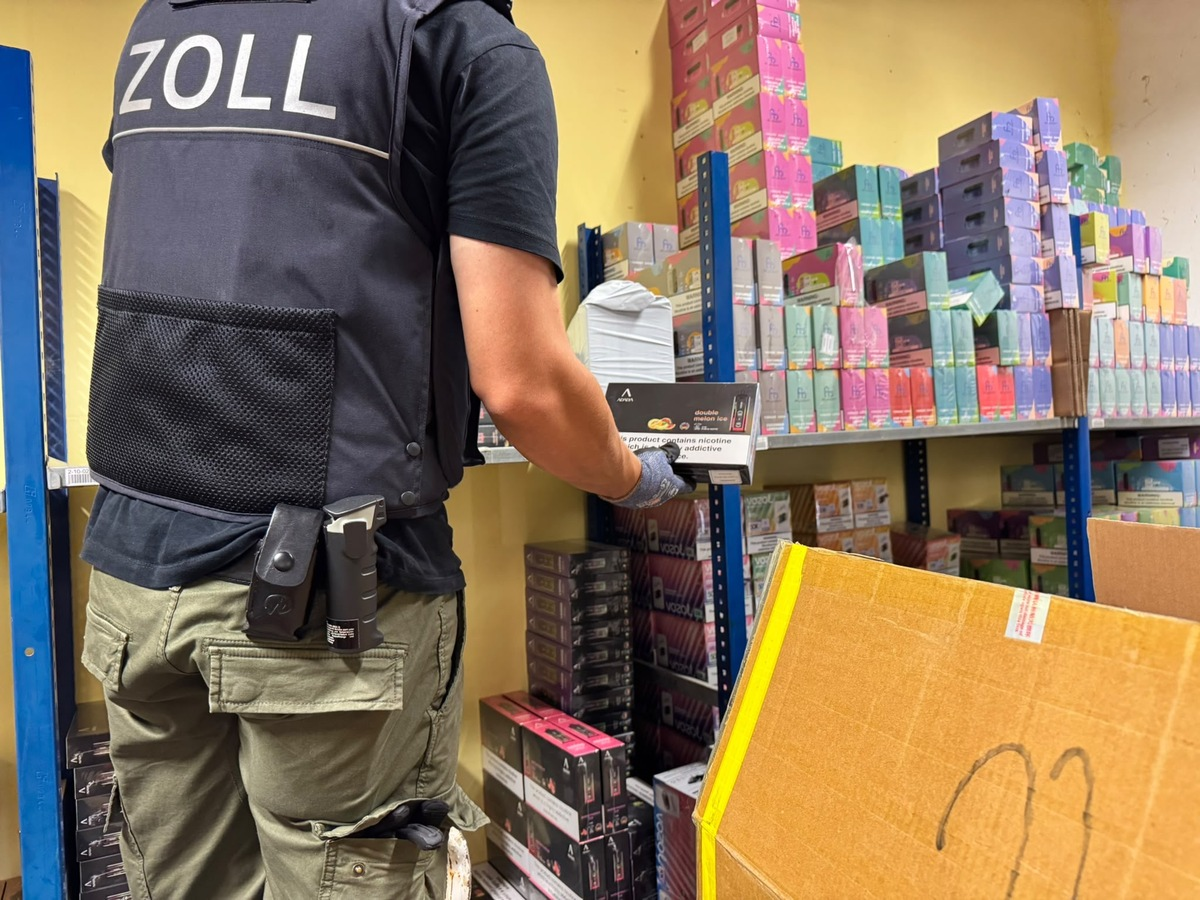
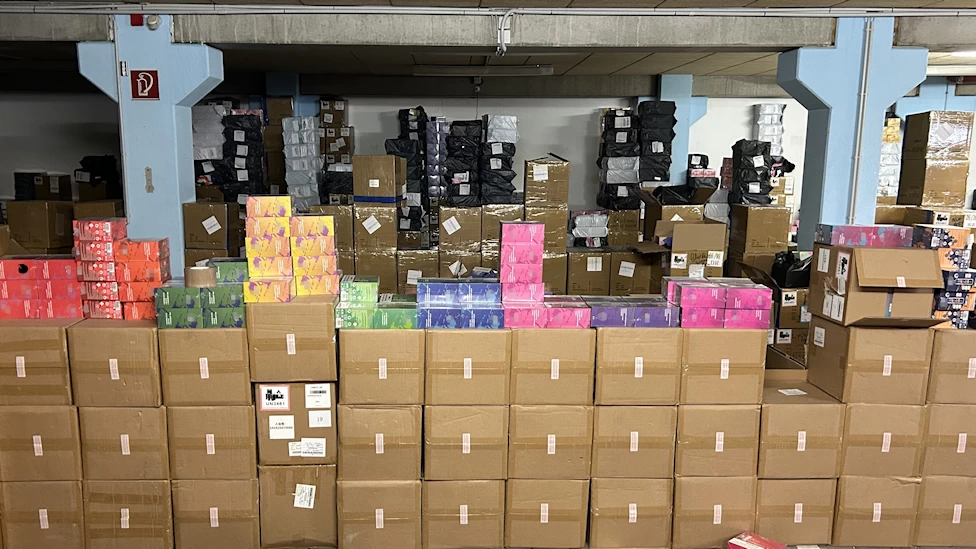
German customs officers seized 115,800 untaxed e-cigarettes containing a combined 4.366 million mL of e-liquid during four truck inspections between August 10 and September 4, preventing nearly €1.4 million in estimated tax losses, according to the Magdeburg Main Customs Office (Hauptzollamt Magdeburg).
The seizures, conducted along the A2 and A38 motorways, were the largest recorded within the customs office's jurisdiction. Authorities said the products were untaxed and not approved for sale on the German market.
Criminal proceedings have been initiated against four truck drivers. Customs said the cases were disclosed in October because of investigative considerations.
Four Truck Inspections Yield 115,800 Vaping Devices
On August 10, customs officers inspected a Romanian-registered truck travelling toward Berlin on the A2 motorway. After the driver was unable to provide information about the cargo, officers searched the vehicle and discovered two pallets wrapped in black film containing 12,600 e-cigarettes with 252,000 mL of e-liquid. The estimated tax loss was €80,640.
On August 28, officers inspected another truck at a service area near Sangerhausen on the A38 motorway. The inspection uncovered 11 pallets containing 44,000 untaxed e-cigarettes with 1.73 million mL of e-liquid. The estimated tax loss was €553,600, and the driver was temporarily detained.
A third inspection on September 3 involved a Polish-registered truck travelling toward Berlin on the A2 motorway. Officers seized 11,200 e-cigarettes containing 224,000 mL of e-liquid, representing €71,680 in estimated tax revenue.
The largest seizure took place on September 4 on the A38 motorway. Customs officers inspected a Lithuanian-registered truck that, according to transport documents, had arrived from the Netherlands and was travelling to an unknown destination. The vehicle contained 11 pallets holding 48,000 e-cigarettes with a combined 2.16 million mL of e-liquid, representing €691,200 in estimated tax losses.
| Date | Vaping devices | E-liquid volume | Estimated tax |
|---|---|---|---|
| August 10 | 12,600 | 252,000 mL | €80,640 |
| August 28 | 44,000 | 1,730,000 mL | €553,600 |
| September 3 | 11,200 | 224,000 mL | €71,680 |
| September 4 | 48,000 | 2,160,000 mL | €691,200 |
| Total | 115,800 | 4,366,000 mL | €1,397,120 |
VOZOL-Branded Products Visible in Official Seizure Photograph
An official photograph released by the Magdeburg Main Customs Office shows e-cigarettes seized during the August 28 truck inspection near Sangerhausen.
Packaging bearing VOZOL branding is visible among the seized products.
The shipment contained 44,000 e-cigarettes holding a combined 1.73 million mL of e-liquid, with an estimated tax loss of €553,600.
Customs authorities have not released a complete list of the brands or models involved in the four seizures, nor have they disclosed how many VOZOL-branded devices were among the confiscated goods.
Image caption: E-cigarettes seized by the Magdeburg Main Customs Office on August 28, 2026, with VOZOL-branded packaging visible. (Photo: Hauptzollamt Magdeburg)
Germany's E-Liquid Excise Tax Reaches €0.32 per mL in 2026
Germany introduced an excise tax on e-cigarette liquids and other tobacco substitutes on July 1, 2022, with rates increasing in stages.
The applicable tax rate reached €0.32 per mL in 2026. At that rate, the 4.366 million mL of e-liquid seized during the four inspections corresponds to approximately €1.397 million in excise tax.
Germany also imposes requirements on product labeling, accompanying information and e-cigarette liquid capacity. Prefilled cartridges and tanks are generally subject to a 2 mL capacity limit under applicable product rules.
Authorities said the seized devices were untaxed and not permitted for sale on the German market.
Criminal proceedings have been initiated against all four drivers on suspicion of commercial handling of tax-evaded goods, alongside alleged violations of Germany's Tobacco Tax Act and Tobacco Products Act. The Dresden and Hanover customs investigation offices are handling further inquiries.
Seizures Follow German Investigation Into 7.6 Million Illicit Vapes
The latest seizures come amid continued enforcement against illicit e-cigarette imports and distribution in Germany.
As previously reported by 2Firsts, German customs and prosecutors disclosed a separate cross-border investigation on September 18, 2026, involving more than 7.6 million nicotine-containing disposable e-cigarettes allegedly brought into Germany between January 2024 and March 2025.
Authorities estimated the excise-tax losses at €33.3 million and identified 23 suspects, including four employees of an unnamed Chinese e-cigarette manufacturer.
Investigators also seized approximately 600,000 illegal vaping devices and other assets. Some packaging visible in enforcement photographs resembled FUMOT products, although German authorities did not publicly identify the manufacturer involved.
In a separate report published by 2Firsts in July, Reemtsma, Imperial Brands' German tobacco subsidiary, said its tracker of official customs and police announcements recorded at least 2,489,960 illegal e-cigarettes seized in Germany during the first half of 2026, equivalent to 70% of the full-year 2025 figure.
The tracker covers publicly reported seizures rather than providing an estimate of the overall illicit market.
Follow 2Firsts for the latest developments in global vaping regulation, enforcement and next-generation nicotine markets.
Cover Image Source: Hauptzollamt Magdeburg, via Meetingpoint Magdeburg, August 28, 2026.
Disclaimer
This article is provided solely for professional research, industry discussion, and informational purposes. Any references to brands, companies, products, technologies, or policies are made for factual reporting and analytical purposes only, and do not constitute endorsement, recommendation, promotion, or advertising by 2Firsts.
Nicotine-containing products, including but not limited to cigarettes, e-cigarettes, heated tobacco products, and nicotine pouches, carry significant health risks. Readers are responsible for complying with all applicable laws and regulations in their respective jurisdictions, including age restrictions and access limitations.
The information contained in this article should not be regarded as investment, legal, medical, regulatory, or commercial advice. While 2Firsts strives to ensure the accuracy and reliability of its content, it does not assume liability for any direct or indirect loss arising from errors, omissions, inaccuracies, or reliance on the information contained herein.
This article is not intended for individuals below the legal age for accessing tobacco or nicotine-related information in their jurisdiction.
Copyright Notice
This article is either original content produced by 2Firsts or content reproduced, translated, summarized, or adapted from third-party sources with attribution where applicable. The intellectual property rights of the original content remain with 2Firsts or the respective original rights holders.
No individual or organization may copy, reproduce, distribute, republish, modify, translate, or otherwise use this content without prior authorization. Any unauthorized use may result in legal action.
For copyright-related inquiries, corrections, or removal requests, please contact: info@2firsts.com.
AI-Assisted Translation and Editing Notice
Portions of this article may have been translated, edited, or reviewed with the assistance of artificial intelligence tools to improve efficiency and readability. Due to the limitations of AI-assisted translation and editing, discrepancies, omissions, or inaccuracies may exist when compared with the original source.
Where applicable, readers are advised to refer to the original source for the most complete and accurate information. If you identify any errors or believe that any content infringes upon your rights, please contact us at info@2firsts.com, and we will review and address the matter promptly.