IBVTA Broad Member on Disposable's Surge

Market
Dec.12.2022
At the E-cigarette Summit UK last week, Liam Humberstone, Technical Director of Totally Wicked Ltd and Board Member of IBVTA gave a speech titled "Rebirth of the Disposable E-Cigarette" on the development process of e-cigarettes and reasons why disposables became a hit in recent years.

Compiled by Ellesmere Zhu from the E-cigarette Summit UK
 

IBVTA Broad Member on Disposable's Surge
IBVTA at the E-cigarette Summit UK


At the E-cigarette Summit UK last week, Liam Humberstone, Technical Director of Totally Wicked Ltd and Board Member of IBVTA gave a speech titled "Rebirth of the Disposable E-Cigarette" on the development process of e-cigarettes and reasons why disposables became a hit in recent years.


Back in 2013, the disposable e-cigarette was a product type that many of us thought to be in its early death throes.  Advocates and the independent industry alike were certain that it would all be about refillable, reusable and rechargeable open systems from there on in.  We can track the re-birth, understanding the market forces that have carried the growth, examining the spectrum of ethical and moral standards behind active marketing campaigns, and looking in detail at what we can objectively state about “new consumers” of disposable vapour products. We can also compare these newer entrants to vaping with our sector’s existing customers before the arrival of the latest disposable vapes. In short, what are brightly coloured and intensely flavoured new vapes really doing to the overall nicotine market: vaped, smoked or “other"?


From an industry viewpoint, this leads very directly to regulation. In November 2013 the discussion was focused on Europe, and the wheel has since then turned full circle from TPD2 to TPD3. With 8 years’ hindsight, what were the strengths and weaknesses of Directive 2014/40/EU’s impact on the diverse e-cigarette markets that it touched? How much of the enduring diversity in those markets is due to variation in regulations? Is the UK’s advanced position in reducing smoking through a nicotine harm-reduction approach engineered, “nudged,” or just a happy accident? How is it that the French, German, and UK vape markets have so many clear differences? Finally, as an industry sector, what pleas to policy makers and regulators are in the best interests of our customers, present and future?


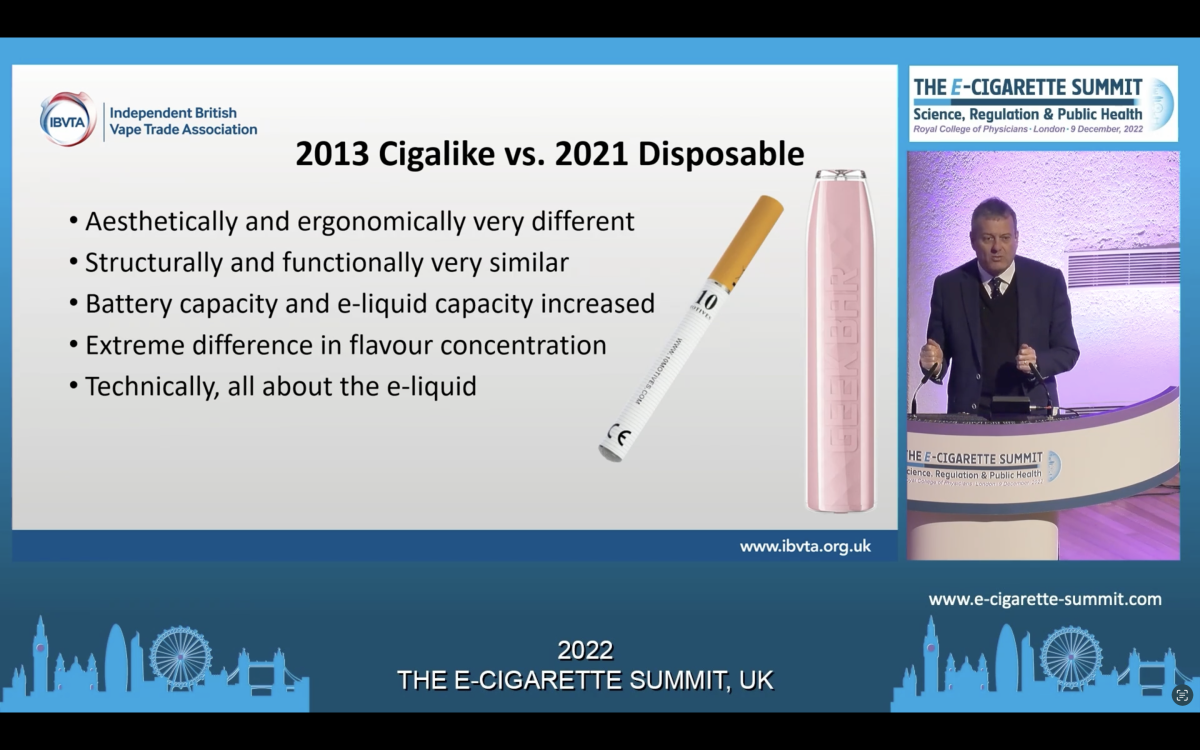
Unlike today's disposable vapes, e-cigarettes in 10 years ago looked  just like cigarettes. But technologies adopted are similar, including but not limited to inner structure, e-liquid vaporization, etc., as Liam put it, "under the skins there is not much of a difference", as shown in the following screenshot:
 

IBVTA Broad Member on Disposable's Surge


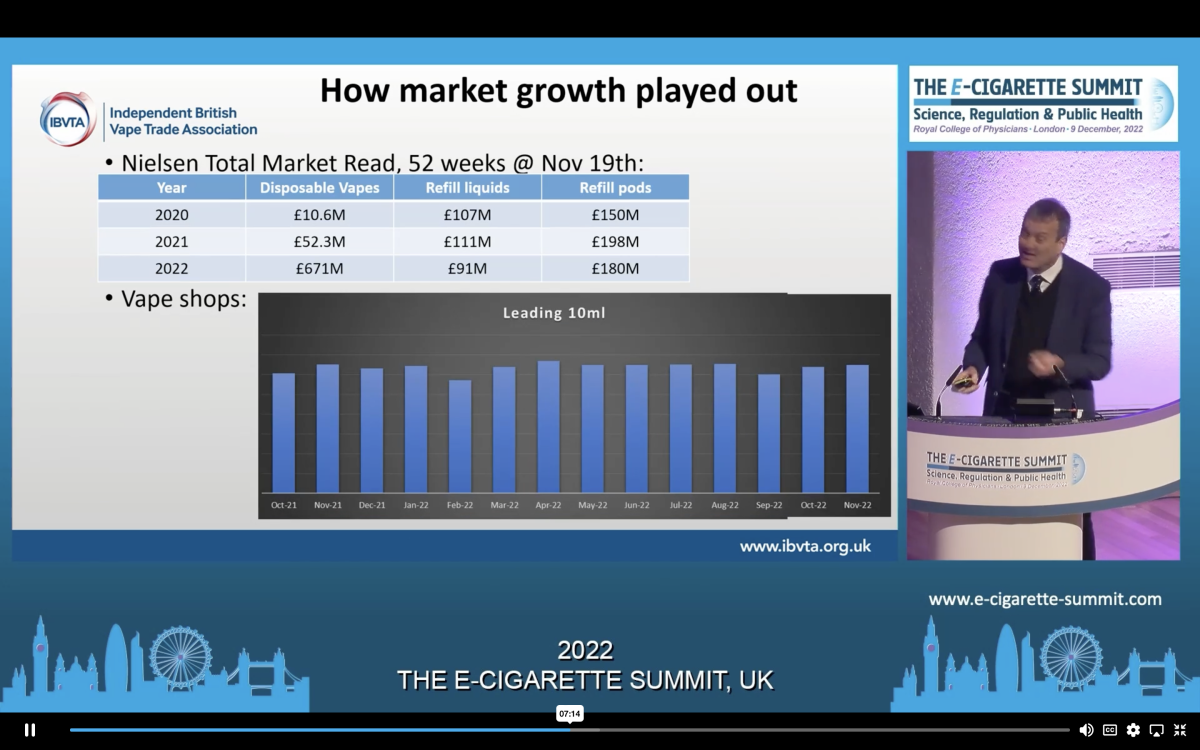
Disposable vape market value in the UK skyrocketed from £10.6 million to £671 million in the past 2 years with a 63-fold rise, while refillable systems and pod systems stayed put, as shown in the following screenshot:
 

IBVTA Broad Member on Disposable's Surge


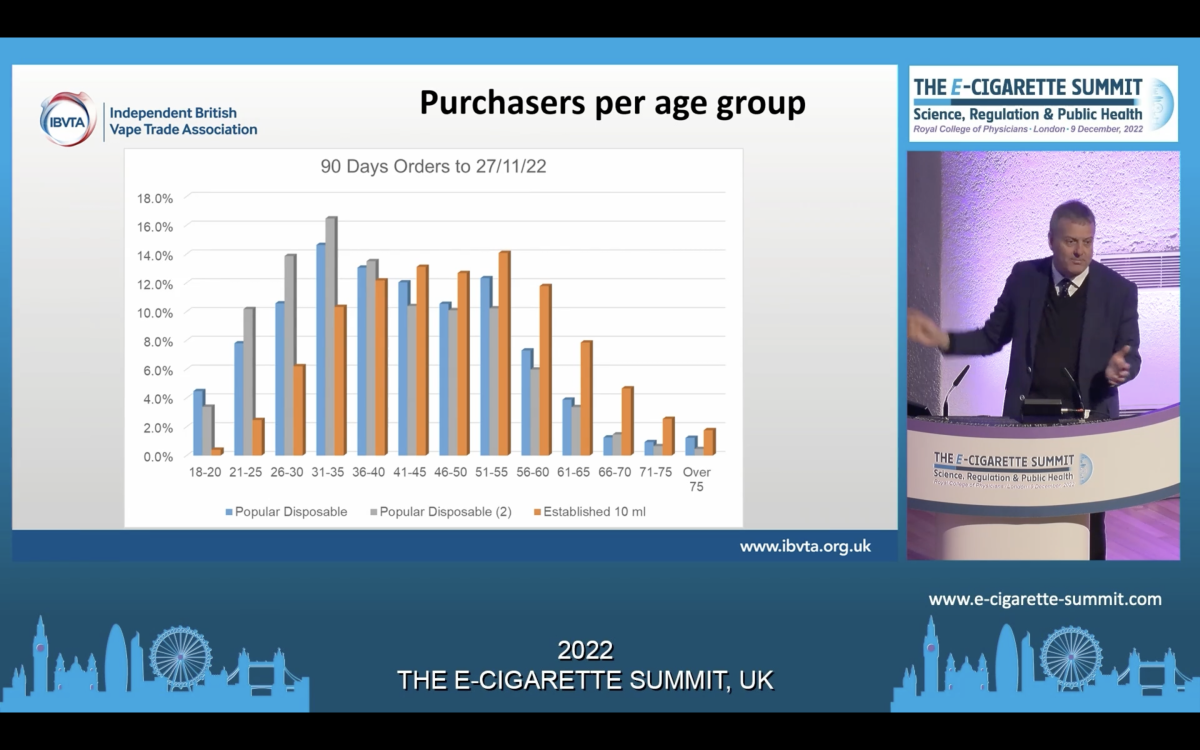
Disposables are more popular among younger users with a 7-10 years' age difference between disposable and 10ml users as shown in the following 2 screenshots. The 2 popular disposables drawn in the graph are Elfbar and Geekbar, China's hit disposable brands that originated in one enterprise. 
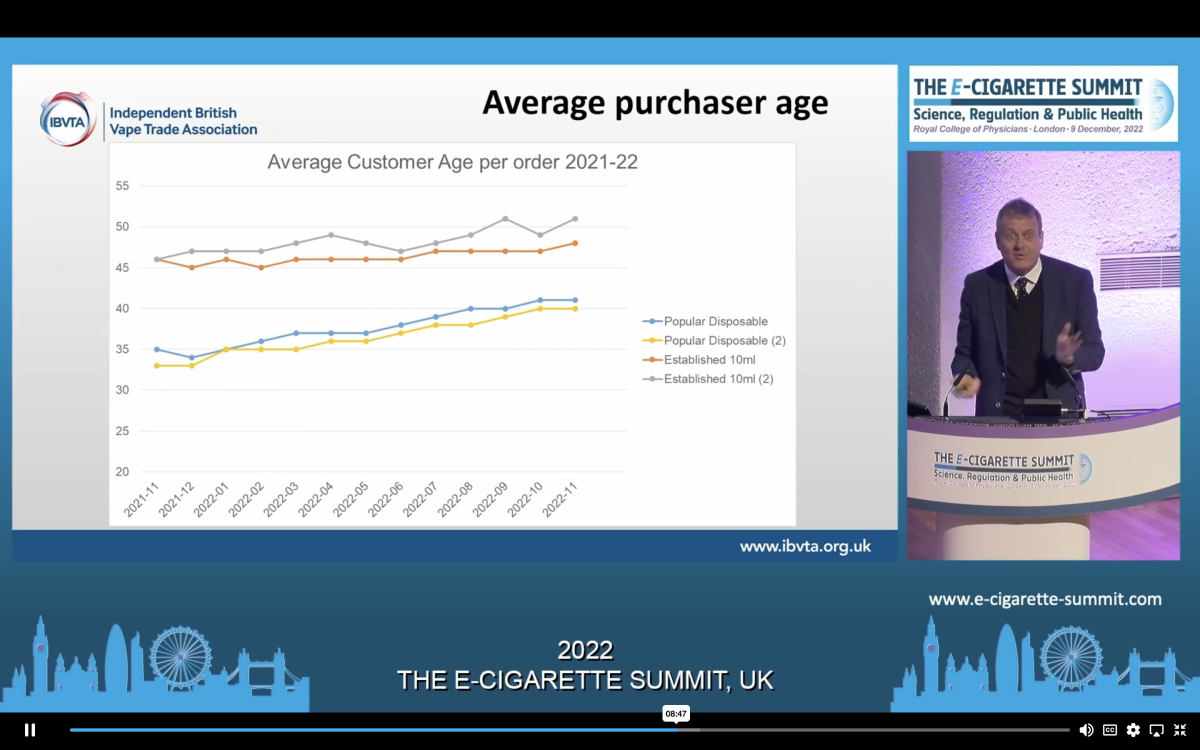
 

IBVTA Broad Member on Disposable's Surge


Preference for cotton candy ice is seen, interestingly, among users aged 46 - 70. So to quote Liam "Don't make rash assumptions about who might like what (flavor)", as shown in the screen below. 
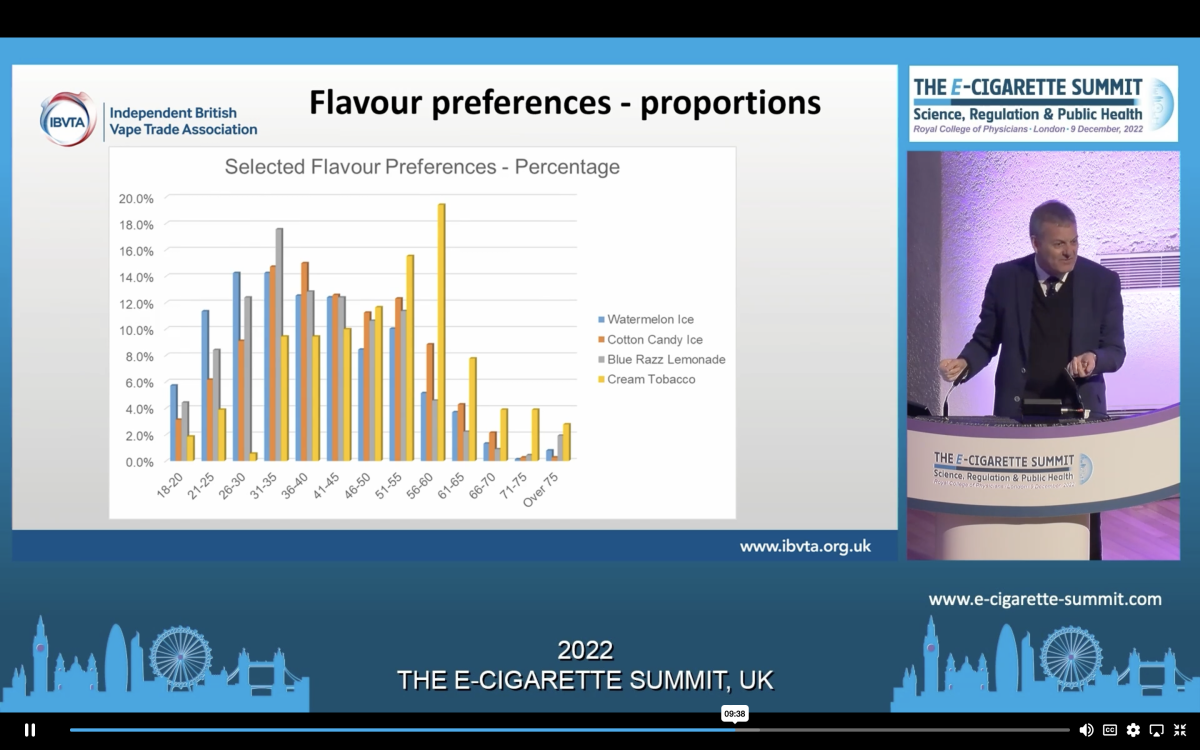
 

IBVTA Broad Member on Disposable's Surge


Liam also made comments on EU TPD3 and EU Excise that they could be bad or great depending on the next election results, as is UK's TRPR. Both systems have seen unstable narratives due to constant changes in government, allowing tobacco control will take a back seat in their list of priorities. 


Reference: 

2021 – 2022: Rebirth of the Disposable E-Cigarette - A sector’s path through a difficult age


*The content of this article is written after the extraction, compilation and integration of multiple information for exchange and learning purposes. The copyright of the summary information still belongs to the original article and its author. If any infringement is found, please contact us to delete it. 

UK HMRC Unveils Red and Yellow Transitional Vape Duty Stamps Ahead of October Tax Launch
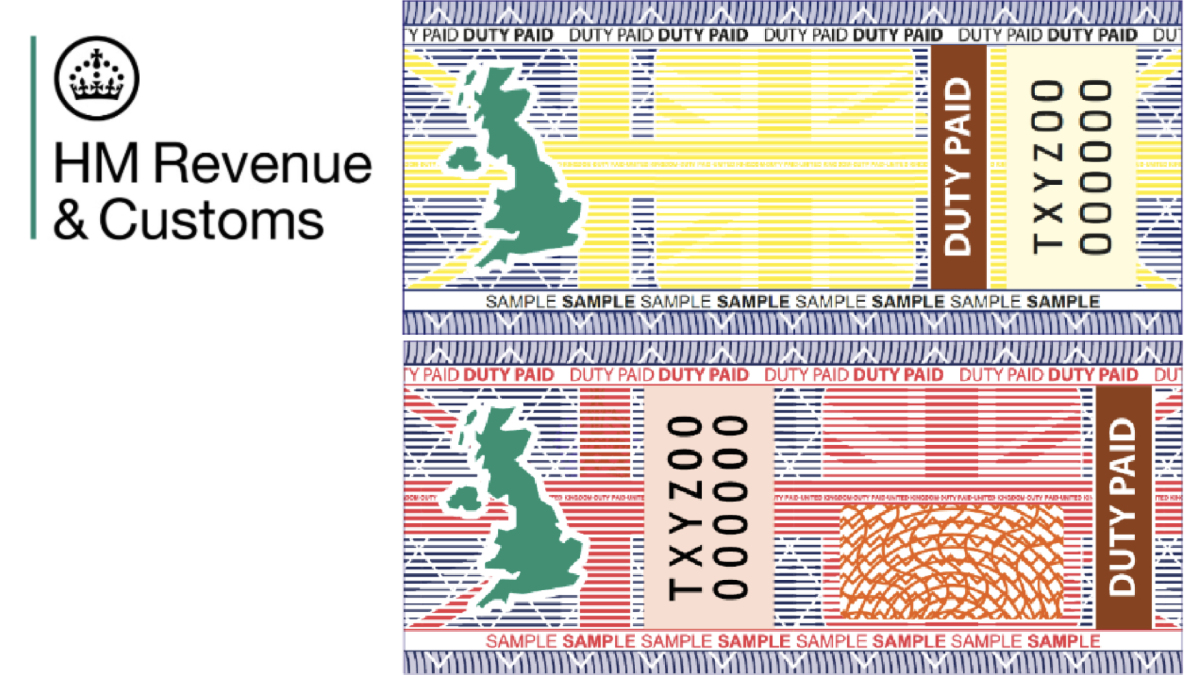
HM Revenue & Customs (HMRC) has released sample images of the UK’s transitional vaping duty stamps, showing red and yellow versions ahead of the new Vaping Products Duty and Vaping Duty Stamps Scheme starting on October 1, 2026. Transitional stamps contain physical security features but no digital scanning function. Approved businesses may purchase them through November 30 and affix them through December 31. HMRC has not stated that the red and yellow samples represent different product categories or tax statuses.
Regulations
Sep.02
UK HMRC Launches Vape Duty Stamps on October 1, Ushering in Supply-Chain Traceability as Chinese Exporters Face New Compliance Hurdles
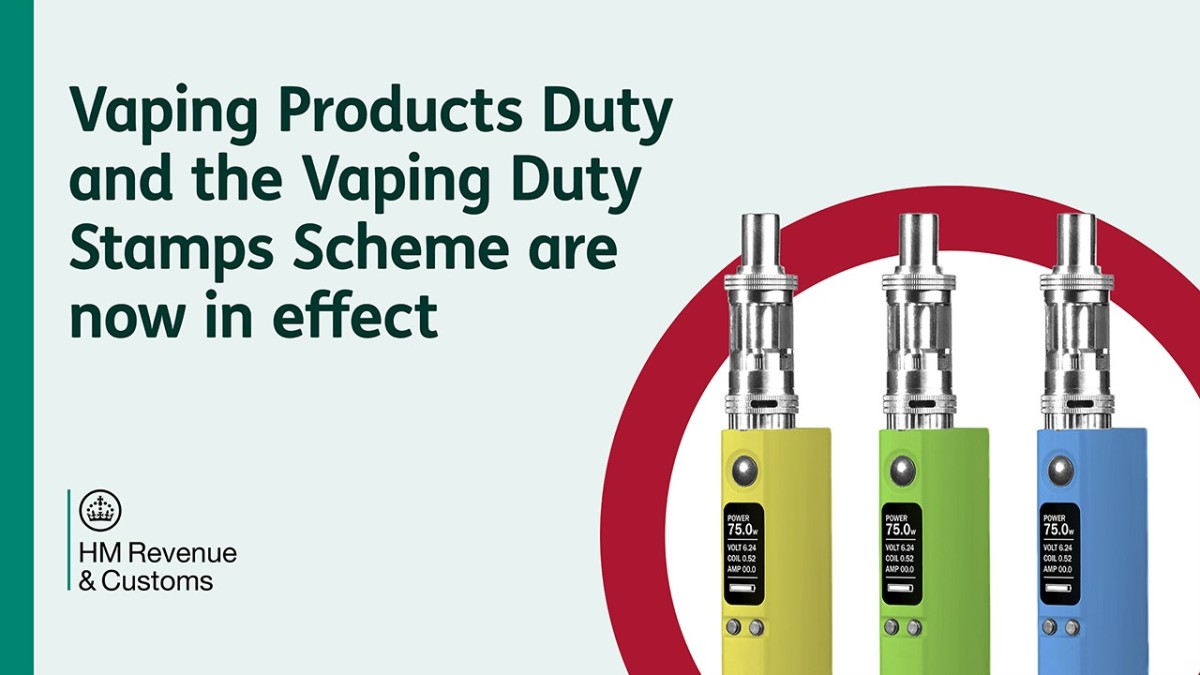
HM Revenue & Customs put the UK's Vaping Products Duty and Vaping Duty Stamps Scheme into effect on October 1. All vaping liquids manufactured in or imported into the UK are now subject to duty at £2.20 per 10ml, regardless of nicotine content. The stamp regime will introduce digital functionality designed to provide traceability throughout the supply chain, with approved manufacturers, importers and warehousekeepers required to report product movements and retailers and consumers eventually able to scan stamps to verify authenticity. China exported $177 million of vape-related products to the UK in August, up 51.4% year over year, increasing the significance of the new compliance regime for China's Shenzhen-centered vape supply chain.
Regulations
Oct.04
UK PM Andy Burnham Reshapes Vape Retail Rules as Licensing Could Raise Barriers for New Shops
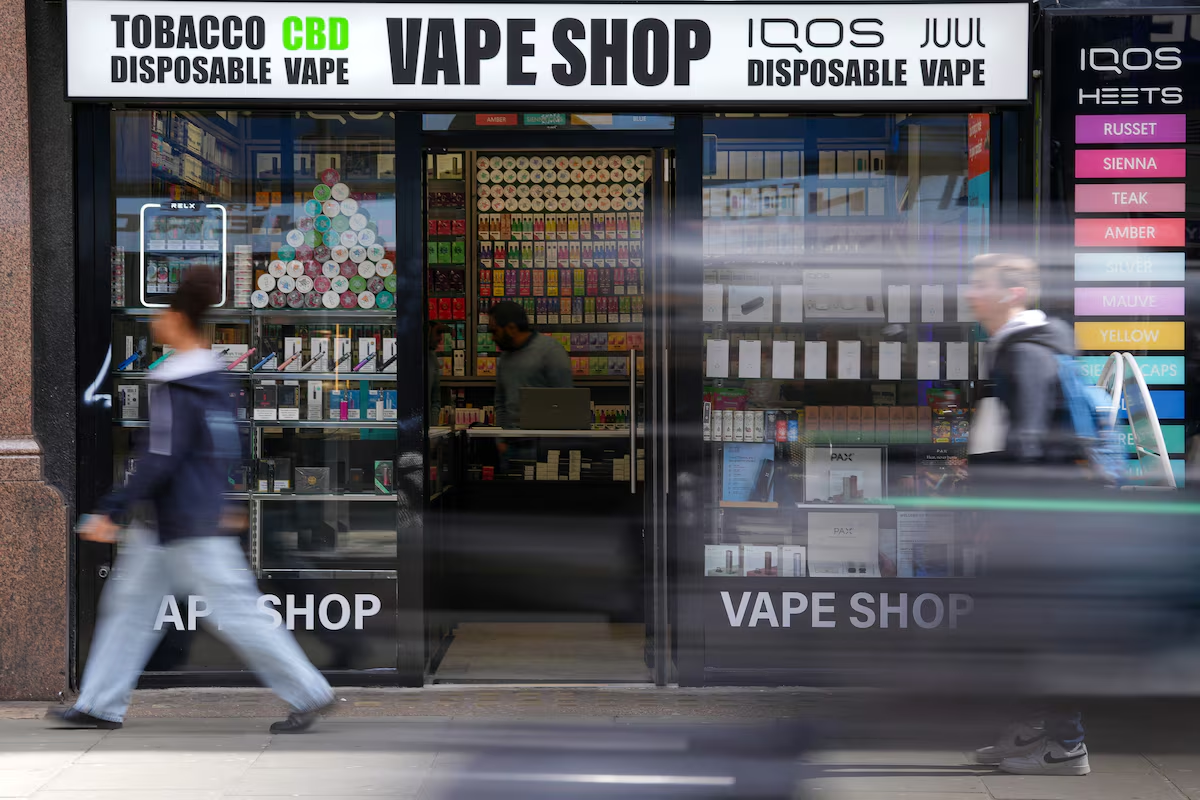
UK Prime Minister Andy Burnham is pushing a high street reform agenda that could give local authorities greater powers over commercial activity, including vape retail. The reforms could involve expanded planning powers and a potential vape retail licensing system, allowing councils to play a larger role in store locations and market access. The measures are part of the UK’s broader shift toward tighter vape regulation, although no nationwide vape retail restrictions have yet been implemented.
Aug.11
Yinghe-Controlled Vape Maker SKE Ordered to Post £569,039 Security as It Pursues Crystal Bar Design Infringement Case in UK
The UK High Court has ordered Chinese vape manufacturer Shenzhen SKE Technology to provide £569,039 ($776,000) in security for costs in its design infringement proceedings against Vapepen London and other defendants over its Crystal Bar vape product. The court did not accept the defendants’ main argument that recovering costs from a China-based company would face significant enforcement obstacles, but found that SKE had not sufficiently disclosed its own financial position. The order is procedural and does not determine the underlying infringement claims.
News
Aug.21
UK Reform Party Proposes Cap of 1,000 Vape Shops Under Plan to Tighten Retail Controls
The UK Reform Party has proposed limiting the number of dedicated vape shops in the country to around 1,000 as part of a plan to tighten oversight of vape retail channels. The proposal was put forward by Reform UK deputy leader and MP Lee Anderson. The plan remains a political proposal and has not become UK government policy, with no detailed legislation, implementation timeline or allocation rules announced.
Aug.10