Key Points
- Indonesia’s National Narcotics Agency (BNN) has pushed a proposal for a total vape ban.
- Some members of House Commission III support stronger vape restrictions.
- The Health Ministry is advancing tobacco and nicotine regulations under PP No. 28/2024.
- Tobacco industry groups warn of economic and employment impacts from tighter rules.
- Indonesia’s nicotine market faces competing security, health and industry interests.
2Firsts
July 26, 2026
According to Tempo English, WTVB and other reports, Indonesia entered a new round of debate over vape and tobacco regulation in late July 2026. The National Narcotics Agency (Badan Narkotika Nasional, BNN) proposed a total vape ban, while the Health Ministry moved forward with broader tobacco and nicotine product regulations, drawing concerns from tobacco and vape industry groups.
The debate is not limited to a single vape prohibition proposal. It reflects competing policy priorities: BNN is focused on regulatory risks, the Health Ministry is pursuing public health objectives, and industry groups are concerned about economic consequences.
Indonesia has not implemented a nationwide vape ban, and the measures remain under policy discussion and regulatory review.
BNN Pushes Vape Ban Debate
Indonesia’s National Narcotics Agency (BNN) has become a key driver of the latest debate over vape regulation.
According to reports, BNN chief Suyudi Ario Seto raised proposals for stronger vape controls during discussions with Commission III of the Indonesian House of Representatives (Komisi III DPR RI).
BNN argued that stronger legal measures are needed to address risks associated with vape products.
Some lawmakers supported stricter controls. Commission III Chairman Habiburokhman and Deputy Chairman Ahmad Sahroni said lawmakers could consider stronger restrictions if vape products are found to pose significant risks.
BNN has also previously released testing information, saying it analyzed 341 vape liquid samples and reported that some samples involved substances including methamphetamine, synthetic cannabinoids and etomidate.
The information reflects BNN’s statements and serves as part of its rationale for stronger oversight. It does not indicate that all vape products contain such substances.
Health Ministry Advances Plain Packaging and Tobacco Rules
Beyond BNN’s vape restriction proposal, Indonesia’s Health Ministry is pursuing broader tobacco and nicotine regulation.
The measures are based on Government Regulation No. 28/2024 and include requirements related to tobacco and nicotine product packaging, product restrictions and consumer protection.
The ministry’s draft regulations include measures such as plain packaging, limits on nicotine and tar levels, and controls on additives.
Unlike BNN’s security-focused approach, the Health Ministry’s framework is primarily based on public health objectives, including reducing tobacco use and protecting younger consumers.
Tobacco and Vape Industries Warn of Economic Impact
Tobacco and vape industry groups have raised concerns over tighter regulations.
Industry representatives argue that excessive restrictions could affect a large supply chain involving manufacturers, farmers and workers.
The industry says Indonesia’s tobacco sector is worth around $40 billion, supports about 6 million jobs and contributes around 300 trillion rupiah (about $17 billion) in excise and related tax revenue.
Industry groups warn that overly strict restrictions could push consumers toward illegal markets.
Vape industry representatives have also argued that electronic nicotine products should be regulated differently from combustible tobacco products.
These views represent industry positions and do not determine government policy outcomes.
Indonesia’s Nicotine Market Faces Regulatory Reset
The debate shows Indonesia is reassessing the regulatory boundaries for vapes and tobacco products.
BNN is focused on regulatory risks and control measures; the Health Ministry is focused on public health and tobacco reduction goals; lawmakers are balancing different policy priorities; and industry groups are emphasizing economic impacts.
For global nicotine companies, Indonesia’s policy direction is significant. As one of Southeast Asia’s major tobacco markets, future regulatory decisions could affect vape, heated tobacco and combustible tobacco businesses.
The final regulatory framework remains under discussion and will depend on further coordination among government agencies, lawmakers and industry stakeholders.
Follow 2Firsts for the latest updates on global tobacco and nicotine regulation, industry developments and market trends.
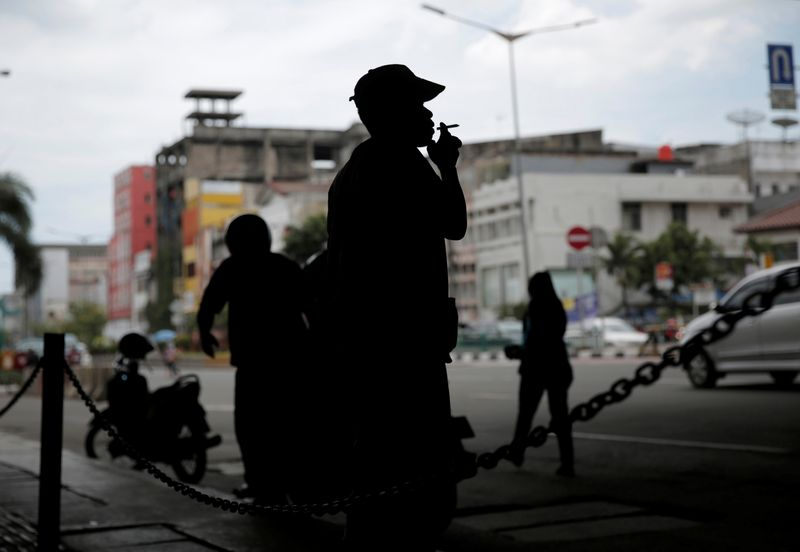
Cover Image source:WTVB