Key Points
- Riot Man is a fictional campaign character and is not among the 34 officially nominated Clacton candidates;
- The campaign targets proposed restrictions on vape packaging, device appearance, flavor descriptors and retail displays;
- Riot is using its Save Vaping platform to encourage consumers and retailers to submit consultation responses and contact lawmakers;
- If adopted, the proposals could require brands, retailers and OEM/ODM manufacturers to revise packaging, device design, SKU names and in-store presentation.
2firsts
August 12 2026
British e-liquid manufacturer Riot Labs has launched a satirical campaign around the Clacton parliamentary by-election, using a fictional character called “Riot Man” to mobilize opposition to parts of the UK government’s proposed restrictions on vape packaging, product appearance and retail displays.
Riot has portrayed the character as a candidate in the August 13 contest and used mock campaign material to promote its regulatory position. Riot Man, however, does not appear on the official list of 34 validly nominated candidates published by Tendring District Council, making the initiative a corporate advocacy campaign rather than an official candidacy.
The company is also directing members of the public to its Save Vaping website, which encourages consumers and retailers to respond to the government consultation and contact members of Parliament.
Riot says it supports measures to prevent underage sales and restrict marketing to children and people who have never smoked. It opposes, however, parts of the proposals covering packaging, device design, flavor descriptions and product displays.
UK Proposes White Packaging and Device Design Restrictions
The Department of Health and Social Care opened a 12-week consultation on July 10 covering the packaging, appearance and retail display of tobacco, vaping and nicotine products. It closes at 11:59 p.m. on October 2.
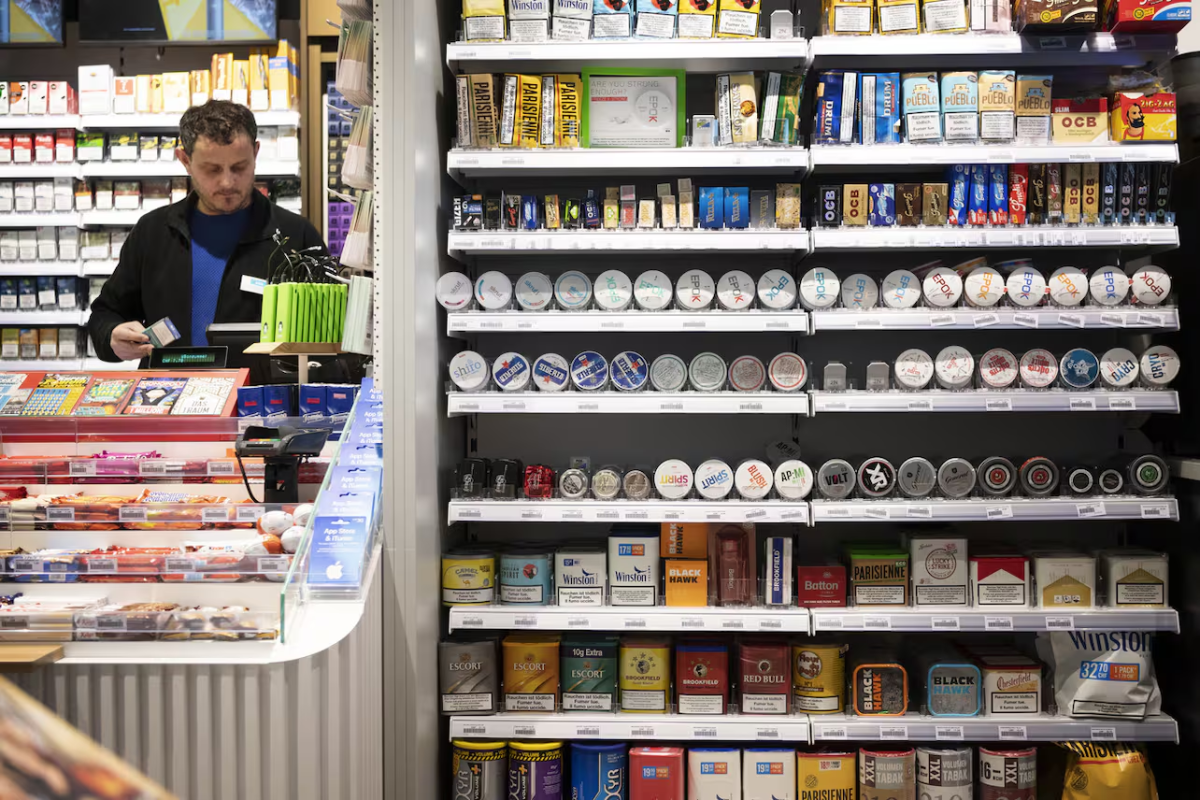
Under the proposals, packaging for vaping and nicotine products would be white, with restrictions on imagery, logos and promotional features. Brand text would be subject to standardized rules governing its color, font and typeface.
Vape devices, including all visible components, could be limited to a single color—white, black or gray—with an opaque matt finish and no variation in shade. Cosmetic lights could be prohibited, while digital screens could be restricted to grayscale displays of safety and status information, such as battery and e-liquid levels.
The government is also considering limits on branding, imagery and artwork on devices, as well as a prohibition on vapes that imitate products such as highlighter pens, refillable water bottles or gaming devices.
Flavor descriptions would be restricted to a single recognizable lead flavor, such as apple or strawberry. Combined names such as “blueberry-apple” could be prohibited, alongside concept, sensory, confectionery, dessert and some beverage-related descriptors.
Riot Warns of Reduced Product Differentiation
Riot argues that the measures could weaken brand recognition and consumer choice for legal vaping products while obscuring differences between vapes and combustible tobacco.
The government, however, is not proposing identical packaging for vaping and tobacco products. Its consultation recommends white packaging for vaping and nicotine products, while tobacco products and heated tobacco devices would use the matt dark-brown color Pantone 448C.
The government says the distinction is intended to reflect evidence that vaping is less harmful than tobacco use over the short to medium term, although vaping is not risk-free and should not be used by children, young people or people who have never smoked.
Officials say the proposed restrictions are intended to reduce the appeal of vaping products to children while preserving their role in helping adult smokers quit. The consultation cites survey findings showing that about one in five people aged 11 to 17 in Great Britain had tried vaping in 2025.
Policy Engagement Moves Toward Consumer Mobilization
The Riot Man initiative shows how some vaping companies are extending their response to regulation beyond formal industry submissions and into brand-led consumer mobilization.
If adopted, the proposals could require vape companies to redesign packaging and devices, revise the names of multi-flavor SKUs and change how products and pricing information are presented in stores. OEM/ODM manufacturers supplying the UK market could also face new specifications covering colors, surface finishes, screens, lighting and packaging.
The commercial effects will depend on the final regulations and transition periods. The government says it will publish a response after reviewing consultation submissions but has not yet confirmed which measures will proceed or when they would take effect.
Separately, the UK is scheduled to introduce its Vaping Products Duty and accompanying duty-stamp scheme on October 1. Vaping products manufactured in or imported into the country will generally be required to carry a duty stamp unless they are held under duty-suspension arrangements.
This article was adapted from materials provided by Riot Labs and fact-checked against publicly available information from UK national and local government sources. 2Firsts was unable to independently verify all company claims concerning market impacts and potential policy consequences; such statements are presented as the company’s views.
2Firsts will continue to monitor the UK’s tobacco and vaping regulatory consultation and its potential implications for brands, retailers and global supply chains. To share company feedback, industry perspectives or policy analysis, contact us at info@2firsts.com.
Cover Image:Riot