Kazakh Man Fined $146 for Illegal Sale of e-cigarettes in Uralsk

Aug.22.2025
Kazakh Man Fined $146 for Illegal Sale of e-cigarettes in Uralsk
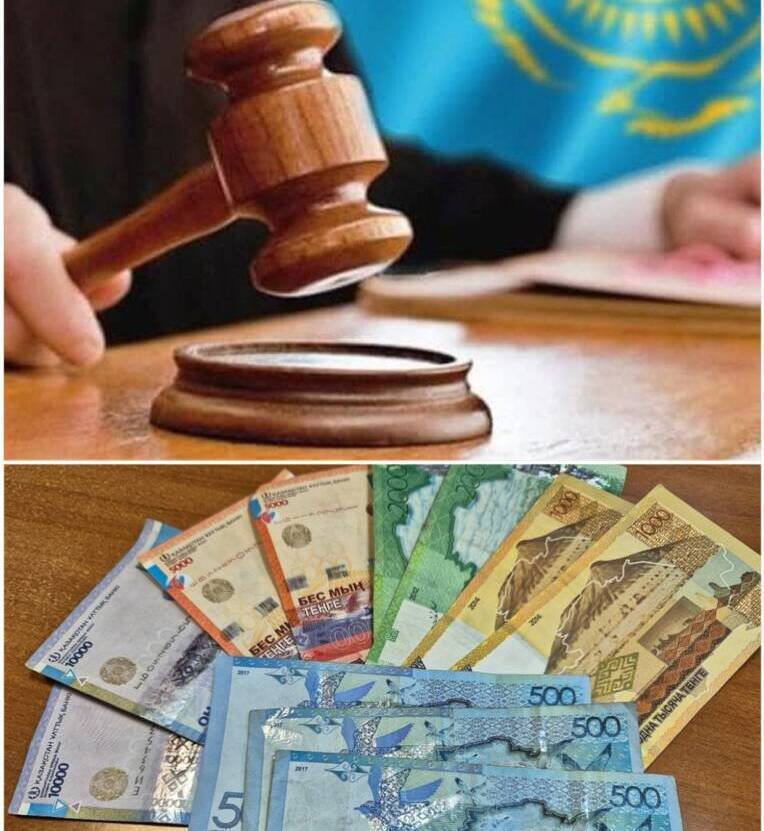
A man in Ural'sk, Kazakhstan, was fined 78,640 tenge (about 146 US dollars) for illegal e-cigarette sales. The police took swift action after the case was exposed.

Key Points: 


·Residents of Uralsk, Kazakhstan fined 78,640 tenge (approximately $146) for illegally selling e-cigarettes. 

·The man involved in the case continued to purchase the products despite knowing they were illegal, leading to his exposure. 

·Police quickly took action.


According to a report from Nadezhda on August 21st, a man in Uralsk, Kazakhstan was fined 78,640 tenge (approximately $146) for illegally selling and distributing e-cigarettes.


The case involves a man who decided to engage in the sale of e-cigarettes and their accessories for personal gain. According to the investigation, he knowingly chose to engage in illegal activities as he was aware that this type of activity could generate stable income without requiring significant investment.


In June 2025, a suspect successfully sold an e-cigarette near a residential building for 15,000 hryvnias (approximately $28). After the transaction was completed, the customer immediately reported this illegal sale to the police.


After the initial court hearing, it was determined that the evidence was conclusive and the man was found guilty, with a fine of 78,640 jiangge imposed. The local court's press office stated that the verdict is not yet in effect.


We welcome news tips, article submissions, interview requests, or comments on this piece.

Please contact us at info@2firsts.com, or reach out to Alan Zhao, CEO of 2Firsts, on LinkedIn


Notice

1.  This article is intended solely for professional research purposes related to industry, technology, and policy. Any references to brands or products are made purely for objective description and do not constitute any form of endorsement, recommendation, or promotion by 2Firsts.

2.  The use of nicotine-containing products — including, but not limited to, cigarettes, e-cigarettes, nicotine pouchand heated tobacco products — carries significant health risks. Users are responsible for complying with all applicable laws and regulations in their respective jurisdictions.

3.  This article is not intended to serve as the basis for any investment decisions or financial advice. 2Firsts assumes no direct or indirect liability for any inaccuracies or errors in the content.

4.  Access to this article is strictly prohibited for individuals below the legal age in their jurisdiction.


Copyright


This article is either an original work created by 2Firsts or a reproduction from third-party sources with proper attribution. All copyrights and usage rights belong to 2Firsts or the original content provider. Unauthorized reproduction, distribution, or any other form of unauthorized use by any individual or organization is strictly prohibited. Violators will be held legally accountable.

For copyright-related inquiries, please contact: info@2firsts.com


AI Assistance Disclaimer


This article may have been enhanced using AI tools to improve translation and editorial efficiency. However, due to technical limitations, inaccuracies may occur. Readers are encouraged to refer to the cited sources for the most accurate information.

We welcome any corrections or feedback. Please contact us at: info@2firsts.com

NAS 2026 | Cliff Douglas: Risk Continuum Should Play a Central Role in Tobacco Policy
Cliff Douglas, a veteran U.S. tobacco-control and public health policy figure, told NAS 2026 that the “continuum of risk” should play a central role in tobacco policy. He called for clearer market pathways, stronger risk communication, differentiated regulation and enforcement, and said possible FDA reforms to PMTA reviews could be a “welcome correction” if they create a more efficient, predictable route for scientifically substantiated lower-risk products. Read 2Firsts’ on-site coverage.
Sep.26
Product | BAT Revises Japan's VELO Convenience Store Lineup, Adding ¥380 Mango Pouches as Selected SKUs Exit
British American Tobacco's Japanese subsidiary, BAT Japan, launched VELO Mango Ice Medium on November 2, 2026, with distribution expanding to selected 7-Eleven, FamilyMart, NewDays and Seicomart stores from November 3. The new oral tobacco product contains 15 pouches per can and retails for ¥380, featuring a mango and cooling flavor profile at Medium intensity. At the same time, BAT Japan raised prices on multiple existing VELO products from ¥360 to ¥380 per can and withdrew selected SKUs from convenience store distribution without discontinuing them entirely. The changes affect product assortment, pricing and retail channel allocation.
product
Nov.04
Juul Displays FDA-Authorized JUUL2, Highlights Age Verification at NACS Show 2026
At the 2026 NACS Show in Las Vegas, Juul Labs displayed its JUUL2 e-cigarette system alongside existing products, age-verification messaging and mobile coupons, 2Firsts observed. The JUUL2 device and Virginia Tobacco and Polar Menthol pods received FDA marketing authorization in August 2026. Booth materials highlighted longer battery life, greater e-liquid capacity and connected-device features. A TruAge sign and a mobile coupon presentation also featured at the booth, with weekly offers available to age-verified adult nicotine consumers at participating retailers.
EXPO
Oct.09
Philippines Mandates Safety Certification for Nicotine Pouches, Gives Industry 12 Months to Comply
The Philippines Department of Trade and Industry has placed nicotine pouches under mandatory product certification through Department Administrative Order No. 26-07, Series of 2026. Nicotine pouches must obtain a Philippine Standard, or PS, license before they can be manufactured, imported, packed, distributed or sold in the country. The regime requires testing for nicotine content, pH and water activity, while packaging must disclose nicotine strength, ingredients, allergens, batch information, the PS certification mark and prescribed health warnings. Existing market participants have a 12-month transition period to comply.
Regulations
Oct.12
2Firsts Interview | Cigarette Sales Fall as Smokeless Alternatives Gain in U.S. Convenience Stores, NACS Says
Ahead of the 2026 NACS Show, 2Firsts interviewed Chris Rapanick, NACS managing director of research, on changes reshaping the U.S. convenience-store tobacco and nicotine market. NACS data show cigarette sales declining while smokeless alternatives, including nicotine pouches, continue to grow. The interview also examines higher OTP margins, shifting backbar space, weaker store traffic, regulatory uncertainty and NACS’ outlook for 2027, offering a retailer-side view of one of the world’s largest nicotine markets.
Interview
Oct.03
Global Nicotine-Pouch E-Commerce Group Haypp Shuts Sweden’s Snusnetto Over Age Verification as Identity Checks Become Industry Infrastructure for New Nicotine Products
Sweden's Supreme Administrative Court has declined to hear an appeal over age verification for tobacco and nicotine products collected from parcel lockers, leaving in place a lower-court ruling that geo-located BankID verification is insufficient to securely verify the actual recipient. Haypp Group has stopped tobacco and nicotine sales through Snusnetto and is deploying a new system across its other Swedish e-commerce sites to verify the age of the person who actually opens the locker and receives the shipment. The change comes as age verification across next-generation nicotine products expands from purchase checks into retail, delivery and, for some e-cigarettes, device access itself.
Regulations
Oct.20