Key Points
- Ecto World, operating as Demand Vape, hired Roger Stone to lobby the Executive Office of the President on vaping and related product regulation.
- The company had paid at least $300,000 for the lobbying work through June 30.
- New York State announced a seizure of more than 28,500 pounds of vaping products associated with Ecto World in March.
- New York City and New York State have both taken legal or enforcement action involving Demand Vape/Ecto World, but no direct causal link between the lobbying and any specific outcome has been established.
2Firsts
September 8, 2026
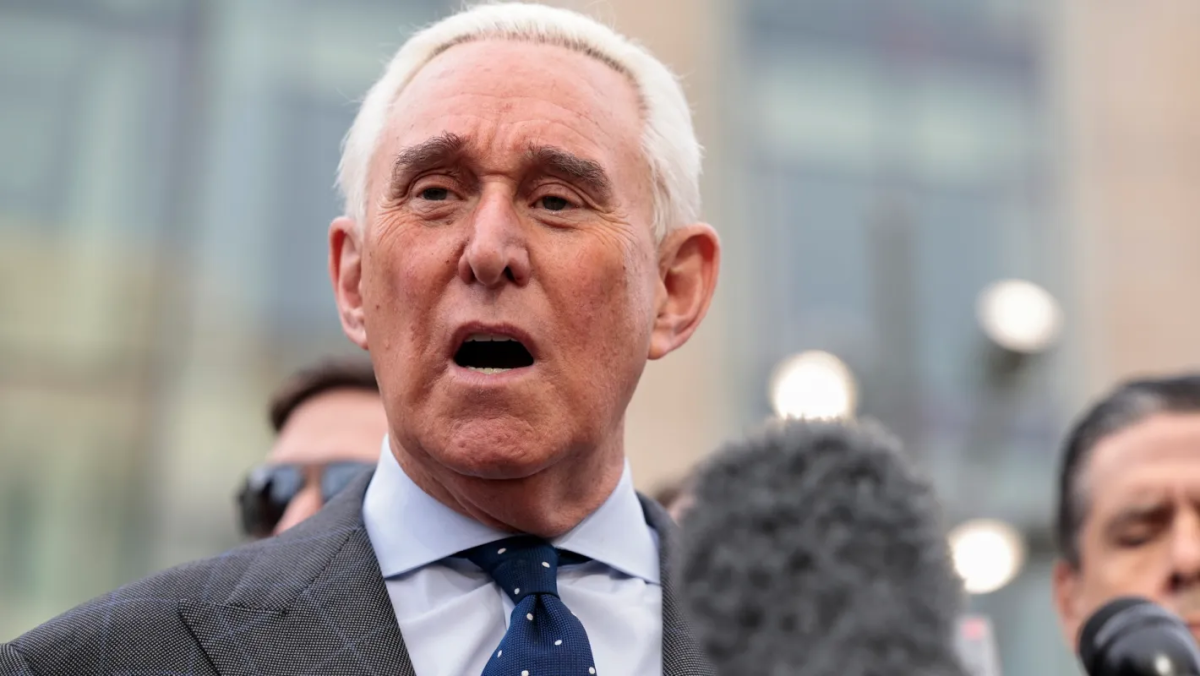
According to a recent report by The Cool Down, New York vape distributor Ecto World, which operates as Demand Vape, hired political consultant Roger Stone to lobby the Executive Office of the President on regulation of vaping and related products while the company was facing enforcement pressure and litigation in New York.
Public lobbying disclosures show that Ecto World had paid at least $300,000 for the work through June 30, 2026.
Demand Vape Hires Roger Stone for White House Lobbying
The Cool Down, citing reporting by Mother Jones, said Stone was retained by Ecto World to lobby the Executive Office of the President on “vaping and related product regulation.”
The disclosures show that the effort was conducted through formal federal lobbying channels rather than an isolated meeting.
Ecto World operates in the U.S. vape distribution market under the Demand Vape name, distributing vaping devices, e-liquids and related products.
The company has framed the Stone engagement as part of an effort to address what it views as problems in the current regulatory system.
Public records do not show that the lobbying has produced a specific policy change or that the White House altered its regulatory position toward Demand Vape or related products as a result.
New York Seized More Than 28,500 Pounds of Related Products
The federal lobbying effort comes as Demand Vape faces growing enforcement pressure in New York.
In March 2026, the New York governor’s office announced that state health officials, working with law enforcement in Nassau and Orange counties, had seized more than 28,500 pounds of vaping products linked to Ecto World after a multi-month investigation.
The state said Ecto World also operates under the Demand Vape name and alleged that the company shipped large quantities of vaping products to secondary distributors and unlicensed retailers.
Related criminal charges were left to local district attorneys.
The action shows that Demand Vape’s regulatory exposure has moved beyond routine compliance scrutiny and into formal state and local enforcement proceedings.
New York City Previously Sued Demand Vape
Demand Vape has also faced legal action from New York City.
In 2023, the city filed suit against Ecto World, Magellan Technology and related executives, identifying Ecto World in the complaint as Demand Vape.
The city alleged that the defendants sold and distributed flavored vaping products in New York City and sought injunctive relief, damages and civil penalties.
Demand Vape is therefore facing pressure across multiple levels of government: local and state enforcement on one side, while simultaneously seeking engagement with federal policymakers on broader vape regulation.
Company Seeks Federal-Level Regulatory Engagement
For vape companies, federal policy has direct implications for product authorization, market access and enforcement.
Demand Vape’s decision to retain Stone to lobby the Executive Office of the President shows the company extending its regulatory engagement beyond state and local authorities to the federal level.
Federal lobbying is a lawful form of policy advocacy and does not itself constitute interference with enforcement.
The public record supports a narrower conclusion: Demand Vape is facing legal and enforcement pressure in New York while spending at least $300,000 through formal lobbying channels to seek federal engagement on vaping regulation.
A Multi-Level Regulatory Strategy
The broader industry significance lies in how vape businesses respond to regulation across different levels of government.
New York State and New York City can exert pressure through local sales restrictions, enforcement actions and litigation, while federal FDA policy and broader administrative decisions shape national market access.
For distributors, compliance risk therefore extends well beyond a single jurisdiction.
Demand Vape’s decision to hire Roger Stone shows one way a company under local enforcement pressure may also pursue federal political and policy engagement.
So far, however, there is no public evidence that the lobbying has altered any specific enforcement action or regulatory decision.
Follow 2Firsts for timely updates on global tobacco and nicotine regulations, market developments and industry trends.
Cover Image: The Cool Down
Disclaimer
This article is provided solely for professional research, industry discussion, and informational purposes. Any references to brands, companies, products, technologies, or policies are made for factual reporting and analytical purposes only, and do not constitute endorsement, recommendation, promotion, or advertising by 2Firsts.
Nicotine-containing products, including but not limited to cigarettes, e-cigarettes, heated tobacco products, and nicotine pouches, carry significant health risks. Readers are responsible for complying with all applicable laws and regulations in their respective jurisdictions, including age restrictions and access limitations.
The information contained in this article should not be regarded as investment, legal, medical, regulatory, or commercial advice. While 2Firsts strives to ensure the accuracy and reliability of its content, it does not assume liability for any direct or indirect loss arising from errors, omissions, inaccuracies, or reliance on the information contained herein.
This article is not intended for individuals below the legal age for accessing tobacco or nicotine-related information in their jurisdiction.
Copyright Notice
This article is either original content produced by 2Firsts or content reproduced, translated, summarized, or adapted from third-party sources with attribution where applicable. The intellectual property rights of the original content remain with 2Firsts or the respective original rights holders.
No individual or organization may copy, reproduce, distribute, republish, modify, translate, or otherwise use this content without prior authorization. Any unauthorized use may result in legal action.
For copyright-related inquiries, corrections, or removal requests, please contact: info@2firsts.com.
AI-Assisted Translation and Editing Notice
Portions of this article may have been translated, edited, or reviewed with the assistance of artificial intelligence tools to improve efficiency and readability. Due to the limitations of AI-assisted translation and editing, discrepancies, omissions, or inaccuracies may exist when compared with the original source.
Where applicable, readers are advised to refer to the original source for the most complete and accurate information. If you identify any errors or believe that any content infringes upon your rights, please contact us at info@2firsts.com, and we will review and address the matter promptly.