Key Points
- Nicotine vape taxation awaits an appeal ruling.
- The High Court quashed the liquid nicotine exemption.
- The government has appealed the judgment.
- Market legality and ban policy remain uncertain.
2Firsts
June 29, 2026
According to The Star and CodeBlue, Malaysia’s Finance Minister and Prime Minister Anwar Ibrahim said duties and taxes on vape products containing liquid or gel nicotine will be determined in line with the Court of Appeal’s ruling. The case concerns the legality of the government’s previous exemption of liquid and gel nicotine from the Poisons List under the Poisons Act 1952.
Tax Decision Awaits Appeal Court
In a written parliamentary reply, Anwar said the Ministry of Finance had taken note of the Kuala Lumpur High Court’s decision in the judicial review of the exemption order for liquid or gel nicotine. Since the Health Ministry, through the Attorney-General’s Chambers, has appealed the judgment, any government decision arising from the case, including the collection of duties and taxes on vape products containing liquid or gel nicotine, will be made in accordance with the Court of Appeal’s decision.
The reply was given in response to Kuala Langat MP Ahmad Yunus Hairi, who asked about the tax implications for nicotine vape products following the High Court’s judicial review ruling on the exemption of liquid nicotine from the Poisons List.
CodeBlue reported that the Finance Ministry’s reply suggests the government will maintain the status quo on nicotine vape taxation until the Court of Appeal delivers its decision. That means nicotine-containing e-liquids continue to be treated as taxable products at the fiscal level, even though the High Court has quashed the exemption order.
CodeBlue also noted that it is unclear whether the government has applied for or obtained a stay of execution of the High Court decision. That issue is important for the market because, without clear suspension of the ruling, there may be legal ambiguity between the High Court judgment and continued tax collection.
High Court Ruling Shakes Tax Basis
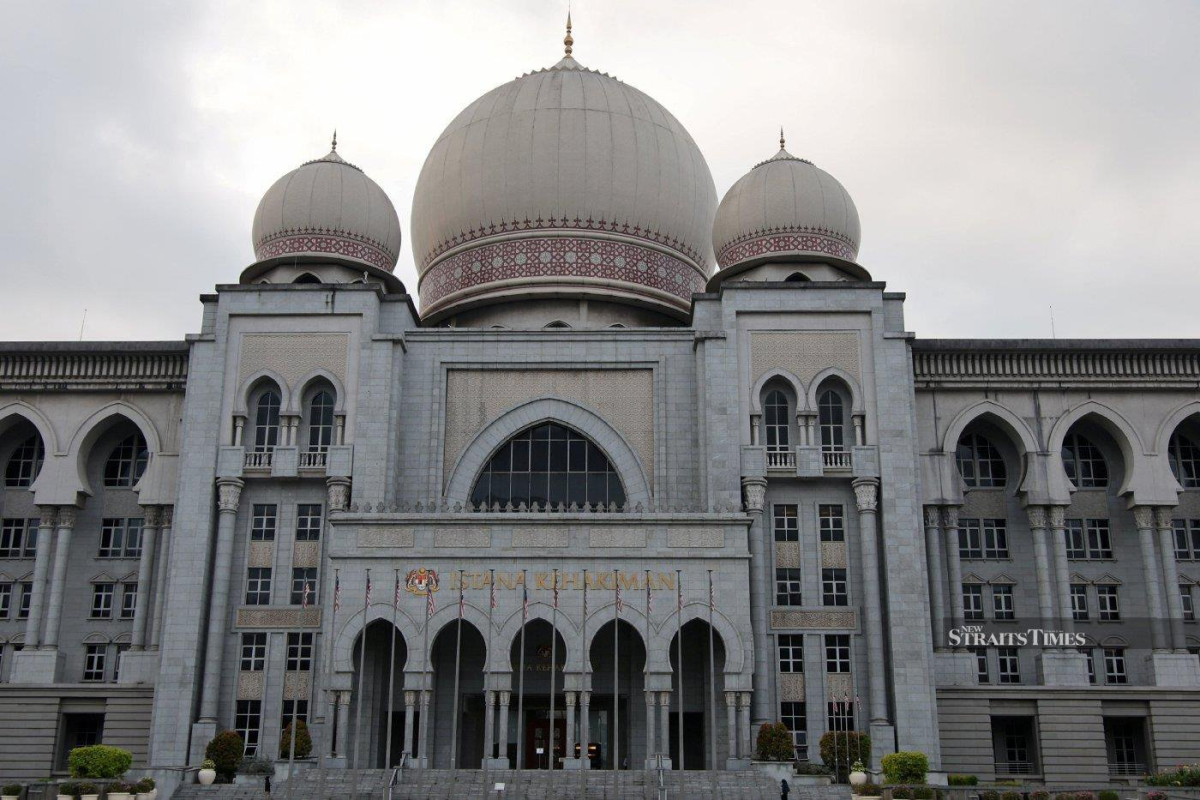
On May 15, 2026, the Kuala Lumpur High Court ruled that the government’s decision to exempt liquid and gel nicotine used in e-cigarettes and vape products from the Poisons List was “irrational.” The judicial review was filed by three non-governmental organisations against the Health Ministry and the government.
The court found that the exemption lacked proper or adequate consultation with the Poisons Board. It also said the main factor behind the delisting of liquid nicotine was linked to the 2023 Budget, when the Finance Minister proposed imposing excise duties on e-cigarettes and vape liquids containing nicotine.
According to the court, by legalising liquid or gel nicotine in e-cigarettes and vapes, the government could tax such products and channel the revenue toward health initiatives under the Health Ministry.
The ruling has placed Malaysia’s nicotine vape regulatory foundation in a complex position. If liquid nicotine remains a substance on the Poisons List, retail sales may be restricted under the Poisons Act framework. If the government continues collecting duties and taxes, however, the products are effectively still being treated as taxable consumer goods in policy implementation.
This contradiction sits at the center of the current dispute. The Finance Ministry is waiting for the Court of Appeal to clarify the legal position, while public health groups argue that the High Court ruling has already opened a legal window for tighter controls or a nicotine vape ban.
Vape Ban Debate Intensifies
Malaysia’s government has recently sent multiple signals on vape policy. On one hand, Health Minister Dzulkefly Ahmad has said a nationwide vape ban is a matter of “when, not if,” and that the Health Ministry is aiming to ban vape this year. On the other hand, the Health Ministry and the government have appealed the High Court’s ruling that quashed the liquid nicotine exemption.
That creates policy tension. If the government intends to move toward a national ban, maintaining the High Court decision could support a return to stricter control of liquid nicotine. If the government succeeds on appeal, the current pathway of managing nicotine vapes through taxation and regulation may remain in place.
Public health groups have criticised the appeal, saying it appears inconsistent with earlier commitments to tighten vape control and protect children from nicotine addiction. Some groups have called on the government to withdraw the appeal and use the High Court ruling to pursue stricter regulation or a national ban.
For the industry, the current situation means policy risk has not been reduced merely because the Finance Ministry is maintaining tax collection. Continued taxation may prevent immediate market disruption, but it does not remove the medium- and long-term uncertainty created by the court ruling, the appeal and possible ban policy.
Industry Faces Three Layers of Uncertainty
Malaysia’s nicotine vape industry now faces three layers of uncertainty.
The first is legal status. If the Court of Appeal upholds the High Court ruling, the legal basis for exempting liquid and gel nicotine from the Poisons List will remain invalid, potentially requiring major changes to nicotine vape retail sales and tax collection.
The second is taxation and pricing. If the government ultimately stops or restructures nicotine vape taxation, product costs, retail prices, inventory management and import arrangements could all be affected. For compliant operators, taxed inventory, unsold stock and future customs clearance will require clear policy guidance.
The third is ban policy. Malaysia has recently faced controversies over synthetic drugs mixed into vape liquids, youth use and road-safety risks. Police and health-authority attention to vape-related harms could push the government from tax-based regulation toward stricter limits or a full ban.
At the market level, legitimate operators may need to manage supply chains, inventory and channel expansion more cautiously. If the courts ultimately confirm that the liquid nicotine exemption was unlawful, the industry could face a shift from a taxable regulated market back toward a poisons-control framework.
At the regulatory level, the government must resolve two questions: how to align continued taxation with the High Court ruling, and whether a future vape ban or stricter regulation still requires maintaining the liquid nicotine exemption and related tax mechanism.
Key issues to watch include the Court of Appeal hearing timeline, whether there is any stay of execution, whether the Finance Ministry adjusts tax collection guidance, and whether the Health Ministry continues to pursue a nationwide vape ban.
Follow 2Firsts for the latest updates on global tobacco harm reduction, nicotine products and regulatory developments.
Cover image: CodeBlue
Disclaimer
This article is provided solely for professional research, industry discussion, and informational purposes. Any references to brands, companies, products, technologies, or policies are made for factual reporting and analytical purposes only, and do not constitute endorsement, recommendation, promotion, or advertising by 2Firsts.
Nicotine-containing products, including but not limited to cigarettes, e-cigarettes, heated tobacco products, and nicotine pouches, carry significant health risks. Readers are responsible for complying with all applicable laws and regulations in their respective jurisdictions, including age restrictions and access limitations.
The information contained in this article should not be regarded as investment, legal, medical, regulatory, or commercial advice. While 2Firsts strives to ensure the accuracy and reliability of its content, it does not assume liability for any direct or indirect loss arising from errors, omissions, inaccuracies, or reliance on the information contained herein.
This article is not intended for individuals below the legal age for accessing tobacco or nicotine-related information in their jurisdiction.
Copyright Notice
This article is either original content produced by 2Firsts or content reproduced, translated, summarized, or adapted from third-party sources with attribution where applicable. The intellectual property rights of the original content remain with 2Firsts or the respective original rights holders.
No individual or organization may copy, reproduce, distribute, republish, modify, translate, or otherwise use this content without prior authorization. Any unauthorized use may result in legal action.
For copyright-related inquiries, corrections, or removal requests, please contact: info@2firsts.com.
AI-Assisted Translation and Editing Notice
Portions of this article may have been translated, edited, or reviewed with the assistance of artificial intelligence tools to improve efficiency and readability. Due to the limitations of AI-assisted translation and editing, discrepancies, omissions, or inaccuracies may exist when compared with the original source.
Where applicable, readers are advised to refer to the original source for the most complete and accurate information. If you identify any errors or believe that any content infringes upon your rights, please contact us at info@2firsts.com, and we will review and address the matter promptly.