New Law in Russia Increases Penalties for Selling Tobacco to Minors

Feb.21.2025
New Law in Russia Increases Penalties for Selling Tobacco to Minors
Amendments to the Administrative Violations Code in Russia have increased penalties for selling tobacco to minors, effective February 14.

According to INTERFAX on February 14, the amendment to the Administrative Violations Law, which aims to increase penalties for selling tobacco products to minors, officially went into effect on Friday, the 14th.


The amendment stipulates that violators can face a maximum fine of 2 million rubles (20,000 US dollars). The bill was jointly drafted by the Chairman of the Russian State Duma, Vyacheslav Volodin, and leaders of various political parties.


Volodin, in his evaluation of the law, pointed out that despite the previous ban on selling tobacco products to minors, there are still people who continue to break the law.


According to a survey, over 70% of teenagers aged 11 to 17 said they were never asked for identification when purchasing e-cigarettes or tobacco products. If adults fail to understand their responsibility to protect the health and safety of children, or worse, attempt to profit from it, there must be increased fines and legal consequences to deter such behavior.


We welcome news tips, article submissions, interview requests, or comments on this piece.

Please contact us at info@2firsts.com, or reach out to Alan Zhao, CEO of 2Firsts, on LinkedIn


Notice

1.  This article is intended solely for professional research purposes related to industry, technology, and policy. Any references to brands or products are made purely for objective description and do not constitute any form of endorsement, recommendation, or promotion by 2Firsts.

2.  The use of nicotine-containing products — including, but not limited to, cigarettes, e-cigarettes, nicotine pouchand heated tobacco products — carries significant health risks. Users are responsible for complying with all applicable laws and regulations in their respective jurisdictions.

3.  This article is not intended to serve as the basis for any investment decisions or financial advice. 2Firsts assumes no direct or indirect liability for any inaccuracies or errors in the content.

4.  Access to this article is strictly prohibited for individuals below the legal age in their jurisdiction.


Copyright


This article is either an original work created by 2Firsts or a reproduction from third-party sources with proper attribution. All copyrights and usage rights belong to 2Firsts or the original content provider. Unauthorized reproduction, distribution, or any other form of unauthorized use by any individual or organization is strictly prohibited. Violators will be held legally accountable.

For copyright-related inquiries, please contact: info@2firsts.com


AI Assistance Disclaimer


This article may have been enhanced using AI tools to improve translation and editorial efficiency. However, due to technical limitations, inaccuracies may occur. Readers are encouraged to refer to the cited sources for the most accurate information.

We welcome any corrections or feedback. Please contact us at: info@2firsts.com

South Korea Vape Strategies Diverge as BAT Reconsiders Exit and PMI Takes VEEV to About 14,000 Stores
BAT Rothmans says it previously considered exiting South Korea's vaping market because of competitive pressure from unregulated products, but is now reassessing conditions following changes to the country's nicotine regulatory framework. Vuse and other BAT vaping products remain available through existing distribution channels. The statement followed a South Korean media report that interpreted BAT's broader withdrawal from selected Vapour markets as a full exit from South Korea. Meanwhile, Philip Morris International launched VEEV inPRIME in the country in June and began expanding distribution to around 14,000 convenience stores and other retail channels in July. The contrasting moves highlight differing investment strategies as South Korea's regulated vaping market evolves.
Aug.14
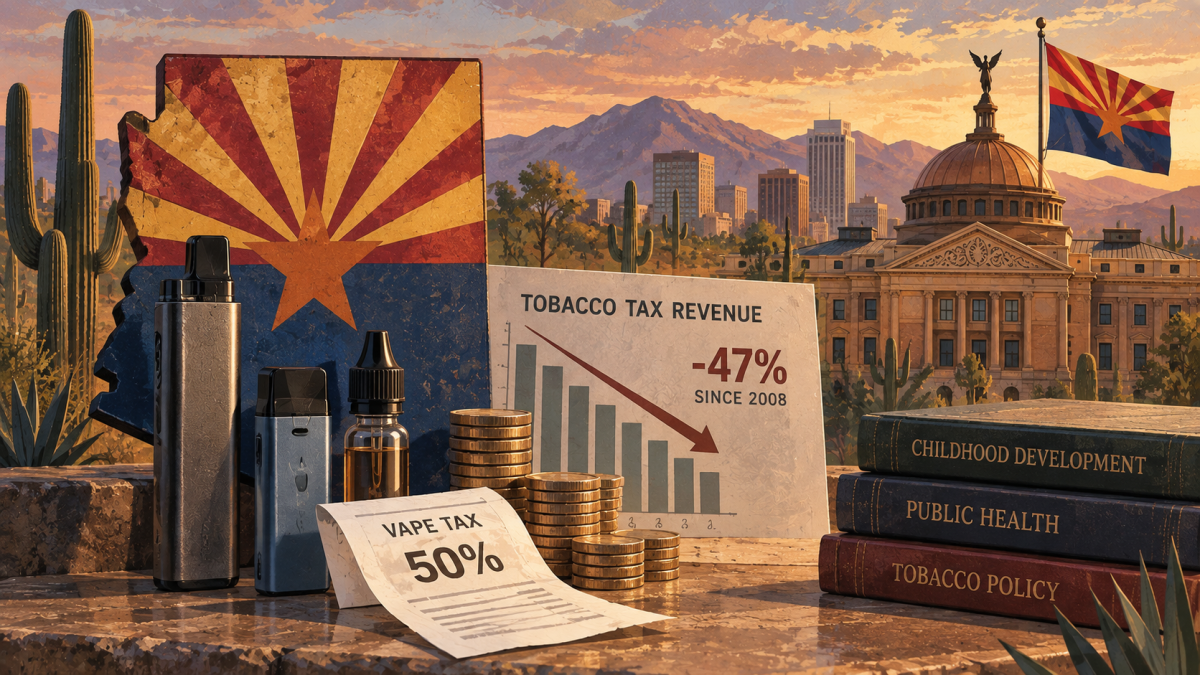
Arizona Turns to a 50% Retail Vape Tax as Tobacco Tax Revenue Falls 47% From 2008
Arizona's First Things First is pushing for an excise tax equal to 50% of the retail price of vaping products, estimating that the measure could generate about $100 million annually. The agency says its tobacco-tax revenue has fallen 47% from 2008 levels. Arizona has attempted to broaden its nicotine tax base in each of the past two years: a 2025 bill proposed a 50% wholesale-price tax, while a 2026 measure shifted to a 50% retail-price tax covering alternative nicotine products and vapor products. Separately, the state enacted HB 4001 this year to establish a new licensing and sales framework for alternative nicotine products.
Sep.21
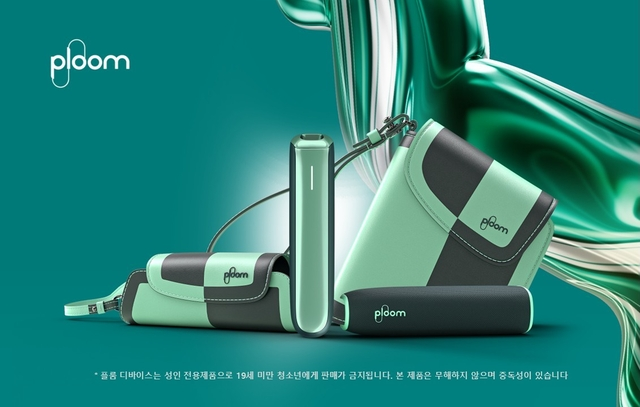
Product | JTI Launches Ploom AURA Teal Electric Pop in South Korea, Its First Dual-Color Edition
JTI Korea launched the Ploom AURA Teal Electric Pop limited edition in South Korea on September 1, 2026, marking the first dual-color design in the Ploom AURA range. The device combines a dark green body with teal accents and is accompanied by matching Front Panel, Back Cover and Pocket Bag accessories. The standalone device is priced at KRW 29,000, with three additional device-and-accessory bundles available. The release continues JTI Korea's use of limited colorways and interchangeable accessories to expand the Ploom AURA portfolio without introducing a new hardware platform.
Sep.03
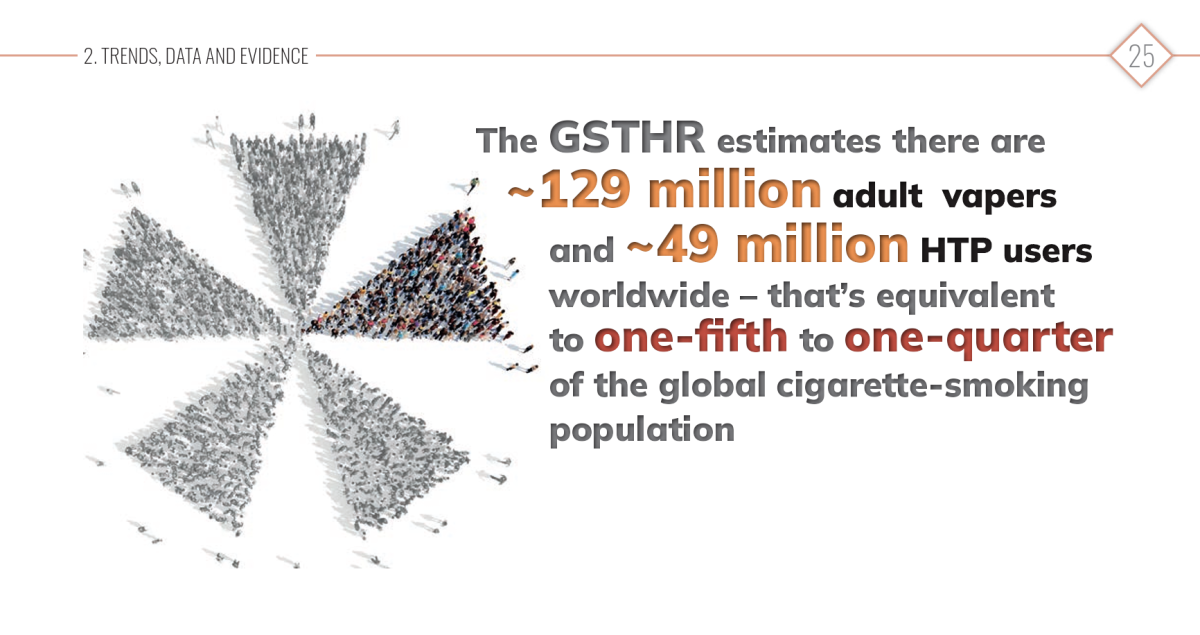
GSTHR Estimates 200 Million People Use Non-Combustible Nicotine Products as 28 Countries Show Rising Use Alongside Falling Smoking Rates
The Global State of Tobacco Harm Reduction, a project operated by Knowledge·Action·Change, estimates that about 200 million people worldwide use non-combustible nicotine products including vapes, heated tobacco, nicotine pouches and snus. Its 2026 report says use of these products rose alongside declining smoking rates in 28 countries it analyzed. The data do not establish that all 200 million users have quit smoking, nor do they prove a direct causal relationship. GSTHR also says regulatory restrictions on the products continue to expand in many markets.
Sep.10
JTI Proposes 25-Cent Irish Cigarette Tax Increase, Says It Could Raise €45 Million
Japan Tobacco International's Irish business has proposed a €0.25 tax increase on a pack of 20 cigarettes in its pre-Budget 2027 submission, below the €0.50-or-more increases typically imposed in recent Irish budgets. JTI says the proposal could generate around €45 million in additional Exchequer revenue while limiting further movement toward illicit and non-Irish-tax-paid tobacco. Revenue's existing estimate for a comparable €0.25 increase, including pro-rata rises on other tobacco products, is about €18 million for a full year.
JTI
Sep.18 by 2Firsts Perspectives
Australian Coalition Taskforce Calls for 80% Tobacco Tax Cut to Combat Illicit Market
According to SGST on August 26, 2026, Australia’s Coalition Illegal Tobacco Taskforce released a report recommending an up to 80% cut in tobacco excise to reduce the appeal of the illicit tobacco market. The report claimed organised crime groups now control about 80% of Australia’s tobacco market and argued that high excise rates have widened the price gap between legal and illegal products. The recommendation remains a policy proposal and has not been adopted by the Australian government, which said its focus remains on enforcement, compliance and additional resources.
Aug.27