Key Points
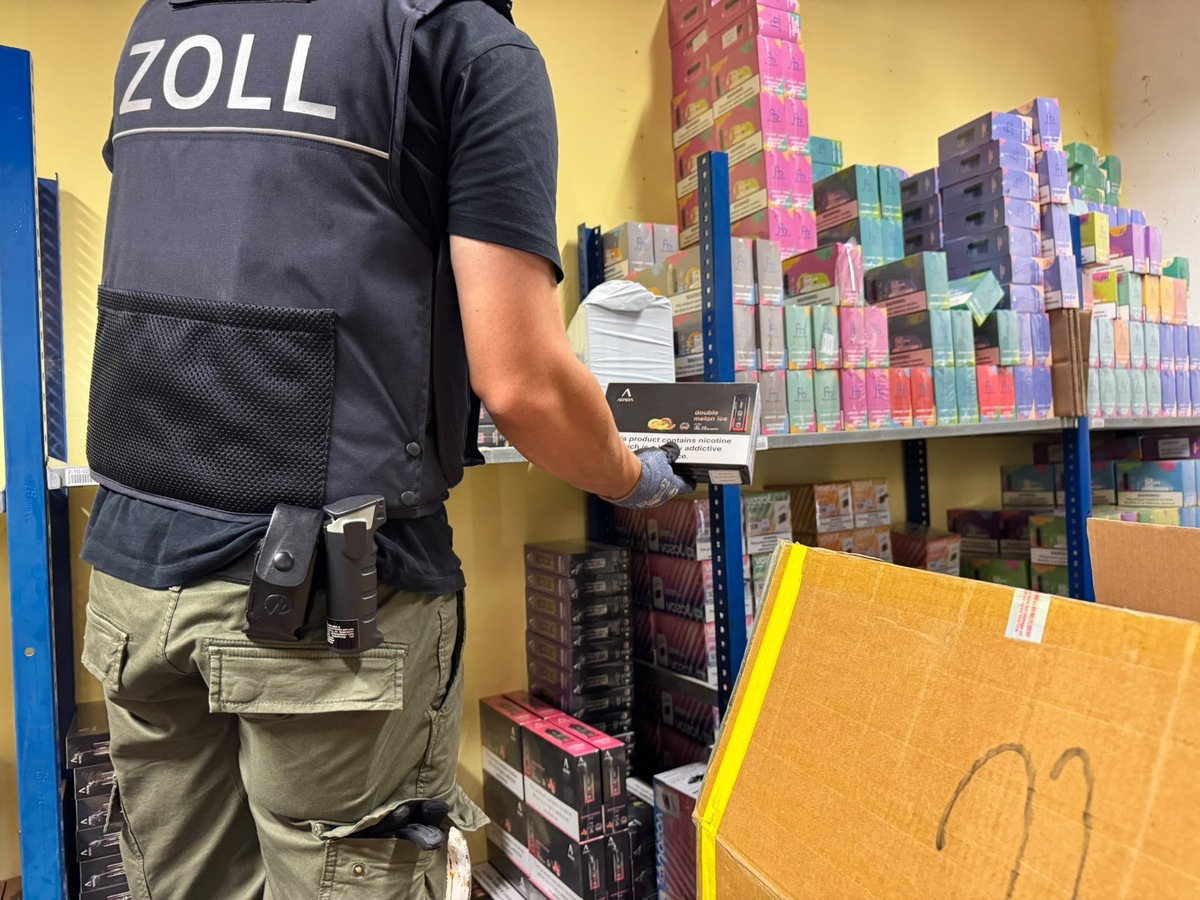
- Philippine Customs seized illegal cigarette and vape products worth about PHP11.68 billion from January to July 2026.
- The amount exceeded the PHP2.516 billion seized during all of 2025.
- Illegal vape seizures were valued at about PHP1.65 billion, mostly recorded at the Manila International Container Port.
- The data was disclosed during a House Committee on Ways and Means hearing on tobacco excise tax reforms.
- Seizure values reflect enforcement results and do not directly represent the size of the illicit market.
2Firsts
August 26, 2026
Philippine Customs data showed that illegal cigarettes and vape products seized during the first seven months of 2026 reached about PHP11.68 billion, exceeding the PHP2.516 billion recorded for the full year of 2025, local media Inquirer reported on August 25.
The figures were disclosed by Noel Estanislao, acting head of the Bureau of Customs’ Enforcement and Security Service, during a House Committee on Ways and Means hearing on tobacco excise tax policy.
The Bureau of Customs said it would continue strengthening enforcement against illicit tobacco trade.
Illegal Tobacco Seizure Value Surges in First Seven Months
According to Customs data, illegal cigarette and vape products seized between January and July 2026 were valued at about PHP11.68 billion.
The figure compares with about PHP2.516 billion in seizures recorded during the whole of 2025.
Based on the reported figures, seizures in the first seven months of 2026 were about 4.6 times higher than the full-year 2025 level.
However, seizure values reflect enforcement activity rather than the total size of the illicit market. Changes can be influenced by enforcement intensity, case volume, shipment size and valuation methods.
Vape Seizures Reach PHP1.65 Billion, Concentrated at Manila Port
Vape products represented a significant portion of the illicit products seized by Philippine Customs in 2026.
Based on disclosed figures, illegal vape products seized during the period were valued at about PHP1.65 billion.
The Manila International Container Port accounted for nearly all vape-related seizure value, at about PHP1.649 billion.
Other ports recorded much smaller amounts, including:
● Port of Batangas: about PHP4.43 million;
● Port of Cebu: about PHP23,000;
● Port of Clark: about PHP6,000.
The data indicates that detected illicit vape shipments were highly concentrated at major container gateways.
However, seizure locations only reflect detected cases and do not necessarily represent all routes used for illicit imports.
Cigarette Seizures Spread Across Multiple Ports
Unlike vape seizures, illegal cigarette and tobacco seizures were distributed across several major ports.
The largest reported seizure values included:
● Surigao: about PHP2.19 billion;
● Manila International Container Port: about PHP2.10 billion;
● Zamboanga: about PHP2.06 billion;
● Cebu: about PHP1.83 billion.
The distribution shows that illicit tobacco activity involves multiple logistics channels, while vape-related seizures were more concentrated at major container ports.
Data Released During Tobacco Tax Reform Discussions
The seizure figures were disclosed during House Committee on Ways and Means discussions on tobacco excise tax reforms.
The Philippine government has proposed changes to cigarette excise taxation, including a uniform cigarette excise tax rate of PHP72.93 per pack, followed by annual 5% indexation.
The hearing examined issues including tobacco taxation, public health objectives and illicit trade enforcement.
However, available information does not indicate that Customs officials attributed the rise in seizures directly to higher tax rates.
The data was presented primarily as an indication of enforcement pressure and the need for continued border monitoring.
Philippines Expands Illicit Tobacco and Vape Enforcement
The Philippines has continued strengthening enforcement against illicit tobacco products, including:
● Increased port inspections;
● Tracking of illegal import channels;
● Seizures of undeclared or unauthorized tobacco and vape products.
For the vape industry, Customs data shows that electronic cigarette products have become an important component of illicit import enforcement.
However, seizure figures represent enforcement outcomes and cannot independently determine the overall size of the vape market or consumer demand.
Follow 2Firsts for the latest developments in global vape and next-generation tobacco regulation, market trends and enforcement actions.
Cover Image Source: Inquirer
Disclaimer
This article is provided solely for professional research, industry discussion, and informational purposes. Any references to brands, companies, products, technologies, or policies are made for factual reporting and analytical purposes only, and do not constitute endorsement, recommendation, promotion, or advertising by 2Firsts.
Nicotine-containing products, including but not limited to cigarettes, e-cigarettes, heated tobacco products, and nicotine pouches, carry significant health risks. Readers are responsible for complying with all applicable laws and regulations in their respective jurisdictions, including age restrictions and access limitations.
The information contained in this article should not be regarded as investment, legal, medical, regulatory, or commercial advice. While 2Firsts strives to ensure the accuracy and reliability of its content, it does not assume liability for any direct or indirect loss arising from errors, omissions, inaccuracies, or reliance on the information contained herein.
This article is not intended for individuals below the legal age for accessing tobacco or nicotine-related information in their jurisdiction.
Copyright Notice
This article is either original content produced by 2Firsts or content reproduced, translated, summarized, or adapted from third-party sources with attribution where applicable. The intellectual property rights of the original content remain with 2Firsts or the respective original rights holders.
No individual or organization may copy, reproduce, distribute, republish, modify, translate, or otherwise use this content without prior authorization. Any unauthorized use may result in legal action.
For copyright-related inquiries, corrections, or removal requests, please contact: info@2firsts.com.
AI-Assisted Translation and Editing Notice
Portions of this article may have been translated, edited, or reviewed with the assistance of artificial intelligence tools to improve efficiency and readability. Due to the limitations of AI-assisted translation and editing, discrepancies, omissions, or inaccuracies may exist when compared with the original source.
Where applicable, readers are advised to refer to the original source for the most complete and accurate information. If you identify any errors or believe that any content infringes upon your rights, please contact us at info@2firsts.com, and we will review and address the matter promptly.