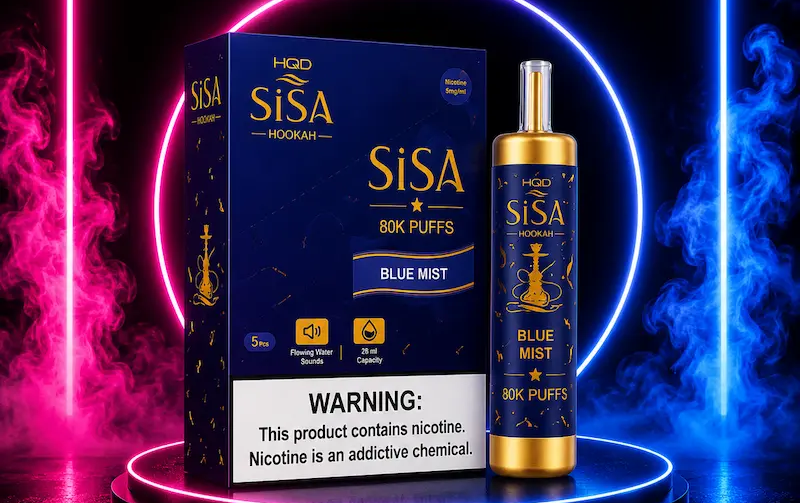
Although it remained stable in 2020, the rate of nicotine use among young people has gradually increased over the past four years and continues to show an overall upward trend in 2021. The proportion of those using cannabis significantly decreased in 2020, but has rebounded to pre-pandemic levels in 2021.
Researchers collected survey data online from April 2021 to October 2021. The main findings for the group of young people included:
Marijuana use: over the past year, past month, and daily marijuana use (using 20 or more times within the past 30 days) has reached its highest level since monitoring these trends began in 1988. In 2021, 29% of young people reported using marijuana in the past month, compared to 21% five years ago (2016) and 17% ten years ago (2011). During these time periods, daily marijuana use has also significantly increased. In 2021, 11% of young people reported daily marijuana use, a significant increase compared to 8% in 2016 and 6% in 2011.
E-cigarettes: Although the use of nicotine e-cigarettes remained stable in 2020 during the early stages of the pandemic, there has been a significant increase among young people in the past month of 2021. This continued growth reflects a long-term upward trend: in 2021, the popularity of nicotine e-cigarettes has almost tripled, reaching 16%, compared to 6% when this behavior was first recorded in 2017. In the past month, the use of marijuana among young people significantly decreased in 2020, but in 2021 it has rebounded to pre-pandemic levels. Since marijuana use was included in studies in 2017, the past month's popularity has doubled, from 6% in 2017 to 12% in 2021.
According to the survey, compared to 10 years ago, there has been a significant decrease in the past year in the number of young people smoking and using non-medical opioid drugs in the past month (as surveyed "excluding heroin"). The use of these two substances has been steadily declining over the past decade.
The legalization of medical and recreational marijuana has increased accessibility and reduced legal consequences for its use. This change in law has accompanied a shift in attitudes, with many people believing that marijuana is generally quite safe, according to Kevin Boehnke, a researcher at the Michigan Medicine Anesthesiology and Chronic Pain and Fatigue Research Center.
Boehnke's research examines the trend of using marijuana and hallucinogens to treat pain and other mental and physical health conditions. He notes that, from a safety perspective, there is evidence to support that the risk of fatal overdose from marijuana is lower than that of alcohol and almost all other drugs, making it an attractive alternative for recreational or medical use.
Ultimately, it appears that more and more people, especially young people, are becoming aware of the moral bankruptcy and scientific ineffectiveness of the war on drugs policy, and increasingly questioning the harm caused by cannabis.
Declaration:
This article is compiled from third-party information and is intended for industry-related communication and learning purposes only.
This article does not represent the views of 2FIRSTS and 2FIRSTS cannot confirm the authenticity or accuracy of its content. The translation of this article is intended for industry exchange and research purposes only.
Due to limitations in our ability to accurately translate, the translated article may not fully reflect the original text. Please refer to the original text for accuracy.
In regards to any domestic, Hong Kong, Macao, Taiwan, or foreign affairs, 2FIRSTS maintains complete alignment with the Chinese government.
The copyright of compiled information belongs to the original media and author. If there is any infringement, please contact us for deletion.
Disclaimer
This article is provided solely for professional research, industry discussion, and informational purposes. Any references to brands, companies, products, technologies, or policies are made for factual reporting and analytical purposes only, and do not constitute endorsement, recommendation, promotion, or advertising by 2Firsts.
Nicotine-containing products, including but not limited to cigarettes, e-cigarettes, heated tobacco products, and nicotine pouches, carry significant health risks. Readers are responsible for complying with all applicable laws and regulations in their respective jurisdictions, including age restrictions and access limitations.
The information contained in this article should not be regarded as investment, legal, medical, regulatory, or commercial advice. While 2Firsts strives to ensure the accuracy and reliability of its content, it does not assume liability for any direct or indirect loss arising from errors, omissions, inaccuracies, or reliance on the information contained herein.
This article is not intended for individuals below the legal age for accessing tobacco or nicotine-related information in their jurisdiction.
Copyright Notice
This article is either original content produced by 2Firsts or content reproduced, translated, summarized, or adapted from third-party sources with attribution where applicable. The intellectual property rights of the original content remain with 2Firsts or the respective original rights holders.
No individual or organization may copy, reproduce, distribute, republish, modify, translate, or otherwise use this content without prior authorization. Any unauthorized use may result in legal action.
For copyright-related inquiries, corrections, or removal requests, please contact: info@2firsts.com.
AI-Assisted Translation and Editing Notice
Portions of this article may have been translated, edited, or reviewed with the assistance of artificial intelligence tools to improve efficiency and readability. Due to the limitations of AI-assisted translation and editing, discrepancies, omissions, or inaccuracies may exist when compared with the original source.
Where applicable, readers are advised to refer to the original source for the most complete and accurate information. If you identify any errors or believe that any content infringes upon your rights, please contact us at info@2firsts.com, and we will review and address the matter promptly.