Key Takeaways
- Etomidate has been listed as a Class C drug under the Misuse of Drugs Act since Sept 1, 2025, amid increased reports of etomidate-laced vapes (Kpods) used by youths.
- Temporary provisions were slated to expire on Feb 28, 2026; Shanmugam said the listing will continue while MOH drafts amendments.
- A Bill will be tabled in Parliament in the first half of 2026 to tackle the e-vaporiser issue, with provisions also covering etomidate.
- Non-etomidate vapes are policed under the Tobacco (Control of Advertisements and Sale) Act, with HSA as the lead agency.
- MOH and HSA reported 3,534 people caught and fined for owning and using vapes in the last four months of 2025, including 366 Kpod abusers.
2Firsts, February 5, 2026
According to The Straits Times, Singapore will extend temporary drug control measures that classify the anaesthetic agent etomidate as a Class C drug, while finalising broader legislative amendments aimed at addressing the use and trade of e-vaporisers.
Coordinating Minister for National Security and Home Affairs Minister K. Shanmugam said etomidate would continue to be regulated under the Misuse of Drugs Act (MDA) as the Ministry of Health prepares amendments to existing laws. A Bill is expected to be tabled in Parliament in the first half of 2026, he said in a written parliamentary reply cited by the newspaper.
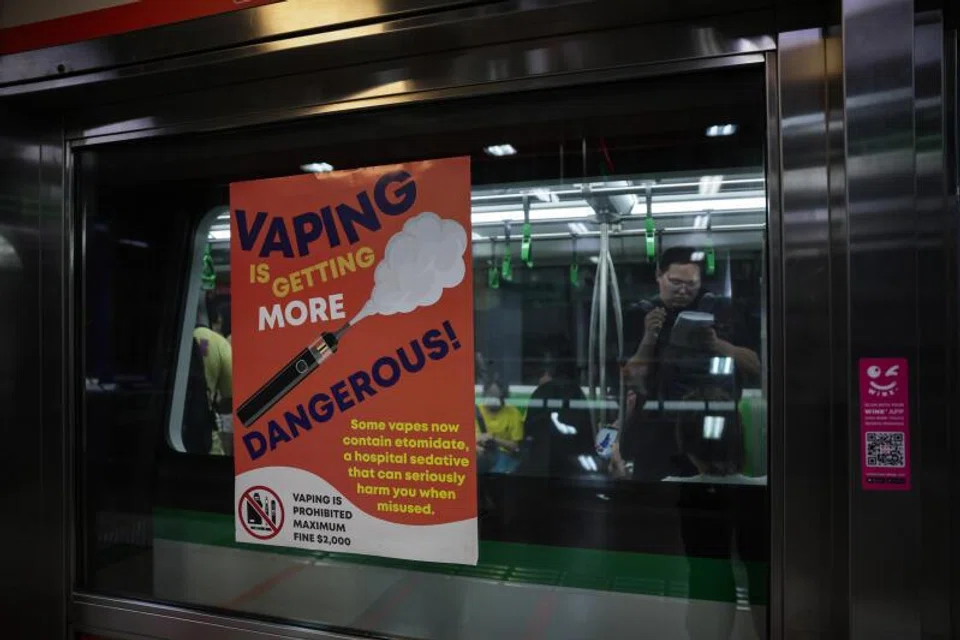
Etomidate was placed under the MDA from Sept 1, 2025, following a rise in cases involving young people vaping etomidate-laced pods, commonly known as Kpods, The Straits Times reported. The temporary provisions, which allow for tougher penalties against abusers and traffickers, were originally due to expire on Feb 28, 2026.
Prior to the reclassification, etomidate had been regulated under the Poisons Act as a medicinal ingredient used in clinical settings. Authorities have warned that inhalation through vaping can cause serious adverse effects, including spasms, breathing difficulties and seizures.
Non-etomidate e-vaporisers are currently enforced under the Tobacco (Control of Advertisements and Sale) Act, with the Health Sciences Authority (HSA) acting as the lead agency. The HSA told The Straits Times that Singapore’s strict anti-vaping stance would remain unchanged.
Under existing law, individuals who import, distribute or sell e-vaporisers may face fines of up to S$10,000 or up to six months’ imprisonment for a first offence, with higher penalties for repeat offences. In contrast, offences involving etomidate-laced vapes under the MDA carry significantly heavier sentences, including multi-year imprisonment and caning.
The HSA said it regularly reviews sentencing frameworks and considers factors such as the number of devices involved, whether the offence is commercial in nature, and the potential public health impact when determining enforcement action, according to the report.
Image Source: The Straits Times