Key Points
- France’s Council of State suspended enforcement of a nicotine pouch decree;
- The decree targeted manufacturing, production and export;
- It was scheduled to take effect on April 1, 2026;
- The court cited insufficient adjustment time for companies;
- A ruling on the merits is expected by June 2026.
2Firsts, December 2025,23 – According to AFP, France’s Council of State has suspended a government decree that was due to ban the manufacture, production and export of nicotine pouches starting in April 2026.
In its ruling, the Council stated that enforcement of the decree is suspended insofar as it prohibits the manufacture, production and export of oral nicotine products. It added that the commercial sale of such products is already prohibited under other legal provisions.
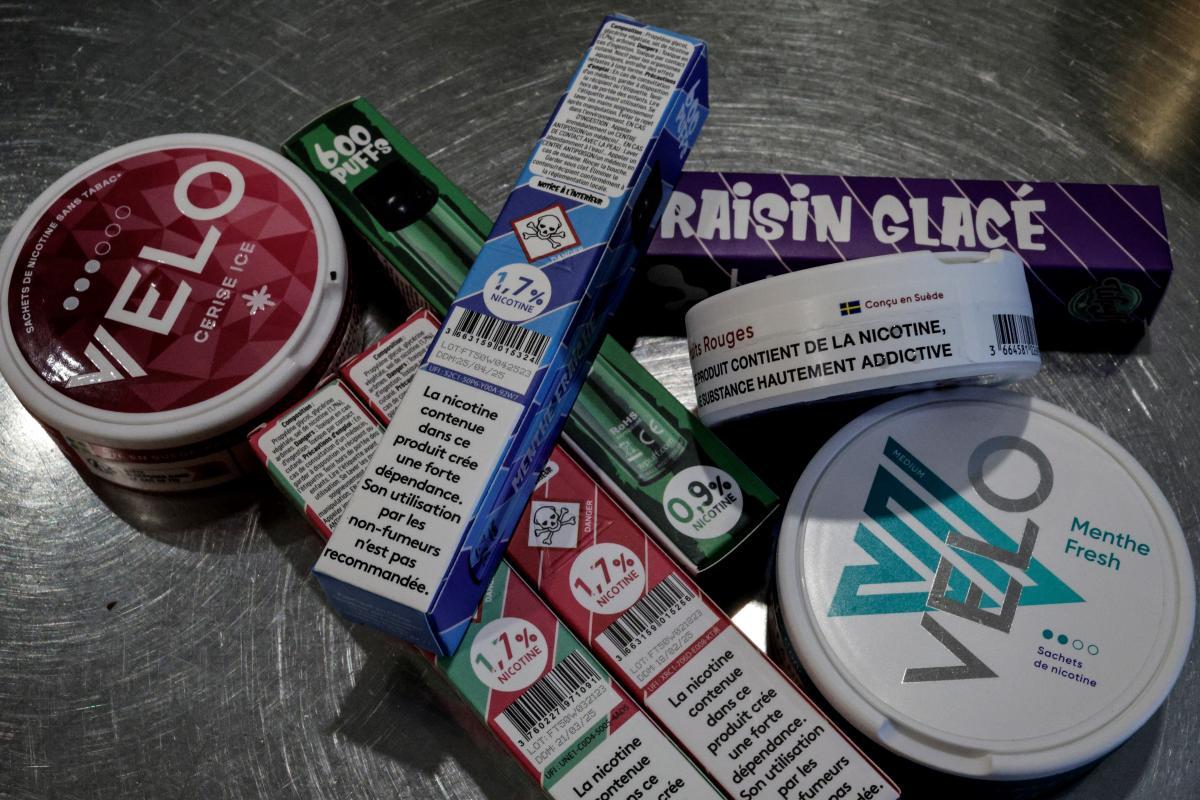
The decree, adopted by the French government in early September, aimed to ban nicotine pouches, beads and gums. Anti-smoking groups had welcomed the move, citing growing use among adolescents.
The ban was scheduled to take effect on April 1, 2026, as part of a broader set of anti-tobacco measures in France, including a ban on disposable e-cigarettes and smoking in all public spaces.
The EVLB group, which manufactures nicotine-based products, challenged the decree before the Council of State, arguing that it violated European Union free trade rules and that the timeline did not allow sufficient time to reorganise production.
While not ruling on the substance of the decree, the Council of State agreed that companies should have been granted until the end of June to relocate production. As a result, the court suspended the decree in its entirety under emergency proceedings and said it would rule on the merits by June 2026.
The Council also noted that the sale of nicotine pouches is already prohibited under the Public Health Code, except within a pharmaceutical framework, meaning the suspension does not change the current situation regarding their sale.
France’s Health Ministry told AFP it had taken note of the suspension and was awaiting the Council’s ruling on the merits, adding that the decision does not currently affect the ban on the sale or possession of nicotine pouches.
Serdar Kaya, president of the Confederation of Tobacco Retailers, said it was positive that the Council of State was taking the time to examine nicotine pouches scientifically, unlike what he described as the government’s rushed decision.
Image source: Agence France-Presse (AFP)
We welcome news tips, article submissions, interview requests, or comments on this piece.
Please contact us at info@2firsts.com, or reach out to Alan Zhao, CEO of 2Firsts, on LinkedIn
Notice
1. This article is intended solely for professional research purposes related to industry, technology, and policy. Any references to brands or products are made purely for objective description and do not constitute any form of endorsement, recommendation, or promotion by 2Firsts.
2. The use of nicotine-containing products — including, but not limited to, cigarettes, e-cigarettes, nicotine pouchand heated tobacco products — carries significant health risks. Users are responsible for complying with all applicable laws and regulations in their respective jurisdictions.
3. This article is not intended to serve as the basis for any investment decisions or financial advice. 2Firsts assumes no direct or indirect liability for any inaccuracies or errors in the content.
4. Access to this article is strictly prohibited for individuals below the legal age in their jurisdiction.
Copyright
This article is either an original work created by 2Firsts or a reproduction from third-party sources with proper attribution. All copyrights and usage rights belong to 2Firsts or the original content provider. Unauthorized reproduction, distribution, or any other form of unauthorized use by any individual or organization is strictly prohibited. Violators will be held legally accountable.
For copyright-related inquiries, please contact: info@2firsts.com
AI Assistance Disclaimer
This article may have been enhanced using AI tools to improve translation and editorial efficiency. However, due to technical limitations, inaccuracies may occur. Readers are encouraged to refer to the cited sources for the most accurate information.
We welcome any corrections or feedback. Please contact us at: info@2firsts.com