Key Points:
Recruitment details: The Singapore Health Sciences Authority (HSA) is hiring investigators to combat e-cigarettes containing etomidate. The work covers law enforcement, surveillance, international cooperation, and preventive education. Applications close on August 24, and LinkedIn has already received more than 100 applications.
Background and support: Due to the widespread presence of etomidate-containing e-cigarettes, the Ministry of Health (MOH) requested assistance from the Ministry of Home Affairs (MHA). The MHA will deploy officers to participate in law enforcement as well as in the supervision, treatment, and rehabilitation of users.
Legislative progress: Authorities are advancing efforts to classify etomidate as a Class C controlled drug under the Misuse of Drugs Act. The MHA is expected to take interim measures in the coming weeks.
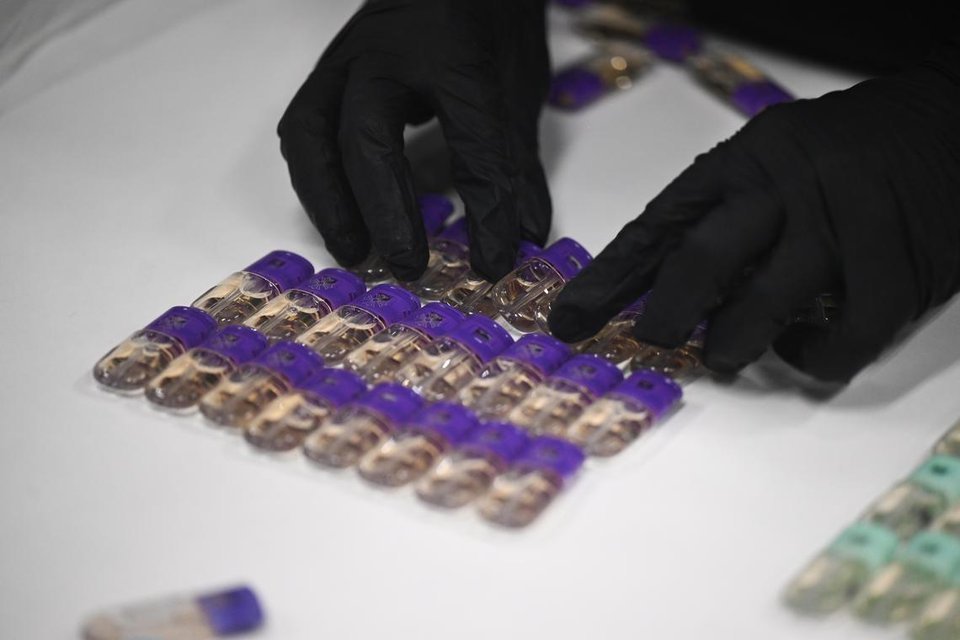
According to an August 13 report by The Straits Times, the HSA has issued a recruitment notice specifically to hire investigators to combat e-cigarettes containing etomidate (also known as Kpods).
Based on job postings on LinkedIn and the government recruitment portal (Careers@Gov), the HSA is hiring full-time investigators and senior investigators to join a team responsible for a range of enforcement activities to safeguard public health.
These duties include arresting individuals who use e-cigarettes containing etomidate, conducting surveillance on crimes related to the import, sale, and smuggling of such products, and cooperating with international law enforcement agencies such as Interpol.
The job postings, published around August 12, indicate that investigators will also be required to conduct preventive education talks for youths, stakeholders, and organizations.
More than 100 applications have already been received via LinkedIn.
The application deadline for these positions is August 24.
Previously, the Ministry of Health (MOH) had requested assistance from the Ministry of Home Affairs (MHA) to address the proliferation of etomidate-containing e-cigarettes. This recruitment drive follows that request.
On July 30, Minister for Home Affairs K. Shanmugam stated that the MHA would deploy officers to work at the HSA.
In addition to enforcement, these officers will assist in the supervision, treatment, and rehabilitation of users.
Authorities are still pushing to classify etomidate as a Class C controlled drug under the Misuse of Drugs Act.
The MHA is expected to take interim measures in the coming weeks, while the MOH continues to explore further legislative action.
If etomidate is classified as a Class C drug, users could be placed under supervision, required to undergo rehabilitation programs, or committed to drug rehabilitation centers, similar to the treatment of other drug users.
Under current law, possession, use, or purchase of e-cigarettes carries a maximum fine of S$2,000 (about US$1,561).
Anyone who distributes, imports, or sells e-cigarettes and their components can be sentenced to a maximum of six months’ imprisonment and fined up to S$10,000 (about US$7,806).
If found in possession of or using e-cigarettes containing etomidate, offenders can be sentenced to up to two years’ imprisonment and fined up to S$10,000.
We welcome news tips, article submissions, interview requests, or comments on this piece.
Please contact us at info@2firsts.com, or reach out to Alan Zhao, CEO of 2Firsts, on LinkedIn
Notice
1. This article is intended solely for professional research purposes related to industry, technology, and policy. Any references to brands or products are made purely for objective description and do not constitute any form of endorsement, recommendation, or promotion by 2Firsts.
2. The use of nicotine-containing products — including, but not limited to, cigarettes, e-cigarettes, nicotine pouchand heated tobacco products — carries significant health risks. Users are responsible for complying with all applicable laws and regulations in their respective jurisdictions.
3. This article is not intended to serve as the basis for any investment decisions or financial advice. 2Firsts assumes no direct or indirect liability for any inaccuracies or errors in the content.
4. Access to this article is strictly prohibited for individuals below the legal age in their jurisdiction.
Copyright
This article is either an original work created by 2Firsts or a reproduction from third-party sources with proper attribution. All copyrights and usage rights belong to 2Firsts or the original content provider. Unauthorized reproduction, distribution, or any other form of unauthorized use by any individual or organization is strictly prohibited. Violators will be held legally accountable.
For copyright-related inquiries, please contact: info@2firsts.com
AI Assistance Disclaimer
This article may have been enhanced using AI tools to improve translation and editorial efficiency. However, due to technical limitations, inaccuracies may occur. Readers are encouraged to refer to the cited sources for the most accurate information.
We welcome any corrections or feedback. Please contact us at: info@2firsts.com