Key Points
- HMRC is encouraging the public to use its Report Tax Fraud service to flag suspicious high-street businesses, and personal details are not required.
- Vape shops, barber shops and convenience stores are among the types of premises drawing scrutiny in the government’s high-street organised-crime campaign.
- HMRC plans more than 30,000 interventions in 2026-27, including unannounced visits, tax and organised-crime investigations, seizures and warning letters.
- Enforcement covers tax fraud, money laundering, labour exploitation and illicit vape and tobacco sales.
- A High Street Organised Crime Unit launched in May with £30 million in funding to strengthen coordinated enforcement involving police, the NCA and Trading Standards.
2Firsts
August 17, 2026
Britain’s tax authority is urging members of the public to report vape shops and other high-street businesses suspected of tax fraud, money laundering or other illegal activity, allowing informants to withhold their personal details as authorities expand enforcement against organised crime in retail districts.
According to an Aug. 17 report by EDP24, HM Revenue & Customs is promoting its Report Tax Fraud service as part of a broader enforcement drive. HMRC plans more than 30,000 interventions on UK high streets in 2026-27 targeting tax fraud, organised crime and illegal activity, including illicit vape and tobacco sales.
Public Can Report Suspicious Businesses Without Giving Their Names
HMRC’s reporting service allows people to flag individuals or businesses they believe are evading tax or committing other types of fraud against the department.
Reports may include details about a business location, when suspicious conduct occurred and information about financial or tax-related activity.
Members of the public do not have to provide their names, addresses or contact details. HMRC says any personal information that is provided will be kept private and confidential.
The agency also advises people not to investigate suspected wrongdoing themselves or alert the business or individual being reported. Information submitted may be assessed alongside other intelligence before HMRC decides whether further action is warranted.
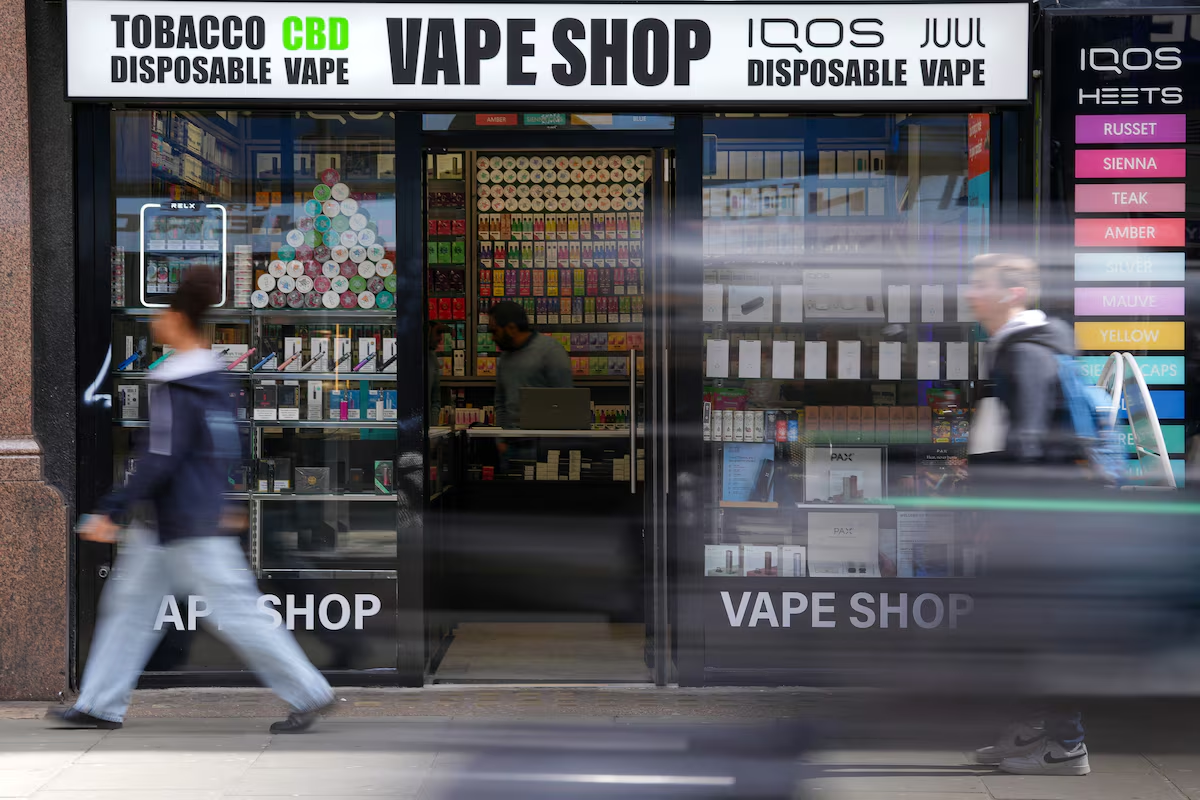
Vape shops and barber shops feature prominently in the latest reporting push after the government repeatedly identified such premises, alongside convenience stores and sweet shops, as areas of focus in its campaign against organised crime on Britain’s high streets.
More Than 30,000 HMRC Interventions Planned
HMRC said in June that it would carry out more than 30,000 interventions during 2026-27 targeting organised criminals, tax fraud and other illegal activity on UK high streets.
The measures include unannounced visits, tax and organised-crime investigations, seizures and warning letters.
HMRC also plans interventions involving money laundering, minimum-wage breaches and the sale of illicit goods including vapes and tobacco, as well as action against businesses that manipulate electronic sales records to hide income or launder money.
The department and partner agencies said investigations would also target the “controlling minds” and enablers behind harmful high-street businesses, including people suspected of using vape shops, barber shops, souvenir stores, sweet shops and convenience stores as fronts for money laundering or tax crime.
Illicit Vape Sales Draw Wider Crime Scrutiny
Recent UK enforcement actions show illicit vaping products being treated as part of a broader high-street crime problem rather than solely a product-compliance issue.
During a joint operation in central London in June, HMRC worked with Immigration Enforcement, Westminster Council Trading Standards and the Metropolitan Police to inspect six souvenir shops.
Trading Standards seized 289 disposable vapes along with counterfeit and unsafe goods, while HMRC downloaded till data for subsequent tax-compliance enquiries.
HMRC has also recruited 350 new criminal investigators to tackle small-business tax evasion. The government says around half of their work will focus specifically on harmful high-street businesses and the people behind them.
The campaign does not categorise vape shops or barber shops generally as criminal businesses. Enforcement is directed at specific premises suspected of illegal conduct or identified through intelligence.
£30 Million Backs High-Street Organised Crime Drive
The government established a High Street Organised Crime Unit in May to strengthen coordination between agencies.
The programme is backed by £30 million over three years and targets businesses suspected of links to organised crime, including vape stores, barber shops, mini-marts and sweet shops. Authorities have said the response will include raids, closures and cash seizures.
Of the funding, £20 million is intended to strengthen law enforcement, including a new multi-agency coordination cell based at the National Crime Agency, while £6 million will support Trading Standards enforcement in at-risk local authorities. Seventy-five additional officers are also planned across the NCA and several regional police forces.
The government has separately proposed extending the maximum duration of closure orders for businesses suspected of criminal activity, giving investigators more time to gather evidence and identify those directing operations from behind the scenes.
Public Reporting Adds Another Source of Enforcement Intelligence
HMRC’s renewed appeal for public reports broadens the intelligence available to authorities as they seek to identify suspicious high-street businesses.
Information from customers and local residents can be assessed alongside tax and law-enforcement intelligence to identify possible links between businesses, financial activity and wider criminal networks.
For vape retailers, that means enforcement exposure can extend beyond whether individual products comply with tobacco and vaping rules. Businesses suspected of combining illicit vape sales with tax evasion, money laundering, illegal working or organised crime may attract scrutiny from HMRC, police, Trading Standards and other agencies.
With more than 30,000 interventions planned, the UK is increasingly combining public reporting, tax enforcement, product controls and organised-crime intelligence in its response to suspected illegal activity on the high street.
Follow 2Firsts for the latest updates on global tobacco and nicotine regulation, policy developments and enforcement.
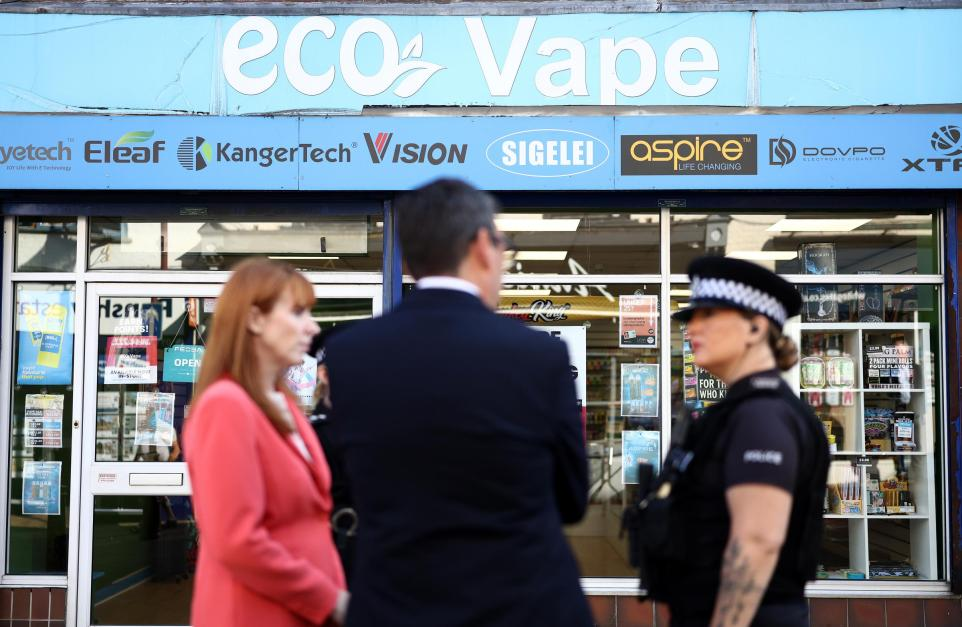
Cover Image source: EDP24|PA Wire