Key Points
- Reform UK has proposed limiting dedicated vape shops in the UK to around 1,000.
- The proposal was introduced by Reform UK deputy leader MP Lee Anderson.
- The plan focuses on vape retail channel management rather than banning vape sales.
- The proposal is not currently part of UK law.
- If implemented, it could affect retailer expansion strategies and market access.
2Firsts
August 10, 2026
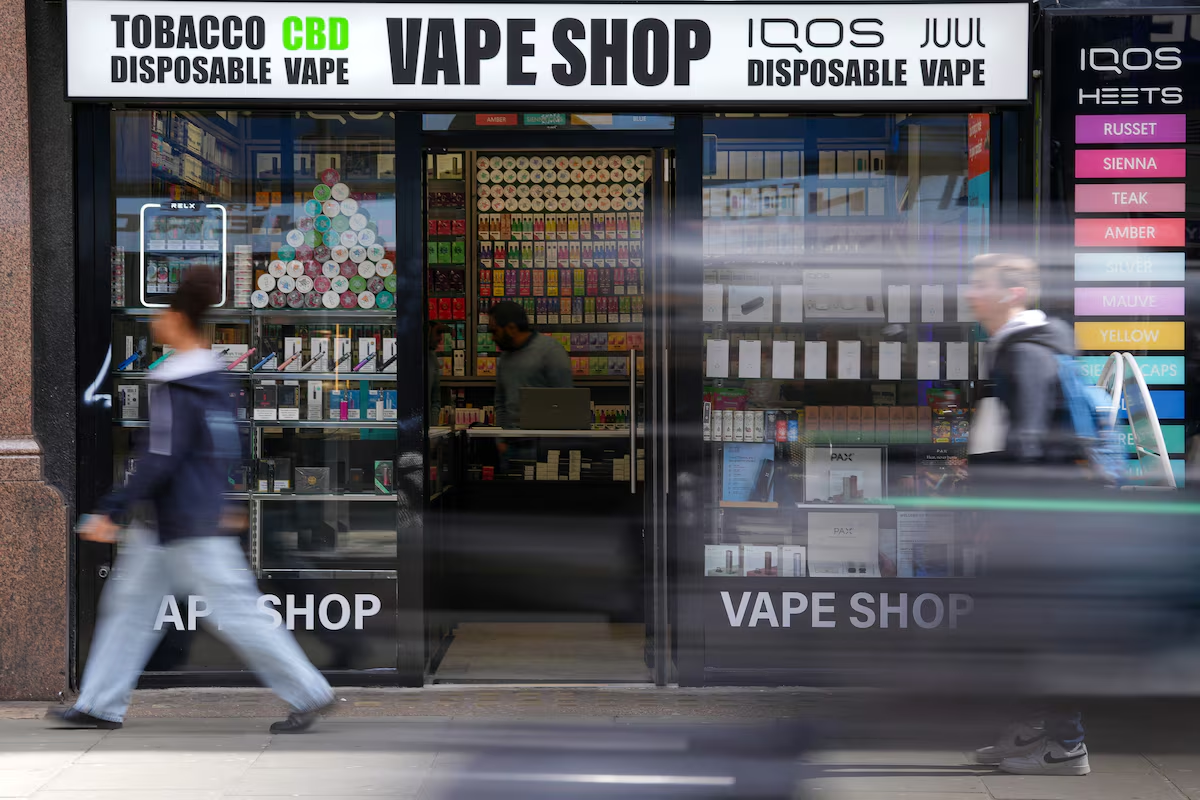
According to UK media outlets Bristol Post, Cornwall Live and Yahoo News UK, the Reform Party has proposed limiting the number of dedicated vape shops in the UK to around 1,000 as part of a plan to tighten oversight of vape retail channels.
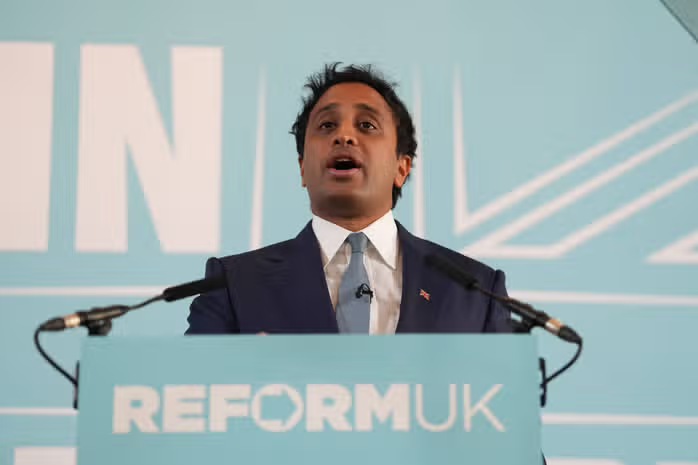
The proposal was introduced by Reform UK deputy leader and MP Lee Anderson. Reports said the party believes the expansion of vape retail networks requires stronger management.
The proposal remains at the political policy stage and has not become UK government policy or a formal legislative measure.
Reform UK Proposes 1,000-Shop Vape Cap
According to reports, Reform UK has proposed introducing limits on dedicated vape retail outlets, with a target of capping the number of vape shops across the UK at around 1,000.
The proposal comes amid wider debates over the growth of specialist vape retailers in the UK. Reform UK argues that stronger planning and oversight are needed as vape shop numbers increase.
However, public information has not disclosed how the 1,000-shop figure was calculated or whether the proposed limit would apply to all vape sales channels, including convenience stores, supermarkets and other retailers.
Proposal Could Affect Vape Retail Market Structure
If the proposal were eventually adopted as policy, it could affect the structure of the UK vape retail market.
Dedicated vape shops rely heavily on physical retail channels, and limits on store numbers could affect opportunities for new entrants and influence expansion strategies among existing operators.
However, Reform UK has not released detailed implementation plans, meaning it remains unclear whether any future policy would involve a nationwide cap, regional limits or another regulatory approach.
Vape Regulation Remains a Political Issue in the UK
The UK has continued tightening its vape regulatory framework, with policy debates focusing on youth access, disposable vape controls and product sales requirements.
Reform UK’s proposal would extend the discussion from product regulation to retail channel management.
For the vape industry, future policy changes could affect not only product compliance requirements but also retail networks and market competition.
The proposal remains subject to further policy development, and its final form and implementation remain uncertain.
Follow 2Firsts for the latest updates on global tobacco and nicotine regulation, industry developments and market trends.
Cover Image source: Bristol Post
Disclaimer
This article is provided solely for professional research, industry discussion, and informational purposes. Any references to brands, companies, products, technologies, or policies are made for factual reporting and analytical purposes only, and do not constitute endorsement, recommendation, promotion, or advertising by 2Firsts.
Nicotine-containing products, including but not limited to cigarettes, e-cigarettes, heated tobacco products, and nicotine pouches, carry significant health risks. Readers are responsible for complying with all applicable laws and regulations in their respective jurisdictions, including age restrictions and access limitations.
The information contained in this article should not be regarded as investment, legal, medical, regulatory, or commercial advice. While 2Firsts strives to ensure the accuracy and reliability of its content, it does not assume liability for any direct or indirect loss arising from errors, omissions, inaccuracies, or reliance on the information contained herein.
This article is not intended for individuals below the legal age for accessing tobacco or nicotine-related information in their jurisdiction.
Copyright Notice
This article is either original content produced by 2Firsts or content reproduced, translated, summarized, or adapted from third-party sources with attribution where applicable. The intellectual property rights of the original content remain with 2Firsts or the respective original rights holders.
No individual or organization may copy, reproduce, distribute, republish, modify, translate, or otherwise use this content without prior authorization. Any unauthorized use may result in legal action.
For copyright-related inquiries, corrections, or removal requests, please contact: info@2firsts.com.
AI-Assisted Translation and Editing Notice
Portions of this article may have been translated, edited, or reviewed with the assistance of artificial intelligence tools to improve efficiency and readability. Due to the limitations of AI-assisted translation and editing, discrepancies, omissions, or inaccuracies may exist when compared with the original source.
Where applicable, readers are advised to refer to the original source for the most complete and accurate information. If you identify any errors or believe that any content infringes upon your rights, please contact us at info@2firsts.com, and we will review and address the matter promptly.