Key Points
- UK Prime Minister Andy Burnham is advancing high street reforms that include vape retail oversight.
- The proposals could involve expanded local planning powers and a vape retail licensing system.
- New rules could affect vape shop locations, expansion strategies and market entry.
- The measures do not represent a ban on vape sales.
- UK vape regulation is increasingly extending from products to retail environments.
2Firsts
August 11, 2026
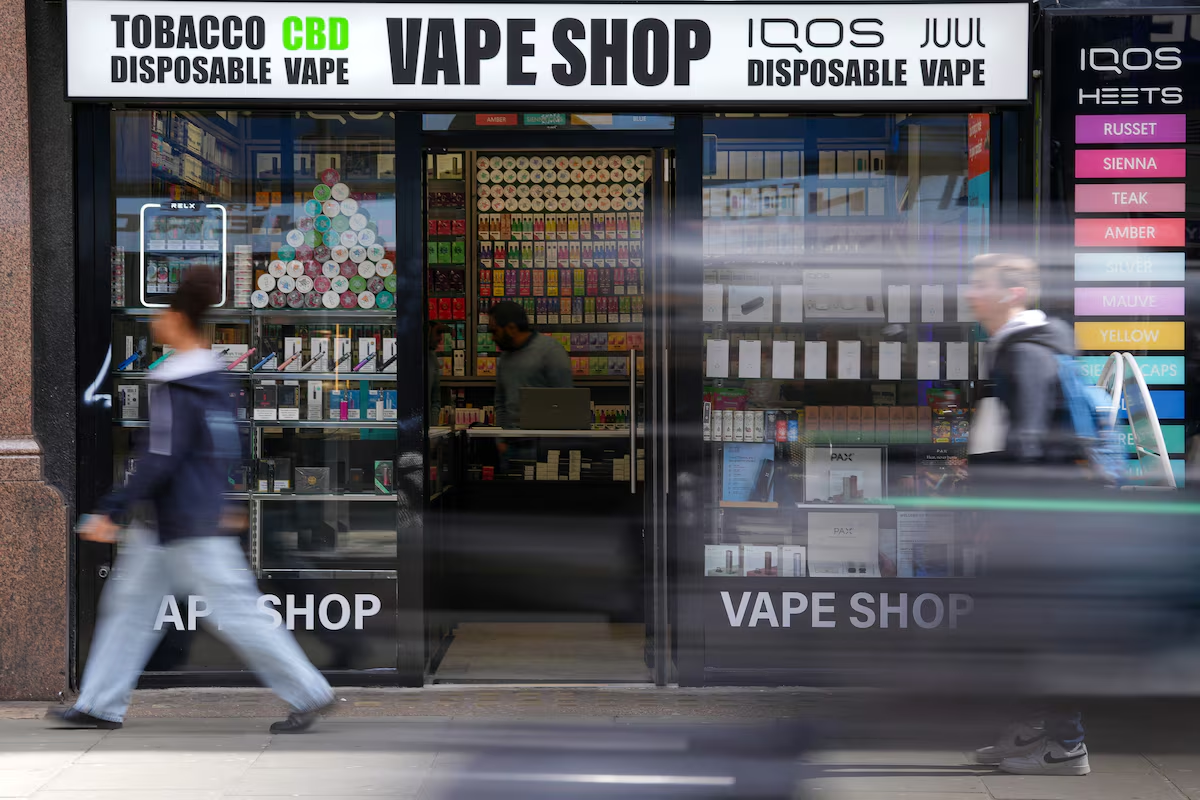
According to Reuters on Aug. 10, 2026, UK Prime Minister Andy Burnham is advancing a high street reform plan that could give local authorities greater powers to manage commercial activity, including vape shops, as part of efforts to revive UK town centres.
The proposal places vape retail within a broader discussion about commercial space management and market access. Unlike product-focused regulation, the measures focus on where vape businesses operate, how they enter markets and how local rules may affect expansion.
Burnham has previously pushed business rates reforms, and the latest proposals extend the policy approach toward retail planning and commercial development.
UK Considers Vape Retail Licensing and Local Planning Reforms
According to reports, the UK government is considering ways to strengthen local authorities’ ability to manage high street business composition.
Vape retail could be affected through two potential policy tools.
The first is expanded local planning powers.
Greater authority for councils could allow them to better manage the concentration and location of certain business types in town centres.
The second is a potential vape retail licensing scheme.
The UK government has previously indicated that it would consider establishing a licensing system for tobacco, vape and nicotine product retailers under the Tobacco and Vapes Act.
If introduced, such a system could require vape retailers to meet additional market entry and compliance requirements.
However, the licensing framework has not yet been fully implemented, and details on applications, regulators and enforcement remain unclear.
Vape Shop Expansion Could Face Local Planning Controls
For the vape industry, expanded local planning powers could change how retail networks grow.
Potential impacts include:
- additional local considerations for new store openings;
- changes to expansion strategies;
- higher compliance requirements for retailers.
The policy does not represent a ban on vape sales or automatic closures of existing vape shops.
The focus remains on retail management and market access rather than product prohibition.
From Business Rates to Retail Management, Burnham Expands High Street Agenda
The latest vape retail discussion follows Burnham’s earlier focus on business rates policy.
Previous measures sought to adjust business costs and support certain high street sectors while reassessing pressures across different commercial categories.
The latest proposals extend this approach from taxation tools to commercial planning.
For UK retailers, this suggests that future government policy may increasingly influence not only business costs but also the structure of town centre commerce.
UK Vape Regulation Moves Beyond Products Toward Retail Environment
UK vape regulation has traditionally focused on:
- disposable vape restrictions;
- youth access prevention;
- product packaging and sales rules.
As regulatory discussions expand toward licensing and local planning, compliance requirements for vape companies are extending beyond products into retail operations.
For vape businesses, future strategies may require closer attention not only to product rules but also to market entry requirements, store locations and local policy changes.
Follow 2Firsts for the latest updates on global tobacco and nicotine regulation, policy developments and industry trends.
Cover Image source: Reuters
Disclaimer
This article is provided solely for professional research, industry discussion, and informational purposes. Any references to brands, companies, products, technologies, or policies are made for factual reporting and analytical purposes only, and do not constitute endorsement, recommendation, promotion, or advertising by 2Firsts.
Nicotine-containing products, including but not limited to cigarettes, e-cigarettes, heated tobacco products, and nicotine pouches, carry significant health risks. Readers are responsible for complying with all applicable laws and regulations in their respective jurisdictions, including age restrictions and access limitations.
The information contained in this article should not be regarded as investment, legal, medical, regulatory, or commercial advice. While 2Firsts strives to ensure the accuracy and reliability of its content, it does not assume liability for any direct or indirect loss arising from errors, omissions, inaccuracies, or reliance on the information contained herein.
This article is not intended for individuals below the legal age for accessing tobacco or nicotine-related information in their jurisdiction.
Copyright Notice
This article is either original content produced by 2Firsts or content reproduced, translated, summarized, or adapted from third-party sources with attribution where applicable. The intellectual property rights of the original content remain with 2Firsts or the respective original rights holders.
No individual or organization may copy, reproduce, distribute, republish, modify, translate, or otherwise use this content without prior authorization. Any unauthorized use may result in legal action.
For copyright-related inquiries, corrections, or removal requests, please contact: info@2firsts.com.
AI-Assisted Translation and Editing Notice
Portions of this article may have been translated, edited, or reviewed with the assistance of artificial intelligence tools to improve efficiency and readability. Due to the limitations of AI-assisted translation and editing, discrepancies, omissions, or inaccuracies may exist when compared with the original source.
Where applicable, readers are advised to refer to the original source for the most complete and accurate information. If you identify any errors or believe that any content infringes upon your rights, please contact us at info@2firsts.com, and we will review and address the matter promptly.