Australia’s One Nation Proposes 75% Tobacco Tax Cut, Says Lower Prices Could Hit Illicit Market

Aug.18
Australia’s One Nation Proposes 75% Tobacco Tax Cut, Says Lower Prices Could Hit Illicit Market
Australia’s One Nation party has proposed cutting tobacco excise by 75%, arguing that lower legal cigarette prices could narrow the gap with illicit tobacco and reduce demand for black-market products. The proposal comes as Australia continues expanding enforcement against illicit tobacco supply chains through border controls, retail inspections and organised-crime investigations. Supporters argue high taxes have contributed to illicit-market growth, while opponents warn that lower tobacco prices could undermine public-health goals. The proposal is a party policy position and has not been adopted by the Australian government.

Key Points

  • One Nation has proposed cutting tobacco excise by around 75% to reduce legal cigarette prices.
  • The party argues high taxes have widened the price gap between legal products and illicit tobacco.
  • The proposal comes as Australia continues expanding enforcement against illicit tobacco networks.
  • Supporters say lower prices could weaken black-market demand, while critics warn of potential public-health impacts.
  • The proposal remains a political policy position and is not current Australian government policy.

2Firsts

August 18, 2026

Australia’s One Nation party has proposed a major reduction in tobacco excise, arguing that lower legal cigarette prices could narrow the gap with illicit tobacco and reduce the appeal of black-market supply networks.

According to ABC News on Aug. 18, One Nation leader Pauline Hanson proposed cutting Australia’s tobacco excise by about 75%. The party argues that years of rising tobacco taxes have pushed legal cigarette prices higher and created more opportunities for illicit tobacco operators.

The proposal remains a party policy position and has not been adopted by the Australian federal government.

One Nation Argues Lower Taxes Could Undercut Black Market

One Nation’s central argument is that high tobacco taxes have increased the price difference between legal cigarettes and illicit tobacco, encouraging some consumers to turn to cheaper illegal sources.

The party argues that reducing legal cigarette prices could bring some consumers back into regulated channels, weaken illicit demand and reduce profits for criminal groups.

News24 reported that One Nation wants to use lower excise rates to restore competitiveness between legal tobacco products and illicit markets.

The proposal’s fiscal impact, tax structure and long-term effect on tobacco consumption have not been formally assessed by the Australian government.

Proposal Comes as Australia Expands Illicit Tobacco Enforcement

The tax-cut proposal comes as Australia continues strengthening enforcement against illicit tobacco and vape supply chains.

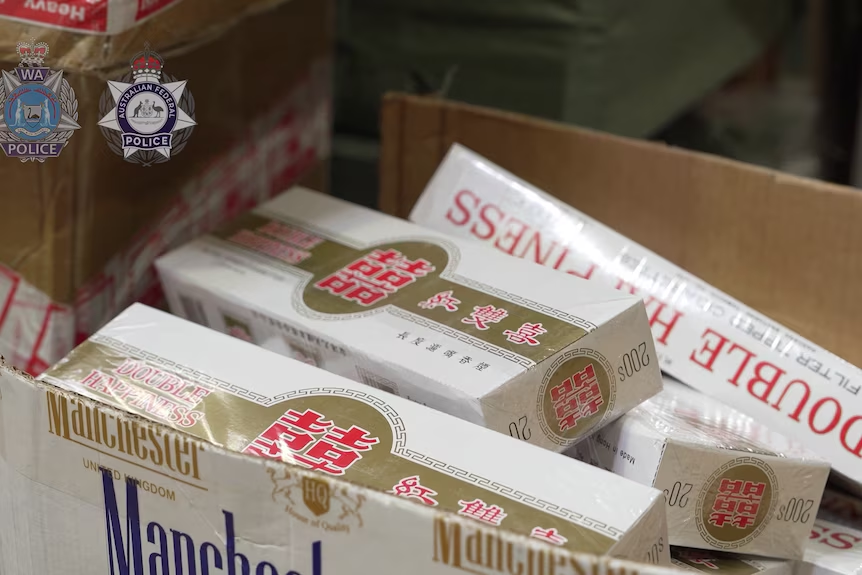
In recent years, the Australian Border Force, Australian Federal Police and state agencies have expanded operations targeting illegal imports, storage facilities, logistics networks, distribution channels and retail outlets.

Recent enforcement actions have shown authorities moving beyond product seizures toward investigations into criminal networks and their operating structures, including alleged use of logistics systems, commercial facilities and retail channels.

One Nation’s proposal therefore presents a different policy approach:

● Enforcement agencies are focusing on disrupting illicit supply chains;

● One Nation argues lower legal prices could reduce the economic incentive for illicit trade.

The debate places tobacco taxation at the centre of Australia’s broader discussion over how to address illegal markets.

Supporters Cite Black-Market Pressure, Critics Warn of Health Risks

Supporters of tobacco tax reductions argue that excessive taxation can create unintended consequences.

They say that when legal tobacco becomes significantly more expensive than illicit products, consumers may shift toward unregulated sources, reducing government revenue and strengthening criminal markets.

One Nation argues that lower legal prices could help recover market share for legitimate retailers while reducing opportunities for illicit operators.

Public-health groups, however, have traditionally opposed tobacco tax reductions.

Critics argue that higher tobacco prices are an important tool for reducing smoking rates and that cheaper cigarettes could increase affordability, particularly among younger and lower-income consumers.

The debate therefore extends beyond tax revenue and focuses on the balance between public health, government income and illicit-market control.

Tobacco Tax Policy Faces New Political Debate

Australia has maintained relatively high tobacco taxes for years and has used price measures as part of its broader tobacco-control strategy.

At the same time, growth in illicit tobacco has become a major policy challenge.

Supporters of reform argue that the current approach should be reconsidered because high taxes may contribute to legal-market decline and illicit-market expansion.

Opponents argue that the solution lies in stronger enforcement, border controls and supply-chain oversight rather than lower tobacco prices.

One Nation’s proposal has not gained support from Australia’s major political parties and has not entered the formal legislative process.

As Australia continues efforts to disrupt illicit tobacco markets, the question of how tobacco taxes should balance public-health goals, legal-market access and black-market pressure is likely to remain a contested policy issue.

Follow 2Firsts for the latest updates on global tobacco and nicotine policy, regulation and market developments.

Cover Image source: ABC News|AAP

 PMI Opens Generative AI Center in Portugal to Support Global Operations
PMI Opens Generative AI Center in Portugal to Support Global Operations
According to information released by Portugal’s Trade & Investment Agency (AICEP) in July 2026, Philip Morris International (PMI) has established a global Generative Artificial Intelligence Factory (GenAI Factory) at its Portuguese subsidiary Tabaqueira. The center will support PMI’s global operations by developing and deploying AI solutions focused on industrial process optimization, data analytics, operational automation and AI application development. The initiative strengthens Portugal’s role in PMI’s global technology and innovation network.
Aug.27
How Large Is France’s Off-Channel Tobacco Market? Logista Says It Has Become Structural, While the Official Estimate Is 17.7% and Some Industry Studies Put It Above 50%
Logista France says tobacco consumption outside France’s official tobacconist network has become a large and structural market phenomenon, but official and industry estimates differ sharply. France’s TAFE study estimates that 17.7% of tobacco consumption escaped domestic taxation in 2023, with most of that volume attributed to cross-border purchasing rather than street sales. Some industry studies use broader off-channel definitions and put the figure above 50%. Meanwhile, French Customs seized 547.94 tonnes of tobacco in 2025, up 12%, showing continued pressure from illicit trade.
Sep.04
SMOORE’s DOJO by VAPORESSO to Launch New Global Brand Identity on September 1
According to recent LinkedIn posts from people at VAPORESSO, SMOORE and a German distribution partner, vape brand DOJO will begin rolling out a new global brand identity on September 1, 2026, led by a redesigned handwritten logo. The new visual system will be gradually applied across product packaging, marketing materials and digital assets over the following months. Fabio Corsaro, Head of Marketing and Purchasing at MG Wesel GmbH, said the rebrand was related to trademark issues, but that explanation has not been publicly confirmed by DOJO, VAPORESSO or SMOORE. DOJO is currently promoting its Blast X product in Germany.
Aug.31
Kaival Brands Explores Nicotine Pouches as Smaller Nicotine Companies Seek Smoke-Free Growth
U.S. nicotine company Kaival Brands Innovations Group is exploring opportunities in nicotine pouches and other modern nicotine products, reflecting a broader shift among smaller nicotine businesses beyond traditional vaping products.
Jul.17
GSTHR Estimates 200 Million People Use Non-Combustible Nicotine Products as 28 Countries Show Rising Use Alongside Falling Smoking Rates
The Global State of Tobacco Harm Reduction, a project operated by Knowledge·Action·Change, estimates that about 200 million people worldwide use non-combustible nicotine products including vapes, heated tobacco, nicotine pouches and snus. Its 2026 report says use of these products rose alongside declining smoking rates in 28 countries it analyzed. The data do not establish that all 200 million users have quit smoking, nor do they prove a direct causal relationship. GSTHR also says regulatory restrictions on the products continue to expand in many markets.
Sep.10
Nevada Considers Nearly Doubling Tobacco Taxes, With $65 Million in New Revenue Expected From Expanded Nicotine Levies
Health groups in Nevada are urging lawmakers to nearly double the state cigarette tax and extend similar tax changes to other nicotine products, including e-cigarettes and nicotine pouches.
Jul.17