Bangladesh High Court Questions Legality of BEZA’s Approval for Philip Morris Nicotine Pouch Factory

Nov.20.2025
Bangladesh High Court Questions Legality of BEZA’s Approval for Philip Morris Nicotine Pouch Factory
The High Court in Bangladesh has asked government bodies to explain why the approval granted to Philip Morris to establish a nicotine pouch factory should not be deemed illegal. Petitioners argue the decision contradicts existing policies and a 2016 Appellate Division ruling that restricts new tobacco-related enterprises. Authorities have ten days to respond.

Key Points


  • High Court seeks justification for BEZA’s approval of a Philip Morris nicotine pouch plant.
  • Approval issued on 27 April for domestic sales in Bangladesh.
  • Petitioners cite conflict with policy and a 2016 Appellate Division ruling.
  • Prior directives barred new tobacco-related company approvals.
  • Ministries and Philip Morris must respond within ten days.


2Firsts, November 20, 2025 — According to the report, the Bangladesh High Court has issued a rule seeking justification for the approval allowing Philip Morris to set up a nicotine pouch manufacturing plant in Sonargaon, Narayanganj.


The order followed a public interest writ filed by Sayera Nazabi Sayem, Advocate Sajidul Islam, and Mahir Chowdhury, represented in court by Barrister Asif Bin Anwar. The Ministry of Commerce, BEZA, the Ministry of Health, and Philip Morris were directed to respond within ten days.


Petitioners stated that BEZA approved the project on 27 April despite government policy and earlier Appellate Division directives restricting the establishment of new tobacco or tobacco-product companies. The approval notes the products would be sold domestically. They argued the decision has already raised concern among social and cultural organisations over potential health and environmental risks.


The writ referenced a 1 March 2016 Appellate Division judgment that issued six directives aimed at reducing tobacco use nationwide, including prohibiting new approvals for tobacco-related companies and encouraging existing firms to shift to other industries. Allowing a new nicotine product facility, petitioners said, contradicts these directives and the state’s constitutional obligation to protect public health.


The case has renewed scrutiny of regulatory compliance within the tobacco sector. Further proceedings will follow after respondents submit their explanations.


We welcome news tips, article submissions, interview requests, or comments on this piece.

Please contact us at info@2firsts.com, or reach out to Alan Zhao, CEO of 2Firsts, on LinkedIn


Notice

1.  This article is intended solely for professional research purposes related to industry, technology, and policy. Any references to brands or products are made purely for objective description and do not constitute any form of endorsement, recommendation, or promotion by 2Firsts.

2.  The use of nicotine-containing products — including, but not limited to, cigarettes, e-cigarettes, nicotine pouchand heated tobacco products — carries significant health risks. Users are responsible for complying with all applicable laws and regulations in their respective jurisdictions.

3.  This article is not intended to serve as the basis for any investment decisions or financial advice. 2Firsts assumes no direct or indirect liability for any inaccuracies or errors in the content.

4.  Access to this article is strictly prohibited for individuals below the legal age in their jurisdiction.


Copyright


This article is either an original work created by 2Firsts or a reproduction from third-party sources with proper attribution. All copyrights and usage rights belong to 2Firsts or the original content provider. Unauthorized reproduction, distribution, or any other form of unauthorized use by any individual or organization is strictly prohibited. Violators will be held legally accountable.

For copyright-related inquiries, please contact: info@2firsts.com


AI Assistance Disclaimer


This article may have been enhanced using AI tools to improve translation and editorial efficiency. However, due to technical limitations, inaccuracies may occur. Readers are encouraged to refer to the cited sources for the most accurate information.

We welcome any corrections or feedback. Please contact us at: info@2firsts.com

South Korea Fully Reviews Nicotine-Analog and Nicotine-Free Vape Liquid Imports, With Over 99% From China and Chinese Supply-Chain Documents Under Scrutiny
Korea Customs Service has tightened import controls on nicotine-analog and nicotine-free e-cigarette liquids, placing the products under 100% document review and subjecting all e-cigarette liquid import declarations to pre-clearance ingredient analysis. As of September 20, 2026, South Korea had imported about 15 metric tons of nicotine-analog liquids, 99.99% from China, and about 316 metric tons of nicotine-free liquids, including roughly 315 metric tons, or 99.7%, from China. The measures follow South Korea's April expansion of its tobacco definition to include synthetic nicotine products and include new checks on Chinese manufacturing, transaction and export documentation.
Sep.24
Product | Four CrossBar 20K 13mL High-Puff Vapes Listed on Pennsylvania's ENDS Directory, Rated for Up to 20,000 Puffs
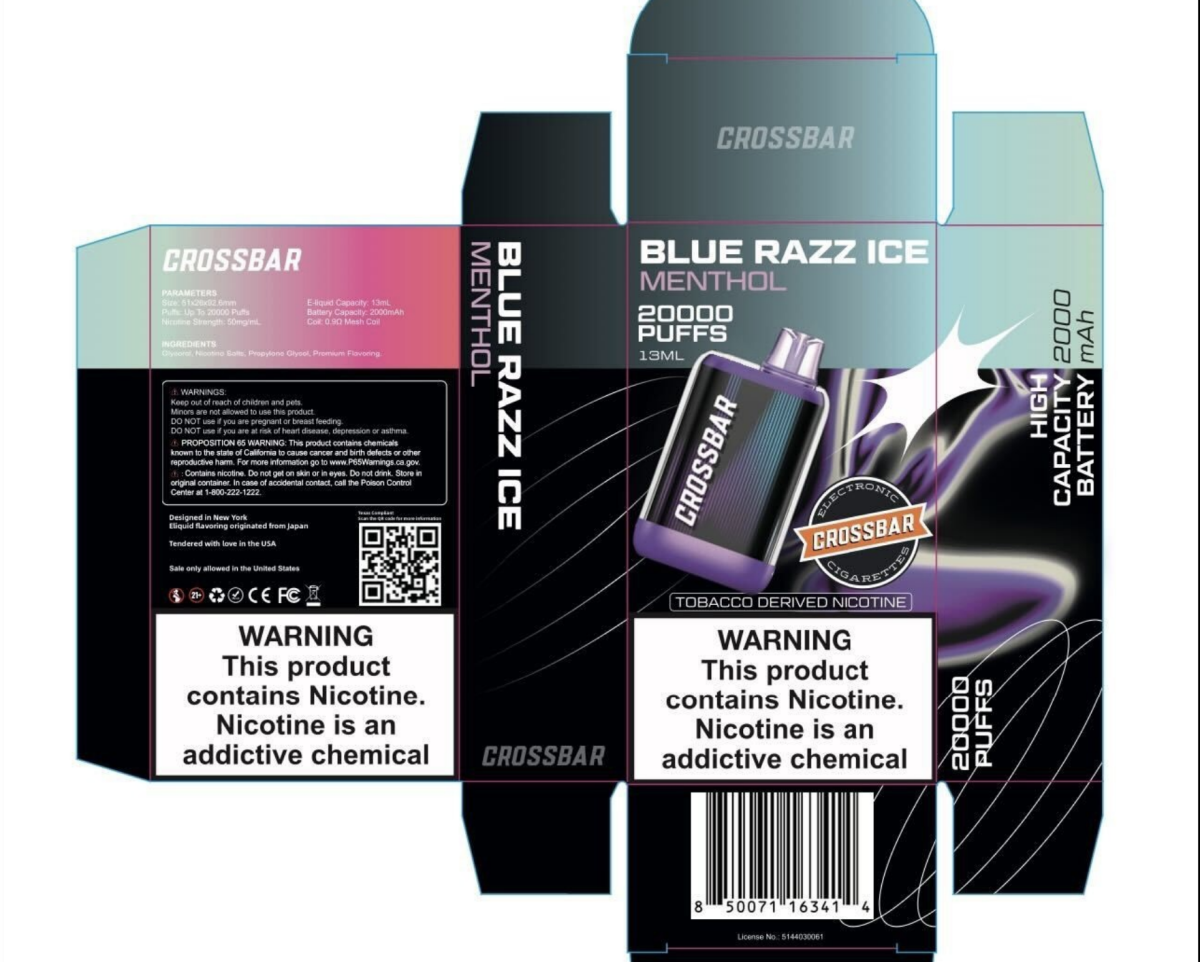
Four CrossBar 20K disposable e-cigarettes appeared on Pennsylvania's 163-entry ENDS directory ahead of enforcement beginning October 19, 2026. The devices feature 13mL e-liquid reservoirs, 50mg/mL nicotine, 2,000mAh batteries and 0.9Ω mesh coils, with advertised puff counts of up to 20,000. CrossBar was the only modern high-puff disposable series among the directory's 15 disposable entries. Its packaging emphasizes New York design and Japanese-origin flavoring, while historical CrossBar records identify a registered U.S. tobacco manufacturing-related establishment. The link between the newer 13mL devices and earlier 1.3mL PMTA filings remains unconfirmed.
product
Oct.26
South Korea Extends Vape Rules to Unmanned Stores After Bringing Synthetic Nicotine Under Tobacco Law
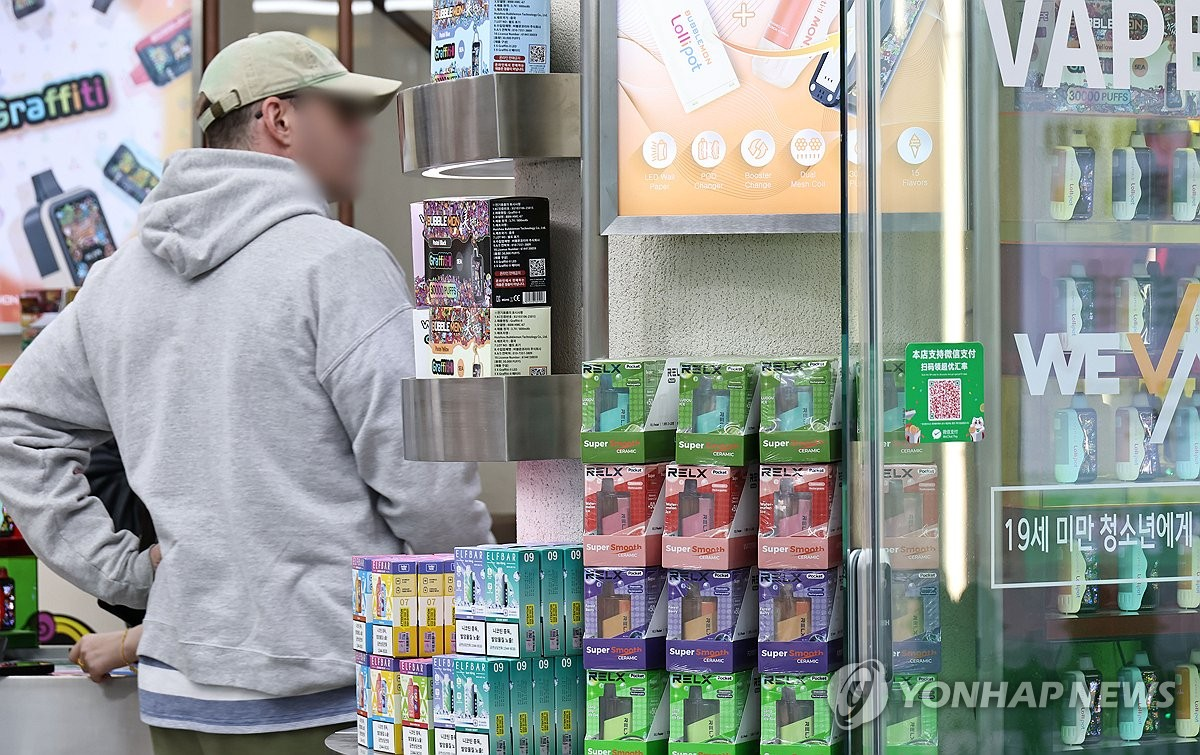
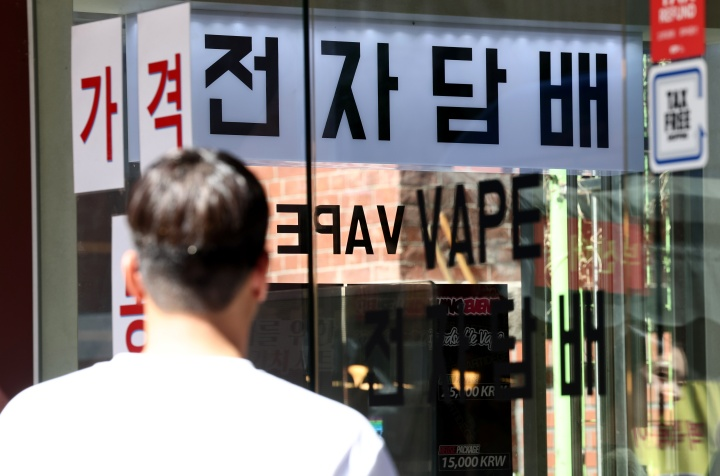
South Korea's Ministry of Gender Equality and Family said on September 14 that it plans to designate unmanned e-cigarette stores as businesses where minors are prohibited from entering or working. Operators would be required to verify customers' ages and display notices restricting access by minors. The proposal is open for public comment through October 6. The move follows an April expansion of South Korea's statutory tobacco definition that brought products made with natural or synthetic nicotine under the Tobacco Business Act. Nicotine-free liquids and products using nicotine analogues such as 6-methylnicotine, however, remain an emerging regulatory issue.
Sep.21
Product | KT&G Launches lil HYBRID 3.0 Misty Rosé Edition II in South Korea With Two Pink Finishes at 88,000 Won
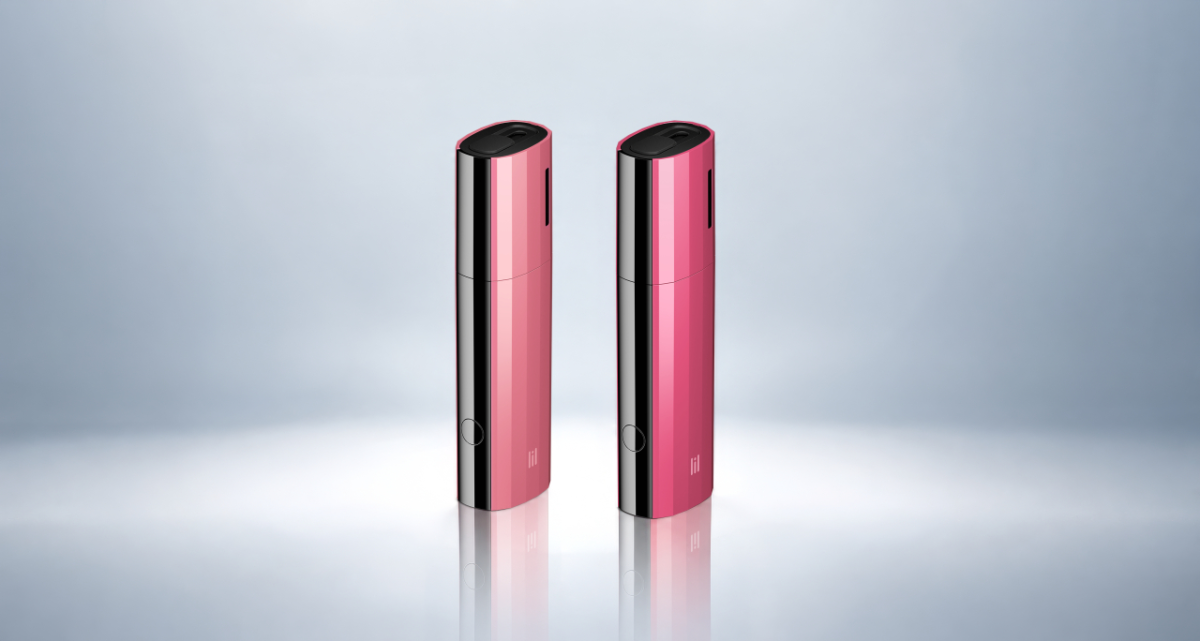
South Korean tobacco company KT&G launched the limited-edition lil HYBRID 3.0 Misty Rosé Edition II on September 30, 2026, following the original Misty Rosé Edition introduced in November 2025. The new release comes in two pink finishes, Bloom Rosé and Viva Rosé, each priced at 88,000 won. Both versions initially went on sale through the lil Store online shop and lil MINIMALIUM flagship stores. From October 7, Bloom Rosé became available at approximately 1,500 lil Station retail outlets nationwide. The release retains the existing lil HYBRID 3.0 hybrid heated tobacco platform, with changes focused on exterior design and distribution.
product
Oct.10
Special Report | Russia Places Four JTI Businesses Under Temporary Management, a First for Tobacco Majors
Russia has placed shares in four Japan Tobacco International businesses under temporary management, the first such move involving a major global tobacco manufacturer, according to Interfax. JTI held 35.8% of Russia's tobacco market by volume in the first nine months of 2026. While British American Tobacco and Imperial Brands have exited Russia, Philip Morris International continues operating there. As the market changes and diplomatic efforts continue, could international tobacco companies that left Russia eventually return?
Nov.06
Spain Cigarette Volumes Fall 5.2% in August, BAT Drops 14.5%, JTI Gains Share; France Down 8.3% on Adjusted Basis
Spain's cigarette volumes declined 5.2% year over year in August 2026, according to government data cited by UBS and reported by Investing.com on October 7. British American Tobacco's volumes fell 14.5%, followed by Imperial Brands at 8.8%, Philip Morris International at 6.6% and Japan Tobacco at 4.6%. JTI was the only one of the four companies to gain cigarette market share, rising six basis points to 26.7%. In France, official customs data showed an unadjusted 3.7% decline in cigarette deliveries. Adjusting for the difference in delivery days produces a decline of approximately 8.3%, consistent with the UBS figure. The bank also estimated the earnings exposure of major tobacco companies to both markets.
Market
Oct.13