Consumer advocacy organization pushes back on Health Canada’s proposal to restrict vape flavours

Events
May.31.2022
“Flavour restrictions either work or they do not when it comes to preventing youth use. You cannot say they’re needed for nicotine vaping but not alcohol and cannabis.”

The poll was conducted online by Delphi Polling & Consulting between Apr. 29 and May 10, through a demographically representative sample of 1,200 Canadians of legal vaping age in their respective province. The survey was available in English and French and used interlocking quotas with targets set out in the most recent Census around age, gender, province and language (for Quebec).


The organization adds that banning most flavoured vaping products could push some consumers back to smoking, ultimately creating worse health outcomes. They also argue that if flavour restrictions are placed on nicotine products, similar restrictions should be placed on cannabis and alcohol products.


“Flavour restrictions either work or they do not when it comes to preventing youth use. You cannot say they’re needed for nicotine vaping, but not alcohol and cannabis. As an organization that defends consumer choice, we are opposed to prohibitions generally and would like to see more sophisticated policy-making from Health Canada,” Cran said.


The proposed amendments to the Tobacco and Vaping Products Act (Flavours)would restrict the promotion of flavours to tobacco or mint/menthol. The use of all sugars and sweeteners as well as flavouring ingredients, with limited exceptions, would also be prohibited in the manufacture of vaping products.


Health Canada notes that Canadians had the opportunity to provide commentson the regulatory proposal during the Canada Gazette, Part I, public comment period, which started on June 19, 2021 and lasted 75 days.


source:The GrowthOp
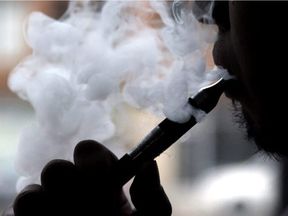
The organization argues that banning most flavoured vaping products could push some consumers back to smoking, ultimately creating worse health outcomes. /


Police dismantle a network of 50+ stores selling unmarked nicotine products in the Moscow region
TASS reported that police dismantled a distribution network in the Moscow region selling nicotine-containing products, e-cigarettes and vapes without mandatory markings, with organizers earning more than 10 million rubles per month (more than about $130,000). Interior Ministry spokesperson Irina Volk said some items were labeled with counterfeit identification tools of the Chestny Znak system, while others had no codes.
Dec.30 by 2FIRSTS.ai
South Korea to Classify Synthetic Nicotine E-Cigarettes as Tobacco from April 2026
South Korea will implement amendments to its Tobacco Business Act on April 24, 2026, officially classifying synthetic nicotine liquid e-cigarettes as tobacco. This marks the first revision of the legal definition of tobacco since 1988. Once in effect, synthetic nicotine e-cigarettes will be subject to existing tobacco regulations, including health warnings, advertising restrictions, smoke-free area enforcement, and youth protection measures.
Dec.29 by 2FIRSTS.ai
Kazakhstan’s Astana Baikonur District Fines Illegal Smokeless Tobacco Sales Over USD 5,800
Authorities in Astana’s Baikonur District have intensified enforcement against illegal smokeless tobacco and related products in 2025. Police conducted 59 inspection raids, identifying 63 cases of illegal sales of smokeless tobacco (nasvay). Total fines imposed reached KZT 3,096,450(approximately USD 5,880). Officials said inspections and preventive outreach will continue.
Dec.29 by 2FIRSTS.ai
China Further Tightens E-Cigarette Capacity and Investment Controls, Supply Chain Faces Stronger Regulation and Accelerated Shakeout
China is tightening controls over e-cigarette production capacity and investment as regulators move to curb disorderly competition and address oversupply risks, a new policy framework released on December 25 shows, signaling stronger oversight and a faster shakeout across the country’s e-cigarette supply chain, according to first-hand reporting by 2Firsts.
Dec.25
Vape Company Takes FDA to Court for Stalling Premarket Decision for Half a Decade
California-based vape manufacturer Schwartz E-Liquid (USA Vape Lab) has sued the U.S. Food and Drug Administration (FDA) in federal court, alleging the agency unlawfully failed to issue a decision on its premarket application for flavored e-cigarette products for more than five years. The company is seeking a court order compelling the FDA to act within 90 days.
Nov.26 by 2FIRSTS.ai
BAT plans to sell its stake in ITC Hotels, using proceeds to reduce debt
British American Tobacco (BAT) plans to sell all or part of its stake in ITC Hotels via an accelerated bookbuild, with the sale size expected to be up to 15.3% of the company’s shares. The company says the proceeds will be used to reduce debt and bring its leverage back within the target range.
Dec.05 by 2FIRSTS.ai