Dutch Citizens Demand Stronger Measures against Smoking in Cars

Regulations by 2FIRSTS.ai
Nov.30.2023
Dutch Citizens Demand Stronger Measures against Smoking in Cars
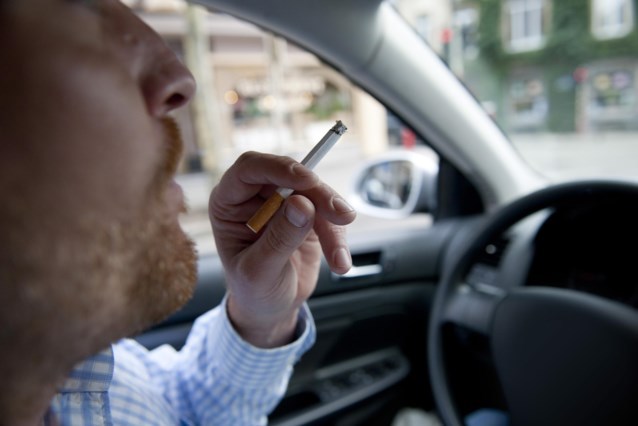
Only three people in the Netherlands received fines for smoking in their cars between June 2022 and August 2023, despite the nationwide ban.

According to Dutch media outlet Nieuwsblad, a report between June 2022 and August 2023 states that only three individuals in the Netherlands have received legal documents for smoking in their vehicles. Despite the nationwide ban on smoking, including e-cigarettes, since May 2020.


Such fines amount to approximately 200 euros, which is higher than the fine imposed on drivers caught using their phone while driving.


Member of the Citizens' Party, Els Van Hoof, expressed her dissatisfaction with these figures. She strongly urged Health Minister Van den Blok to regularly conduct such inspections and to increase sensitivity towards this issue.


Van Hoof added, "Smoking in vehicles, especially in front of children, is not harmless at all. In such confined spaces, a significant amount of harmful particles are quickly generated, even with windows open or air conditioning on.


She explained, "This high concentration is extremely dangerous for the children present: their immune systems are not fully developed, their respiratory passages are narrower, and they breathe faster than adults, which could lead to respiratory risks such as asthma.


We welcome news tips, article submissions, interview requests, or comments on this piece.

Please contact us at info@2firsts.com, or reach out to Alan Zhao, CEO of 2Firsts, on LinkedIn


Notice

1.  This article is intended solely for professional research purposes related to industry, technology, and policy. Any references to brands or products are made purely for objective description and do not constitute any form of endorsement, recommendation, or promotion by 2Firsts.

2.  The use of nicotine-containing products — including, but not limited to, cigarettes, e-cigarettes, nicotine pouchand heated tobacco products — carries significant health risks. Users are responsible for complying with all applicable laws and regulations in their respective jurisdictions.

3.  This article is not intended to serve as the basis for any investment decisions or financial advice. 2Firsts assumes no direct or indirect liability for any inaccuracies or errors in the content.

4.  Access to this article is strictly prohibited for individuals below the legal age in their jurisdiction.


Copyright


This article is either an original work created by 2Firsts or a reproduction from third-party sources with proper attribution. All copyrights and usage rights belong to 2Firsts or the original content provider. Unauthorized reproduction, distribution, or any other form of unauthorized use by any individual or organization is strictly prohibited. Violators will be held legally accountable.

For copyright-related inquiries, please contact: info@2firsts.com


AI Assistance Disclaimer


This article may have been enhanced using AI tools to improve translation and editorial efficiency. However, due to technical limitations, inaccuracies may occur. Readers are encouraged to refer to the cited sources for the most accurate information.

We welcome any corrections or feedback. Please contact us at: info@2firsts.com

Special Report | Russia, Ukraine and Belarus Launch Fresh Push to Rein in Vaping
Russia, Ukraine and Belarus are tightening vape regulation through different tools, from Ukraine’s stronger enforcement push and Belarus’s proposed advertising restrictions to Russia’s new GOST standard and regional sales-ban mechanism. As black-market concerns persist, some Russian experts argue that China’s tightly controlled but legalised model — built around licensing, traceability and taxation — may offer a more effective alternative to blanket prohibition.
Jul.15
Indiana’s Foreign-Made Vape Ban Takes Effect, Forcing Brands and Retailers to Adjust Supply Chains
A new Indiana law restricting the sale of foreign-made vape products has taken effect, requiring retailers to adjust inventory and sourcing practices. According to The Sun, WDRB and other reports, some local vape shops are reviewing product origins and supplier information to comply with the new requirements. The measure represents a broader shift in U.S. vape regulation, with oversight expanding beyond product authorization and sales rules toward manufacturing origin and supply-chain management.
Jul.24
Philip Morris Romania Expands IQOS Boutique Network to 120 Locations With Retail 2.0 Store
Philip Morris Romania has opened IQOS Boutique Victoriei in Bucharest, expanding the country’s IQOS retail network to 120 points of sale and advancing a Retail 2.0 concept that combines design, technology, interactive art and urban culture.
PMI
Jul.13
Hawaii Restricts Vape Sales to FDA-Authorized Products, Disposable E-Cigarettes to Be Banned
Hawaii has enacted two new e-cigarette laws that significantly tighten market access requirements, requiring products to meet FDA authorization standards and banning disposable e-cigarette sales starting in 2027.
Jul.08
South Korea Vape Strategies Diverge as BAT Reconsiders Exit and PMI Takes VEEV to About 14,000 Stores
BAT Rothmans says it previously considered exiting South Korea's vaping market because of competitive pressure from unregulated products, but is now reassessing conditions following changes to the country's nicotine regulatory framework. Vuse and other BAT vaping products remain available through existing distribution channels. The statement followed a South Korean media report that interpreted BAT's broader withdrawal from selected Vapour markets as a full exit from South Korea. Meanwhile, Philip Morris International launched VEEV inPRIME in the country in June and began expanding distribution to around 14,000 convenience stores and other retail channels in July. The contrasting moves highlight differing investment strategies as South Korea's regulated vaping market evolves.
Aug.14
Australia’s Daily Smoking Rate Falls to Record Low of 5.8% as Nicotine Use Patterns Shift
According to the Australian Institute of Health and Welfare’s National Drug Strategy Household Survey, daily smoking among Australians aged 18 and over fell to a record low of 5.8% in 2025. Health Minister Mark Butler said Australia now has around 500,000 fewer daily smokers than three years ago and credited the government’s vaping reforms as part of broader progress. Among people aged 14 and over, daily smoking declined from 8.3% in 2022-23 to 5.6% in 2025. Daily vaping rates stabilised at 3.6%, while the government also moved to further restrict access to nicotine pouches through unapproved therapeutic import pathways.
Jul.21