Key Points
- Agenda squeeze: The Strategy & Finance Committee’s Subcommittee on Economy and Finance prioritized the Act on the Management of Public Institutions; the Tobacco Business Act (TBA) amendment was listed around Item 54 and was not taken up.
- Regulatory vacuum: Because synthetic nicotine is not defined as “tobacco” under current law, it is untaxed and can be sold near schools and via vending machines, effectively serving as a “starter cigarette” for students.
- International contrast: 36 of 38 OECD countries regulate synthetic nicotine at standards equivalent to conventional tobacco; countries without such rules often do not allow e-cigarette sales at all.
- Legislative timeline: Talks began in 2016 but have not passed the Assembly. A November 2024 Ministry of Health and Welfare study found substantial harms from synthetic nicotine, raising hopes for progress, yet the February 2025 session also stalled.
- What’s next: The subcommittee has progressed to agenda items immediately preceding the TBA amendments and plans to reconvene on September 16. Industry groups urge making the TBA amendment a top priority.
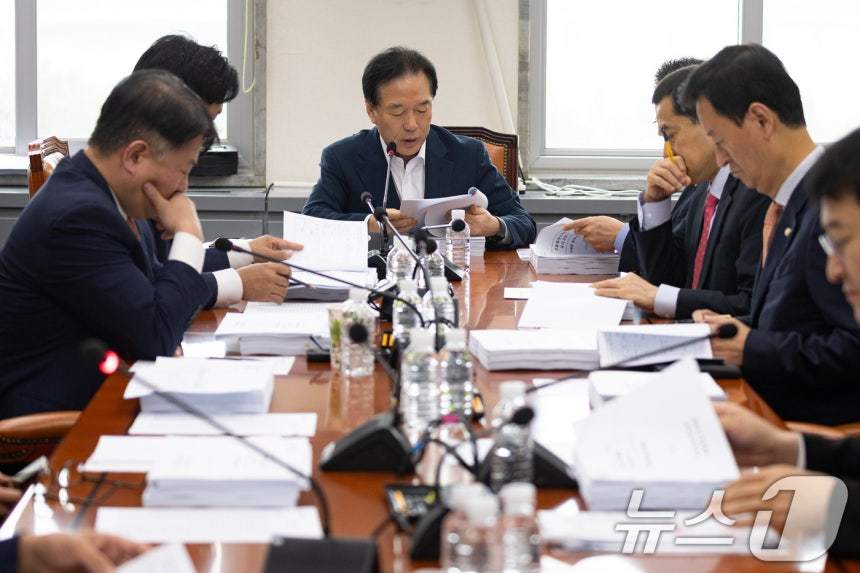
2Firsts, September 11, 2025 — The National Assembly’s Strategy and Finance Committee Subcommittee on Economy and Finance failed to review amendments to the Tobacco Business Act (TBA) on September 9 due to agenda conflicts, leaving synthetic nicotine unregulated once again, according to news.naver. The meeting prioritized deliberations on revisions to the Act on the Management of Public Institutions, and the TBA amendment—intended to bring synthetic nicotine under the legal definition of “tobacco”—was pushed down the agenda and ultimately not discussed before adjournment.
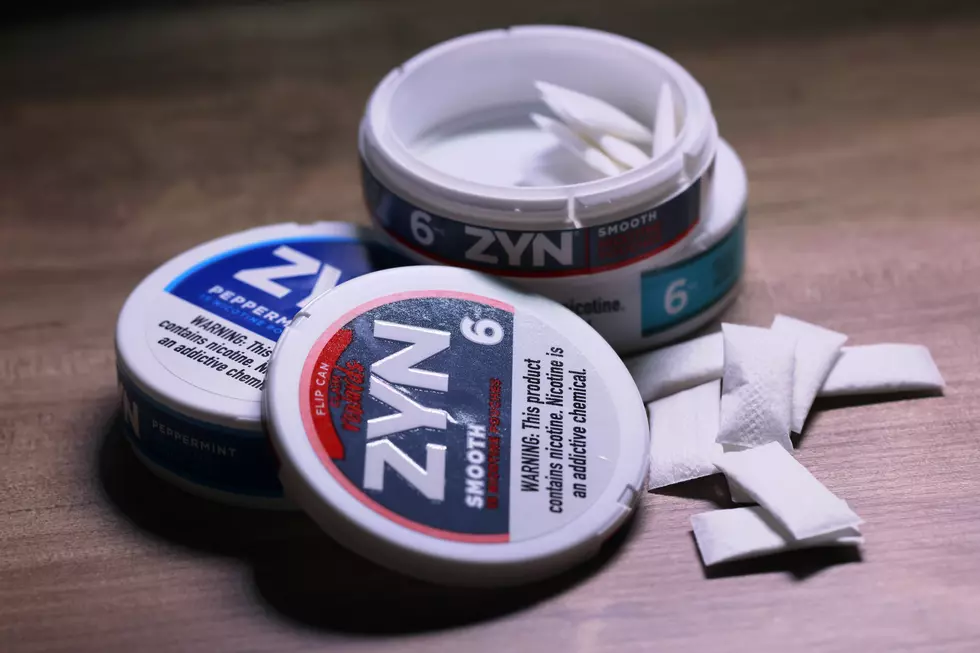
Under current law, synthetic nicotine is not classified as tobacco, meaning it is not subject to tobacco taxes and faces no location-based sales restrictions. As a result, products can legally be sold near school grounds and through vending machines. Owing to lower prices and easy access, synthetic-nicotine e-cigarettes are widely described as an entry product for students.
Although policy discussions began in 2016, the amendment has yet to clear the legislature. Expectations for faster progress rose after a November 2024 Ministry of Health and Welfare study concluded that synthetic nicotine carries significant risks; nevertheless, action stalled again during the February 2025 extraordinary session.
The subcommittee has advanced through the agenda up to the items just before the TBA amendments and plans to resume on September 16. Industry stakeholders expressed disappointment that the amendment was not debated and called for swiftly reconvening the subcommittee and placing the TBA revision at the top of the docket.
We welcome news tips, article submissions, interview requests, or comments on this piece.
Please contact us at info@2firsts.com, or reach out to Alan Zhao, CEO of 2Firsts, on LinkedIn
Notice
1. This article is intended solely for professional research purposes related to industry, technology, and policy. Any references to brands or products are made purely for objective description and do not constitute any form of endorsement, recommendation, or promotion by 2Firsts.
2. The use of nicotine-containing products — including, but not limited to, cigarettes, e-cigarettes, nicotine pouchand heated tobacco products — carries significant health risks. Users are responsible for complying with all applicable laws and regulations in their respective jurisdictions.
3. This article is not intended to serve as the basis for any investment decisions or financial advice. 2Firsts assumes no direct or indirect liability for any inaccuracies or errors in the content.
4. Access to this article is strictly prohibited for individuals below the legal age in their jurisdiction.
Copyright
This article is either an original work created by 2Firsts or a reproduction from third-party sources with proper attribution. All copyrights and usage rights belong to 2Firsts or the original content provider. Unauthorized reproduction, distribution, or any other form of unauthorized use by any individual or organization is strictly prohibited. Violators will be held legally accountable.
For copyright-related inquiries, please contact: info@2firsts.com
AI Assistance Disclaimer
This article may have been enhanced using AI tools to improve translation and editorial efficiency. However, due to technical limitations, inaccuracies may occur. Readers are encouraged to refer to the cited sources for the most accurate information.
We welcome any corrections or feedback. Please contact us at: info@2firsts.com