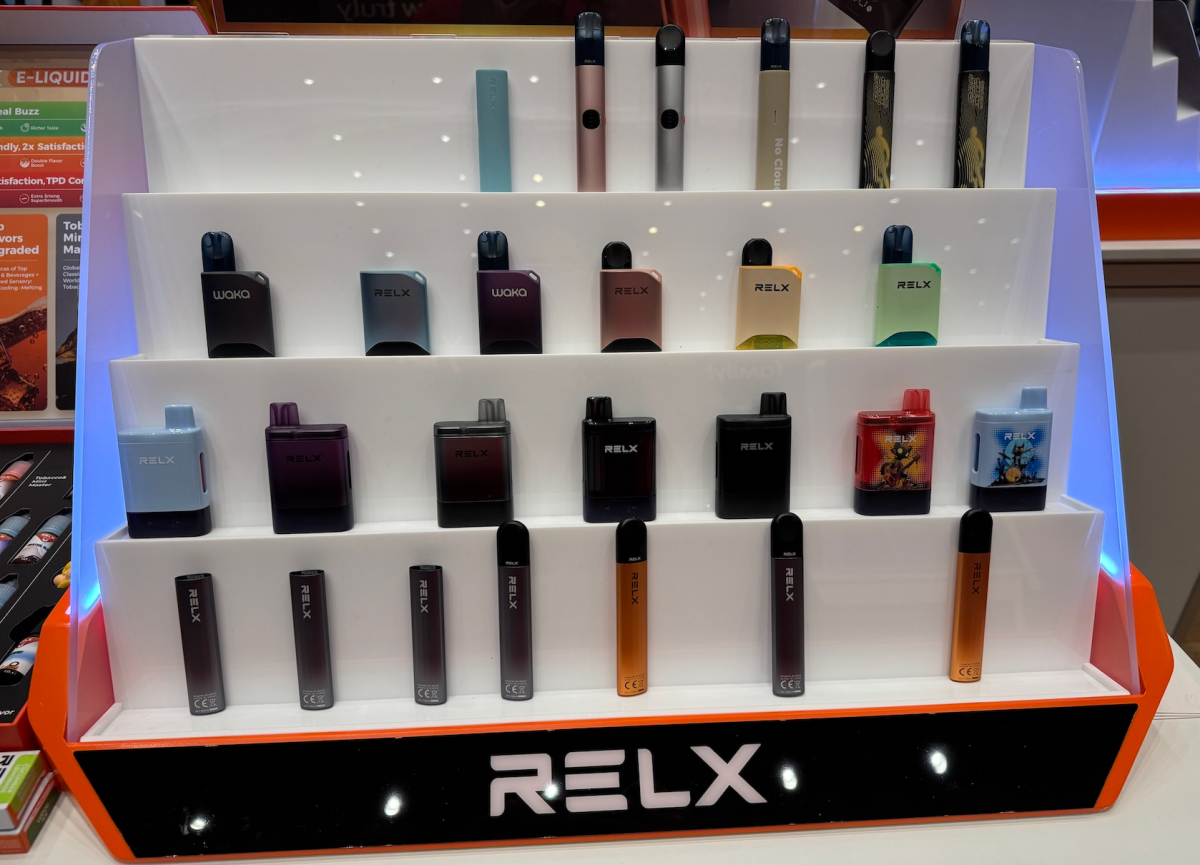
A new study from the University of East Anglia has found that issuing electronic cigarette starter kit vouchers on the NHS can even help stubborn smokers quit. The researchers worked with general practitioners and the local NHS stop smoking service commissioned by the Norfolk County Council public health department to establish a pilot e-cigarette shop voucher program to assist patients who had previously attempted to quit smoking but were unsuccessful.
A pilot study partially funded by Norfolk County Council has produced significant success, with 42% of "hardcore" smokers being recommended and redeeming their e-cigarette vouchers and subsequently found to have quit smoking within a month. The University of East Anglia has stated that due to the success of the pilot, the program has been expanded in Norfolk, with the research team hoping to promote it nationwide to help more smokers quit. Professor Caitlin Notley, Chief Researcher and Addiction Specialist at UEA's Norwich Medical School said, "Research shows that compared to nicotine replacement therapies such as patches and gums, e-cigarettes are an effective way to quit smoking. E-cigarettes are now the most popular quitting method.
Our previous studies have indicated that they may be particularly helpful in assisting people to not only quit smoking but to quit for good.
We want to see if general practitioners distributing e-cigarette shop vouchers and providing smoking cessation services can help smokers quit. We specifically hope to target vulnerable and disadvantaged smokers who have not been able to quit through other means," she added. Dr. Louise Smith, Director of Public Health for Norfolk, welcomes the initiative led by the council in partnership with UEA to further develop services to support smoking cessation.
The team is collaborating with general practitioners in Dartmouth to assist patients with co-morbidities who have previously attempted to quit smoking but were not successful.
Approximately 21% of residents living in Dartmouth smoke, compared to 14% in other areas of Norfolk and a national average of 15%. In a pilot program, 668 participants received vouchers for electronic cigarette shops, which they could use to purchase starter kits from local stores.
Among them, 340 individuals continue to redeem their vouchers.
In addition to picking up their starter kits, participants also received advice on the strength and flavor of e-liquids, as well as extra support from Smoke-free Norfolk.
The research team also interviewed several participants, as well as employees of e-cigarette shops, general practitioners, and staff of the smoke-free Norfolk initiative, to learn about their experiences.
Professor Notley continued, "This innovative approach demonstrates collaboration between local NHS smoking cessation services, e-cigarette retailers, and researchers, who recognize that other forms of smoking cessation support may not be suitable for everyone.
This program resulted in 42% of long-standing smokers successfully quitting within four weeks after redeeming vouchers. This is especially significant as it aids those who have made multiple unsuccessful attempts to quit smoking.
Overall, the project is popular among smokers due to its provision of an affordable electronic cigarette option. General practitioners support the program and appreciate the alternative it offers to entrenched smokers," she added.
The team hopes to launch a similar voucher scheme in the UK to assist more people in transitioning from smoking to vaping, and to reduce the number of people who continue to smoke.
This study was commissioned by Norfolk County Council and led by UEA, in collaboration with the local public health team and smoking cessation service Smokefree Norfolk.
On August 19th, the "Electronic Cigarette Voucher Pilot Program in Rural Counties of the UK" was published in the Nicotine and Tobacco Research Journal.
Statement
This article has been compiled from third-party information and is only intended for industry exchange and learning purposes.
The views expressed in this article do not represent the opinions of 2FIRSTS. 2FIRSTS is also unable to confirm the truthfulness or accuracy of the article's content. The article has been translated solely for the purpose of industry exchange and research.
Due to limitations in the translator's proficiency, the translated article may not express the original text accurately. Please refer to the original article for accuracy.
2FIRSTS fully aligns with the Chinese government's stance on any domestic, Hong Kong, Macau, Taiwan, and foreign-related issues.
The copyright for compiled information belongs to the original media and author. If there is any infringement, please contact us for deletion.
Disclaimer
This article is provided solely for professional research, industry discussion, and informational purposes. Any references to brands, companies, products, technologies, or policies are made for factual reporting and analytical purposes only, and do not constitute endorsement, recommendation, promotion, or advertising by 2Firsts.
Nicotine-containing products, including but not limited to cigarettes, e-cigarettes, heated tobacco products, and nicotine pouches, carry significant health risks. Readers are responsible for complying with all applicable laws and regulations in their respective jurisdictions, including age restrictions and access limitations.
The information contained in this article should not be regarded as investment, legal, medical, regulatory, or commercial advice. While 2Firsts strives to ensure the accuracy and reliability of its content, it does not assume liability for any direct or indirect loss arising from errors, omissions, inaccuracies, or reliance on the information contained herein.
This article is not intended for individuals below the legal age for accessing tobacco or nicotine-related information in their jurisdiction.
Copyright Notice
This article is either original content produced by 2Firsts or content reproduced, translated, summarized, or adapted from third-party sources with attribution where applicable. The intellectual property rights of the original content remain with 2Firsts or the respective original rights holders.
No individual or organization may copy, reproduce, distribute, republish, modify, translate, or otherwise use this content without prior authorization. Any unauthorized use may result in legal action.
For copyright-related inquiries, corrections, or removal requests, please contact: info@2firsts.com.
AI-Assisted Translation and Editing Notice
Portions of this article may have been translated, edited, or reviewed with the assistance of artificial intelligence tools to improve efficiency and readability. Due to the limitations of AI-assisted translation and editing, discrepancies, omissions, or inaccuracies may exist when compared with the original source.
Where applicable, readers are advised to refer to the original source for the most complete and accurate information. If you identify any errors or believe that any content infringes upon your rights, please contact us at info@2firsts.com, and we will review and address the matter promptly.