Observation | The penetration rate of MEMS-integrated microphones is on the rise, and their stability advantages are driving the industry's popularization

Aug.28.2025
Observation | The penetration rate of MEMS-integrated microphones is on the rise, and their stability advantages are driving the industry's popularization
The 6th Vape Industry Chain Exhibition was held in Shenzhen, 2Firsts observed that MEMS microphones are gradually gaining widespread application in the industry due to their advantages such as high temperature resistance, water resistance and oil resistance. With the increase in production capacity, their prices have become comparable to those of traditional products. Institutions predict that by 2031, the global market sales of MEMS microphones for e-cigarettes will reach 4.91 billion yuan, wit

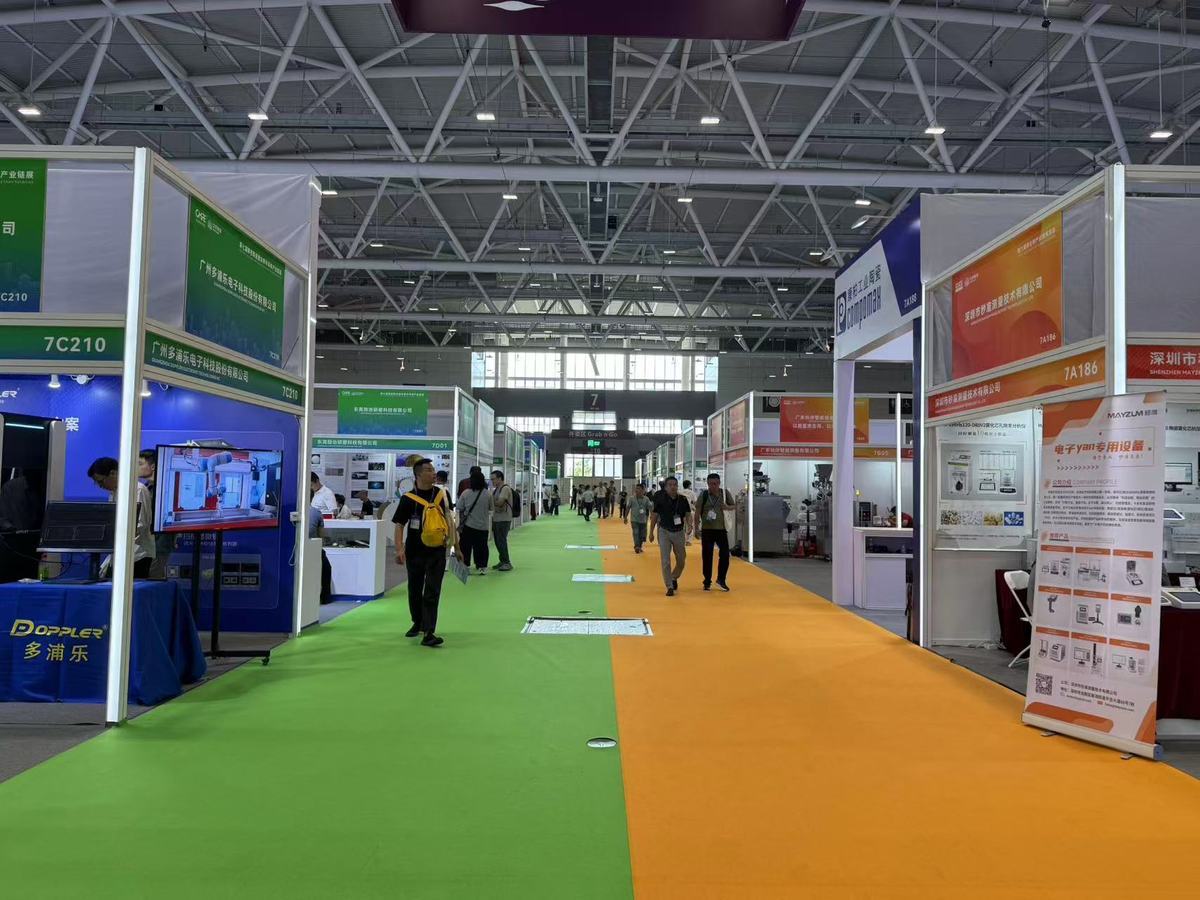
2Firsts, Shenzhen, August 27, 2025 — From August 26 to 29, the 6th Vape Industry Chain Exhibition was held in Shenzhen, where 2Firsts visited the venue and conducted research on the latest trends in the e-cigarette supply chain.


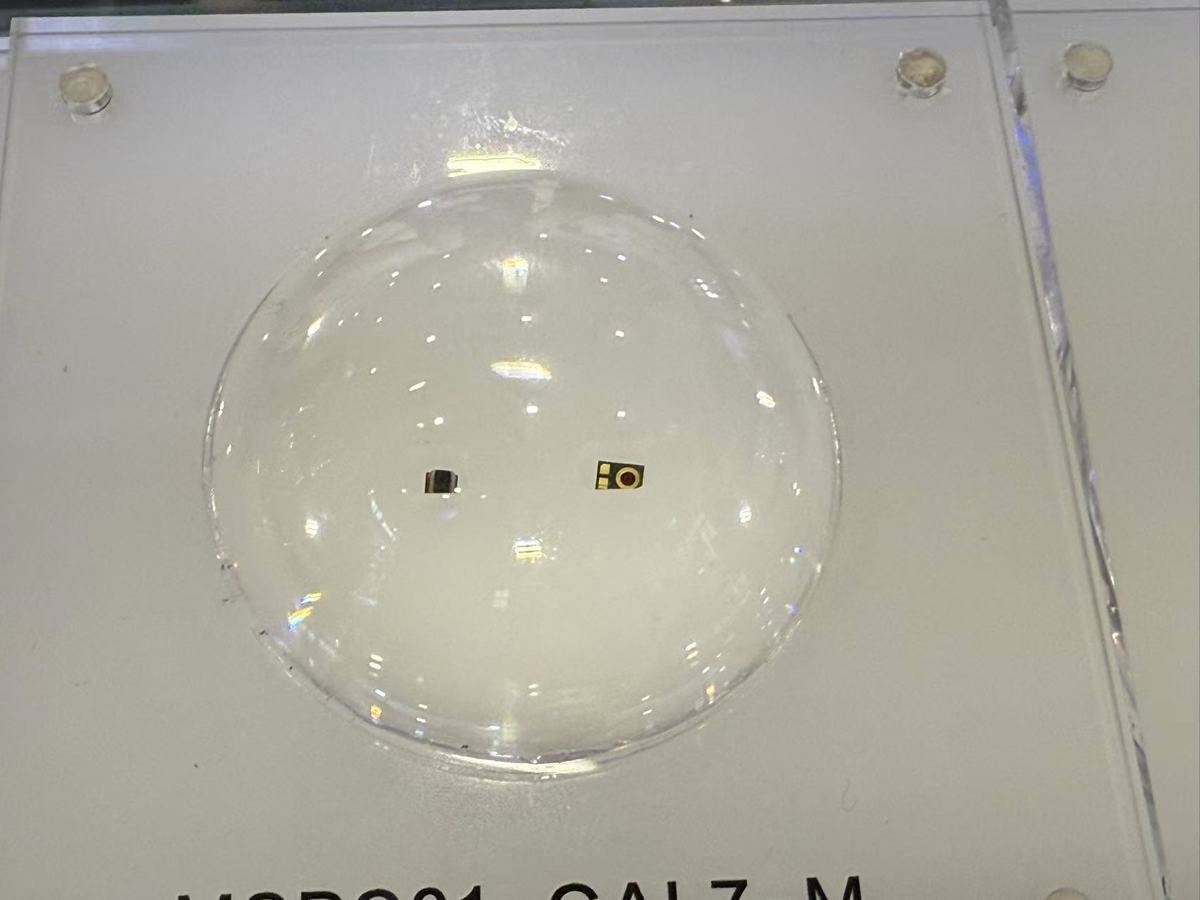
As one of the key components of e-cigarettes, electret microphones (ECMs) were widely used in the past. However, due to ECMs’ vulnerability to temperature and humidity as well as their insufficient stability, the industry has gradually shifted to MEMS-integrated microphones in recent years. By comparison, MEMS microphones have significantly improved performance in terms of high temperature resistance, water resistance, oil resistance and anti-volatilization; they also hold advantages in production yield and consistency.


A representative from a MEMS microphone manufacturer stated at the exhibition that a growing number of small and medium-sized e-cigarette manufacturers have begun to adopt MEMS microphones, whose stability effectively addresses the oil leakage issue commonly seen in traditional products. Although MEMS microphones had limited production volume and relatively high prices in the early promotion stage, with the increase in penetration rate and production capacity, their current unit price has become comparable to that of traditional ECMs.
Observation | The penetration rate of MEMS-integrated microphones is on the rise, and their stability advantages are driving the industry's popularization
MEMS integrated microphone | Image source: 2Firsts


2Firsts has learned that major manufacturers of MEMS microphones are concentrated in regions such as Jiangsu and Shandong. Most of these enterprises originally engaged in the manufacturing of consumer electronic products (e.g., mobile phone microphones) and are now gradually expanding into the e-cigarette sector. However, due to their distance from e-cigarette manufacturing hubs, these enterprises usually adopt a dual-channel model of agents and direct sales—for instance, setting up sales outlets in Shenzhen. Customers can either place orders through sales agents or contact the manufacturers directly. Currently, the market price of MEMS-integrated microphones is approximately 0.5 yuan per unit.


According to research data from QYResearch, the global market sales of MEMS microphones for e-cigarettes are expected to reach 4.91 billion yuan by 2031, with a compound annual growth rate (CAGR) of 10.2% from 2025 to 2031.


We welcome news tips, article submissions, interview requests, or comments on this piece.

Please contact us at info@2firsts.com, or reach out to Alan Zhao, CEO of 2Firsts, on LinkedIn


Notice

1.  This article is intended solely for professional research purposes related to industry, technology, and policy. Any references to brands or products are made purely for objective description and do not constitute any form of endorsement, recommendation, or promotion by 2Firsts.

2.  The use of nicotine-containing products — including, but not limited to, cigarettes, e-cigarettes, nicotine pouchand heated tobacco products — carries significant health risks. Users are responsible for complying with all applicable laws and regulations in their respective jurisdictions.

3.  This article is not intended to serve as the basis for any investment decisions or financial advice. 2Firsts assumes no direct or indirect liability for any inaccuracies or errors in the content.

4.  Access to this article is strictly prohibited for individuals below the legal age in their jurisdiction.


Copyright


This article is either an original work created by 2Firsts or a reproduction from third-party sources with proper attribution. All copyrights and usage rights belong to 2Firsts or the original content provider. Unauthorized reproduction, distribution, or any other form of unauthorized use by any individual or organization is strictly prohibited. Violators will be held legally accountable.

For copyright-related inquiries, please contact: info@2firsts.com


AI Assistance Disclaimer


This article may have been enhanced using AI tools to improve translation and editorial efficiency. However, due to technical limitations, inaccuracies may occur. Readers are encouraged to refer to the cited sources for the most accurate information.

We welcome any corrections or feedback. Please contact us at: info@2firsts.com

PMI Pushes Smoke-Free Business in Latin America as Argentina Lifts Heated Tobacco Ban, Mexico City Share Tops 7%
Philip Morris International (PMI) showcased IQOS heated tobacco systems and nicotine pouch products at Technovation 2026 in Buenos Aires on October 7–8, presenting research on consumer attitudes, regulatory developments and illicit cigarette trade across Latin America. PMI Chief Global Growth Officer Stefano Volpetti said smoke-free products accounted for more than 7% of the Mexico City market. Argentina repealed its heated tobacco ban in May 2026 and introduced registration requirements for tobacco and nicotine products, while local media reported nicotine pouch sales in Mendoza. A PMI-commissioned survey found that only 8% of respondents across four Latin American countries were familiar with nicotine pouches. A separate KPMG study estimated illicit cigarette consumption at 77 billion sticks across 11 markets in Latin America and Canada in 2025.
PMI
Oct.13
U.S. Judge Stays Helix, NJOY Challenge to FDA PMTA Rule Pending New Rulemaking Court Stays Altria's Helix, NJOY Challenge to PMTA Rule as FDA Prepares New Rulemaking
A federal judge in Texas on Oct. 8 granted a joint request by the FDA and plaintiffs including Altria subsidiaries Helix Innovations and NJOY to stay litigation challenging the agency's 2021 PMTA rule. The court cited FDA's anticipated rulemaking concerning the regulation at issue. FDA announced on Sept. 28 that it intends to reassess the PMTA framework and could initiate new rulemaking to replace it. The parties must file a joint status report within 45 days and every 45 days thereafter. A motion by three Reynolds American companies to intervene remains pending.
Regulations
Oct.10
German Customs Seize 115,800 Vapes in €1.4 Million Tax Case
Germany's Magdeburg Main Customs Office seized 115,800 untaxed e-cigarettes containing a combined 4.366 million mL of e-liquid during four truck inspections between August 10 and September 4, 2026. The seizures prevented an estimated €1.397 million in tax losses and set a record for the customs office's jurisdiction. Criminal proceedings have been initiated against four truck drivers. The case follows a separate German investigation involving more than 7.6 million illicit vapes and an estimated €33.3 million in excise-tax losses.
Enforcement
Oct.13
Russia Expands Temporary Administration of JTI Assets in Second Round: From Four to All Seven Russian Entities, With Approximately $9.5 Billion in Related Assets
Japan Tobacco Inc. (JT) confirmed on November 9, 2026, that all seven of its Russian entities had been placed under temporary administration after a second presidential decree added three companies to the four designated a day earlier. The additional entities are associated with importing, management, holdings and the former supply of Ploom heated-tobacco devices. JT disclosed approximately ¥1.5 trillion in Russian business-related assets as of September 30, including ¥360 billion in cash and deposits, and approximately ¥200 billion in liabilities. Under its revised FY2026 forecast, Russia accounts for about 25% of adjusted operating profit. JT said operations in Russia were continuing, while the financial impact remained under assessment.
company
Nov.09
Special Report|RLX Technology Consolidates European Distribution Business for First Time: Q3 2026 Revenue Rises Nearly 70%, Gross Margin Falls to 23.3%
RLX Technology reported a 69.7% year-on-year increase in third-quarter 2026 revenue to RMB1.92 billion ($285.9 million), driven primarily by the consolidation of a newly acquired Western European distributor. International markets accounted for 86.5% of revenue. The acquisition followed RLX's RMB744 million purchase of controlling interests in UK vaping company Totally Wicked in 2025, expanding the group's directly controlled European retail and distribution operations. SEC filings also show that purchases from Shenzhen Smoore Technology Limited declined from 80% of RLX's total purchases in 2022 to 23% in 2025. Third-quarter gross margin fell to 23.3%, while GAAP operating income declined 57.7%.
Business
Nov.20
Hungary Moves to End BAT-Backed Tobacco Supply Monopoly Eight Years Early After $200 Million in Profits, With No Compensation Planned
Hungary's government announced on November 18, 2026, plans to terminate the exclusive tobacco retail supply concession held by Országos Dohányboltellátó (ODBE) on June 1, 2027, approximately eight years before the contract's scheduled expiry in 2035. ODBE is owned 49% by a Hungarian subsidiary of British American Tobacco (BAT) and 51% by Tabán Trafik. It has served as the exclusive supplier to Hungary's licensed tobacco retail network since 2015. The proposed legislation would end the concession without compensation and allow other qualified suppliers and tobacco wholesalers to serve retailers directly. ODBE generated HUF 67.3 billion (approximately $200 million) in after-tax profit between 2015 and 2025 and distributed nearly HUF 64 billion ($191 million) in dividends. The bill also proposes changes to retail margins, inventory rules, payment arrangements and procurement penalties, including those affecting heated tobacco products.
company
Nov.19 by 2Firsts Perspectives