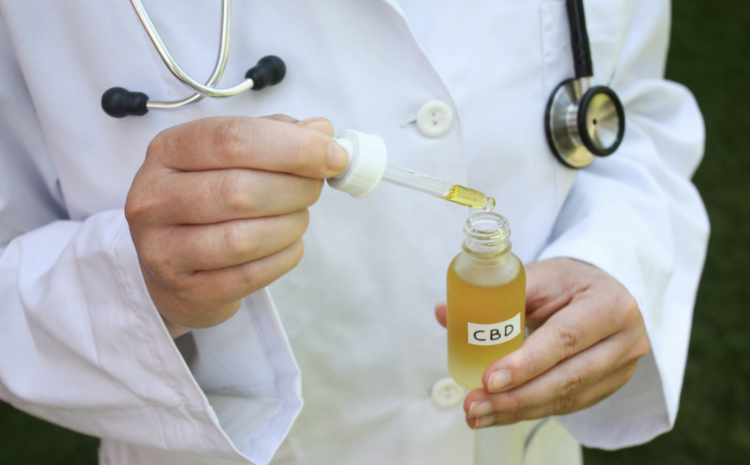
The US Food and Drug Administration (FDA) is reportedly planning to propose guidelines on how to regulate the use of the popular cannabis compound cannabidiol (CBD) in food and supplements, according to officials cited by The Wall Street Journal.
According to a report, after weighing the evidence regarding the safety of the compound, the FDA will decide within the next few months how to regulate legal cannabis and whether new agency regulations or new legislation from Congress are necessary.
During an interview, Janet Woodcock, the Deputy Commissioner of the FDA and the official responsible for cannabis regulation, expressed concerns about the safety of CBD and whether the current regulatory measures for food and dietary supplements apply to this substance.
However, the agency needs to determine if long-term consumption or consumption during pregnancy of CBD is safe.
Woodcock expressed concerns about the potential impact on future fertility, but at the same time her comments suggest that the organization is working to establish regulatory frameworks to legally sell appropriate marijuana and marijuana-derived products.
CBD is a compound found in the cannabis plant. It is one of the main components of cannabis, but unlike THC, it does not cause a high or have any psychoactive effects.
The 2018 Agriculture Bill legalized marijuana cultivation in the United States, leading to significant growth in the CBD product market. These products are sold as dietary supplements and are believed to be beneficial for health. Consequently, many businesses in the cannabis industry are selling CBD products nationwide.
In recent months, the FDA has issued warning letters to at least nine companies illegally selling products containing CBD. These companies are accused of selling products containing CBD, which the FDA warns some people may confuse with traditional food or drink products that do not contain CBD, or make medical claims about their CBD products.
In 2021, the FDA informed one of the world's largest CBD companies, Charlotte's Web Holdings, that their CBD products cannot be sold as dietary supplements. This indicates that CBD reform may need to wait for action from Congress.
The FDA has not yet approved any CBD-based products for use as dietary supplements. The only FDA-approved CBD-based product is Epidiolex, a prescription medication used to treat seizures associated with Lennox-Gastaut syndrome and Dravet syndrome in children two years of age and older.
Disclaimer
This article is provided solely for professional research, industry discussion, and informational purposes. Any references to brands, companies, products, technologies, or policies are made for factual reporting and analytical purposes only, and do not constitute endorsement, recommendation, promotion, or advertising by 2Firsts.
Nicotine-containing products, including but not limited to cigarettes, e-cigarettes, heated tobacco products, and nicotine pouches, carry significant health risks. Readers are responsible for complying with all applicable laws and regulations in their respective jurisdictions, including age restrictions and access limitations.
The information contained in this article should not be regarded as investment, legal, medical, regulatory, or commercial advice. While 2Firsts strives to ensure the accuracy and reliability of its content, it does not assume liability for any direct or indirect loss arising from errors, omissions, inaccuracies, or reliance on the information contained herein.
This article is not intended for individuals below the legal age for accessing tobacco or nicotine-related information in their jurisdiction.
Copyright Notice
This article is either original content produced by 2Firsts or content reproduced, translated, summarized, or adapted from third-party sources with attribution where applicable. The intellectual property rights of the original content remain with 2Firsts or the respective original rights holders.
No individual or organization may copy, reproduce, distribute, republish, modify, translate, or otherwise use this content without prior authorization. Any unauthorized use may result in legal action.
For copyright-related inquiries, corrections, or removal requests, please contact: info@2firsts.com.
AI-Assisted Translation and Editing Notice
Portions of this article may have been translated, edited, or reviewed with the assistance of artificial intelligence tools to improve efficiency and readability. Due to the limitations of AI-assisted translation and editing, discrepancies, omissions, or inaccuracies may exist when compared with the original source.
Where applicable, readers are advised to refer to the original source for the most complete and accurate information. If you identify any errors or believe that any content infringes upon your rights, please contact us at info@2firsts.com, and we will review and address the matter promptly.