Key Points
- Adult vaping prevalence in France reached 7.9%.
- Daily vaping rose to 6.1%.
- E-liquid tax and vaping-zone debates are intensifying.
- Scientific views remain divided on cessation use.
2Firsts
June 23, 2026 — According to French vape-industry outlet Vapoteurs.net, France’s vape market has entered a period of rising use alongside increasing regulatory and tax pressure. Data from Santé publique France show that 7.9% of people aged 18 to 79 in France reported vaping in 2024, including 6.1% who vaped daily.
Rising Use and Market Base
Santé publique France data show that vaping and daily vaping have followed an upward trend in France since 2016. Vapoteurs.net cited the figures as evidence that vaping has become more embedded in the habits of adult consumers in France.
The article also cited a sector review published by VL Média in early June 2026, saying France remains one of Europe’s more active vape markets, supported by a dense network of specialty shops and a product offer that continues to evolve.
However, market growth does not mean lower regulatory risk. As vaping prevalence rises, government bodies, public-health agencies and lawmakers are paying closer attention to youth appeal, flavors, advertising compliance and use in public spaces.
From an industry perspective, the central tension in France is that vaping is viewed by some professional bodies as a cessation or harm-reduction tool for adult smokers, while it is also facing closer scrutiny over youth use, flavor marketing and potential long-term health effects.
Tax and Regulatory Pressure
Vapoteurs.net said the French vape industry faces unprecedented fiscal and regulatory pressure. The article said the principle of an e-liquid tax has been adopted and that it is expected to take effect on October 1, 2026. Given that France’s vape-tax proposals have shifted during budget discussions, the final implementation date and rate should still be confirmed against official texts.
If implemented, an e-liquid tax could raise consumer costs for vaping products and put pressure on the margins of specialty shops, wholesalers and smaller distributors. For the French market, it would move vaping from a relatively low-tax nicotine alternative toward a fiscal framework closer to that applied to traditional tobacco products.
Beyond taxation, debate over public-space vaping restrictions is also intensifying. Vapoteurs.net said a poll published in late May 2026 found that about seven in 10 French respondents supported banning vaping in non-smoking areas. Such public opinion could influence future legislative discussions.
Advertising compliance has also become a regulatory focus. In May 2026, the Paris criminal court fined Philip Morris France €500,000 for illegal advertising related to heated tobacco and vaping products. The ruling shows French courts are continuing to scrutinize marketing boundaries for new tobacco and nicotine products.
For companies, regulatory attention is moving beyond product sales into taxation, public-space use, promotional compliance and channel image. If vaping restrictions are expanded, French vape shops, brands and distributors will need to manage both higher price sensitivity and narrower marketing room.
Scientific Debate and Industry Challenges
Vapoteurs.net said the French vape market is also operating amid scientific tension. In a 2026 health-risk assessment of vaping products, France’s food, environmental and occupational health agency, Anses, identified possible or probable health risks, including cardiovascular, respiratory and potential carcinogenic effects, even when products do not contain nicotine.
Anses recommended restricting vaping to supervised smoking-cessation settings, rather than promoting it as an ordinary consumer product. That position could support further French restrictions on flavors, marketing and use contexts.
At the same time, the French-speaking Society for Smoking Cessation, or Société Francophone de Tabacologie (SFT), previously published an expert consensus saying the benefit-risk balance of vaping in smoking cessation is broadly favorable and that it can be used as one tool to help adult smokers quit. The consensus shows that French professional opinion has not rejected vaping’s role in cessation.
The article also said a study reported by Futura Sciences in early June 2026 identified changes in more than 3,000 genes among vapers and pointed to flavors as a main factor. The study still requires careful interpretation in light of sample design, methodology and long-term follow-up, but its findings may add pressure to France’s debate over vape flavors.
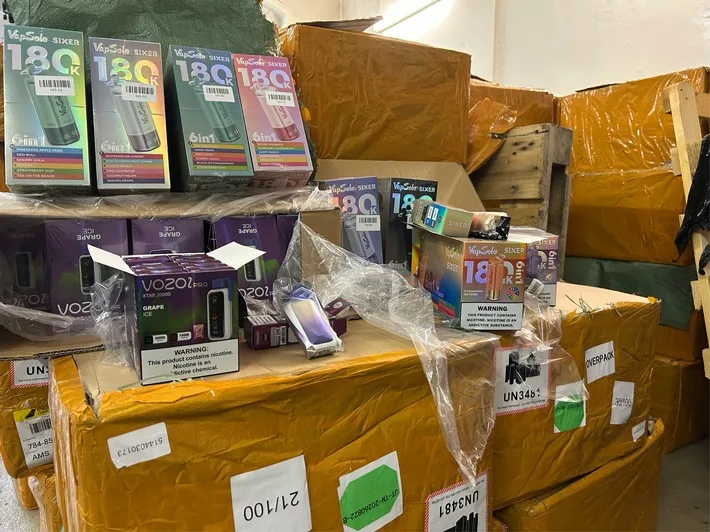
The French vape industry also faces structural challenges. The article said competition from puffs and illicit products continues, with grey-market activity weakening legal distribution networks. Rising taxes, compliance costs and competition from online platforms are also putting pressure on independent vape-shop margins, while the perceived “glamorisation” of vaping among young people continues to draw public criticism.
Looking ahead, autumn 2026 could be an important period for the French vape market. If an e-liquid tax takes effect and public-space restrictions return to Parliament, the industry will need to more clearly demonstrate its role in harm reduction and smoking cessation for adult smokers, while strengthening self-regulation, age verification and marketing compliance.
For French vape companies, future competition will depend not only on product innovation and store networks but also on their ability to balance taxation, scientific evidence, public-health concerns and compliant marketing. If the industry fails to address regulatory concerns, lawmakers may use stricter rules to redefine the boundaries of the French vape market.
Follow 2Firsts for the latest updates on global tobacco harm reduction, nicotine products and regulatory developments.