Key Points
- Minnesota Attorney General Keith Ellison sued Maduro Distributors, Inc., doing business as Loon, on July 15, 2026.
- The lawsuit alleges that Loon sold flavored vapes such as Cotton Candy, Blue Razz Slushy and Banana Taffy.
- The complaint also cites youth-appealing characters or imagery, including Bowser, Frankenstein and dragons.
- Minnesota’s 2024 deceptive vapor products law prohibits vapes that imitate candy, beverages, school supplies or use characters appealing to minors.
- The Attorney General’s Office says the FDA has never authorized Loon to market its tobacco products.
- FDA records show that Maduro Distributors d/b/a The Loon had previously received FDA attention in 2019 and 2021.
2Firsts
July 16, 2026
According to the Minnesota Star Tribune, Minnesota Attorney General Keith Ellison is suing the Minnesota-based vaping brand Loon, alleging that it sold candy-flavored vaping products that violate state law. The report noted that Minnesota banned “deceptive vapor products” in 2024, including vapes with flavors commonly marketed to children.
The Minnesota Attorney General’s Office said on July 15 that Ellison filed the lawsuit in Ramsey County against Maduro Distributors, Inc., doing business as Loon. In other words, Loon is the brand name at issue, while Maduro Distributors Inc. is the corporate defendant in the case. The lawsuit alleges illegal manufacture, distribution and sale of flavored vapes that appeal to youth, and seeks a permanent injunction and monetary relief.
Lawsuit Cites Candy, Beverage and Dessert-Flavored Vapes
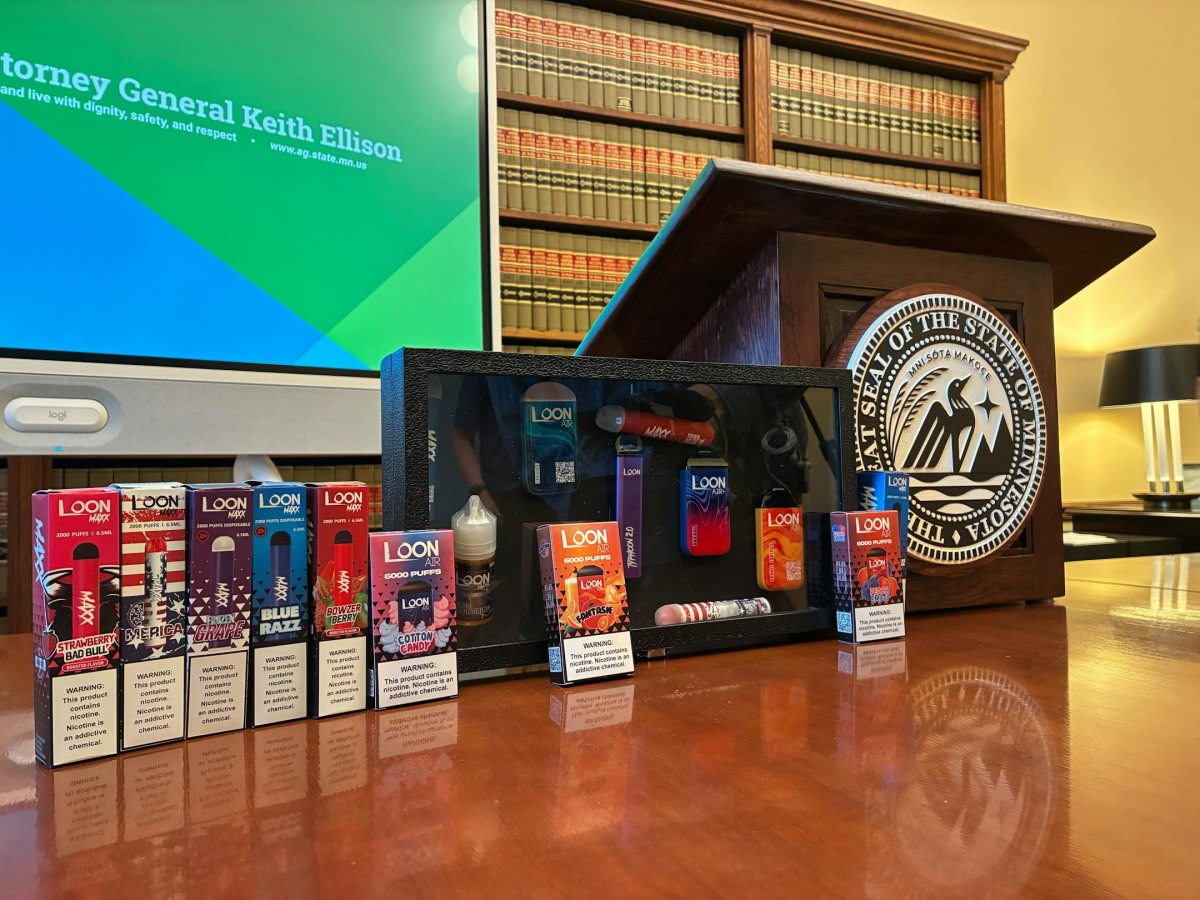
The Attorney General’s Office said Loon sold nicotine-laced products in flavors including Cotton Candy, Strawberry Popsicle, Banana Taffy and Blue Razz Slushy. Ellison said he filed the lawsuit to halt the distribution and sale of Loon vapes in Minnesota.
The office also said Loon marketed and sold products using names, flavors and images associated with candy, beverages, desserts and youth-appealing characters. Examples cited by the office include Cotton Candy, Banana Taffy, Berry Lemon Bubble Gum and Pomegranate Lemon Drop, as well as Mountain Dude, which the office described as referencing Mountain Dew, Bad Bull, referencing Red Bull, and Orange Fantasie, referencing Fanta.
The Attorney General’s Office said the company also used youth-appealing characters and imagery, including Bowser, Frankenstein and dragons, and referred to a Purple Blitz product that appeared to reference the Minnesota Vikings. The office said Loon sold products in both English- and Spanish-language packaging and descriptions that highlighted candy, soda, dessert, characters and other youth-appealing aspects.
Minnesota Banned “Deceptive Vapor Products” in 2024
One basis for the lawsuit is Minnesota’s 2024 prohibition on deceptive vapor products. Minnesota Statutes Section 325F.7821 says a person or entity must not market, promote, label, brand, advertise, distribute, offer for sale or sell a vapor product by imitating a product that is not a vapor product.
The statute covers products imitating food or food brands commonly marketed to minors, including candy, desserts and beverages; school supplies commonly used by minors, including erasers, highlighters, pens and pencils; and products based on or depicting a character, personality or symbol known to appeal to minors, including celebrities, comic book, movie, television or video game characters, and mythical creatures.
The Attorney General’s Office said Loon’s products clearly violate Minnesota’s deceptive vapor products law. CBS Minnesota also reported that the 2024 law prohibits the sale of products that depict or use terms for food, beverage, dessert or candy commonly marketed to youth, as well as products using characters, personalities or symbols known to minors.
Loon Also Accused of Misleading FDA Status Claims
Beyond product marketing, the lawsuit also focuses on Loon’s statements about its FDA regulatory status.
The Attorney General’s Office said Loon represented to the public that its products were “accepted for PMTA approval from the FDA.” The office said PMTA refers to the premarket tobacco product application manufacturers file with the FDA to seek marketing authorization under federal law, but that the FDA has never authorized Loon to market its tobacco products.
The distinction is important in a compliance context. A PMTA being received, filed or under review by the FDA is not the same as a product receiving a marketing granted order, or MGO. In the United States, new tobacco products must receive FDA premarket authorization before they can be legally marketed; a pending application alone does not mean the product is authorized for sale.
Maduro Had Previously Drawn FDA Scrutiny
Public regulatory records show that Maduro Distributors d/b/a The Loon had previously drawn attention from regulators. In 2019, the FDA sent a letter to Maduro saying the company may have been manufacturing new finished tobacco products, including Loon Pods and the Loon Pod Starter Kit, without premarket authorization, and asked the company to provide information on when the products entered the market and the basis for authorization.
In 2021, the FDA issued a warning letter to Maduro Distributors d/b/a The Loon. The agency said it reviewed The Loon’s website and determined that certain electronic nicotine delivery system, or ENDS, products listed there were being manufactured and offered for sale or distribution in the United States. The FDA also said products including Loon 300 – Pink Lemonade and Loon Bullet Bubble Gum lacked marketing authorization and were not otherwise exempt from authorization requirements.
The FDA letter also stated that Maduro Distributors was a registered manufacturer with more than 200 products listed with the agency. The FDA said it had received a PMTA from the firm on September 8, 2020, covering 18 products, but that the company continued to manufacture and offer for sale or distribution new tobacco products that were not included in that PMTA and lacked premarket authorization.
These records show that Maduro and the Loon brand had already entered the FDA’s regulatory field of view over unauthorized vaping products. The new lawsuit by the Minnesota Attorney General shifts the focus further toward state-level consumer protection, youth protection and deceptive vapor product laws.
Loon Is the Brand, While Maduro Is the Corporate Defendant
The Minnesota Attorney General’s Office said the defendant in the lawsuit is Maduro Distributors, Inc., doing business as Loon. Public trademark records show that Maduro has applied for several LOON-related marks in recent years, covering vaping products, e-liquids and some oral nicotine or tobacco pouch categories.
The lawsuit and public reports do not identify the specific manufacturer or OEM source of Loon products. In its announcement, the Attorney General’s Office said large numbers of flavored disposable vapes are imported from China and sold through convenience stores, gas stations and tobacco shops, but it did not name a specific manufacturer for Loon products.
The case shows that Minnesota’s action is directed at a U.S.-based brand operator and distribution entity. For state enforcement agencies, the responsibilities of brand owners, importers and distributors in product marketing, packaging, retail distribution and compliance claims are becoming a key focus of vape regulation.
Ellison Previously Warned Retailers and Investigated Loon
The lawsuit follows earlier actions by Minnesota authorities. The Attorney General’s Office said Ellison sent a letter in August 2024 to more than 5,000 tobacco distributors and retailers, including Loon, asking them to stop distributing, marketing and selling unauthorized and illegal flavored tobacco products in Minnesota.
The letter said that, under federal law, new tobacco products, whether containing tobacco-derived nicotine or synthetic nicotine, must receive FDA premarket authorization before they can be legally sold in the United States. The office also warned that selling or distributing unauthorized and illegal tobacco products may violate Minnesota consumer-protection laws and the state’s 2024 deceptive vapor products law.
In January 2025, Ellison’s office announced a civil investigation into Loon to determine whether it had violated Minnesota’s deceptive-vaping and consumer-protection laws. The Attorney General’s Office said Loon nevertheless continued to sell dozens of products that violated Minnesota law after receiving the warning letter.
Lawsuit Continues Minnesota’s Vape Enforcement Strategy
Minnesota has intensified regulation of youth nicotine use and vape marketing in recent years. The Attorney General’s Office said the state raised the minimum purchase age for tobacco products from 18 to 21 in 2020 and passed the deceptive vapor products law in 2024.
CBS Minnesota reported that Minnesota previously sued Juul in 2019, alleging violations of consumer protection laws and marketing nicotine to children. The state later received a $60.5 million settlement, with funds directed toward youth smoking and vaping cessation programs.
The Loon lawsuit shows that state-level enforcement in the United States is increasingly focusing on domestic brand operators, importers and distributors. Unlike the FDA, which focuses on marketing authorization, import compliance and federal tobacco regulation, state attorneys general can use consumer-protection laws, youth-protection rules and state-level vape packaging restrictions to act against local companies and distribution networks.
For the industry, this means U.S. vape enforcement pressure is extending beyond the question of whether a product has FDA authorization to include who owns the brand in the United States, who imports the product, who organizes distribution and who sells into retail channels. As flavored vapes, candy-like packaging and youth appeal remain enforcement priorities, U.S.-based brand owners and distributors may face more direct state-level legal risk.
Follow 2Firsts for the latest updates on global tobacco harm reduction, nicotine products and regulatory developments.
Cover Image source: Minnesota Star Tribune / Minnesota Attorney General’s Office
Disclaimer
This article is provided solely for professional research, industry discussion, and informational purposes. Any references to brands, companies, products, technologies, or policies are made for factual reporting and analytical purposes only, and do not constitute endorsement, recommendation, promotion, or advertising by 2Firsts.
Nicotine-containing products, including but not limited to cigarettes, e-cigarettes, heated tobacco products, and nicotine pouches, carry significant health risks. Readers are responsible for complying with all applicable laws and regulations in their respective jurisdictions, including age restrictions and access limitations.
The information contained in this article should not be regarded as investment, legal, medical, regulatory, or commercial advice. While 2Firsts strives to ensure the accuracy and reliability of its content, it does not assume liability for any direct or indirect loss arising from errors, omissions, inaccuracies, or reliance on the information contained herein.
This article is not intended for individuals below the legal age for accessing tobacco or nicotine-related information in their jurisdiction.
Copyright Notice
This article is either original content produced by 2Firsts or content reproduced, translated, summarized, or adapted from third-party sources with attribution where applicable. The intellectual property rights of the original content remain with 2Firsts or the respective original rights holders.
No individual or organization may copy, reproduce, distribute, republish, modify, translate, or otherwise use this content without prior authorization. Any unauthorized use may result in legal action.
For copyright-related inquiries, corrections, or removal requests, please contact: info@2firsts.com.
AI-Assisted Translation and Editing Notice
Portions of this article may have been translated, edited, or reviewed with the assistance of artificial intelligence tools to improve efficiency and readability. Due to the limitations of AI-assisted translation and editing, discrepancies, omissions, or inaccuracies may exist when compared with the original source.
Where applicable, readers are advised to refer to the original source for the most complete and accurate information. If you identify any errors or believe that any content infringes upon your rights, please contact us at info@2firsts.com, and we will review and address the matter promptly.