Key Points
- Hull ranked first
- Over 3,000 annual incidents
- Vapes and pouches involved
- Hotspots persisted over five years
2Firsts
June 16, 2026 — According to Talking Retail, Freedom of Information (FOI) data analysed by nicotine pouch retailer and information platform Haypp shows UK councils recorded more than 3,000 seizure incidents involving illicit nicotine-containing products in 2024/25, covering vapes, nicotine pouches, smokeless tobacco and other nicotine products.
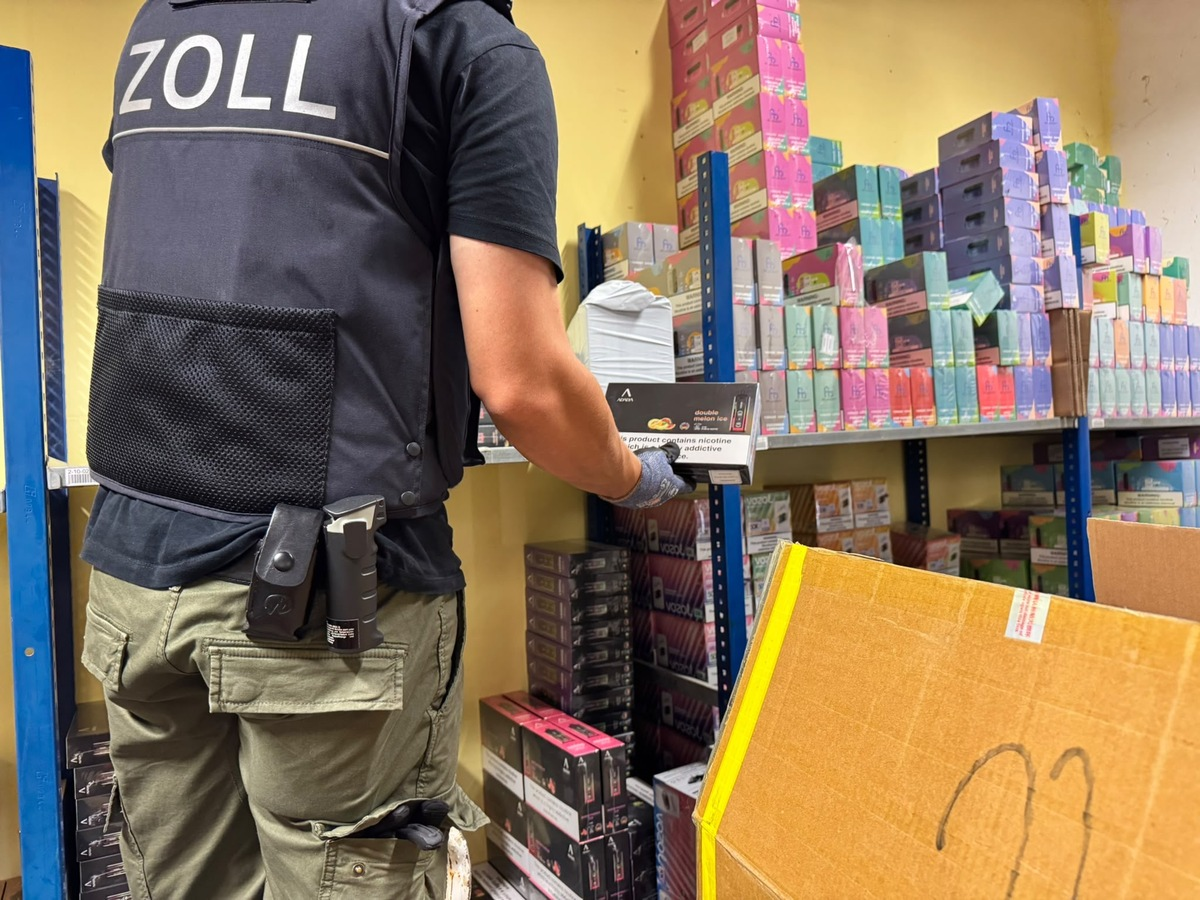
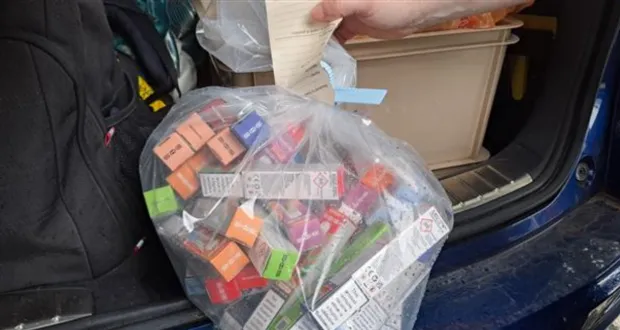
Hull City Council recorded the highest level of seizure activity in 2024/25, with 318 incidents. The figure accounted for nearly two-fifths, or 39%, of the council’s total seizures over the past five years. The council said it seized more than 2.9 million illicit nicotine items during the year, including more than 2.8 million cigarette sticks and 38,740 e-cigarettes and vapes. The seizures took place at locations including newsagents and vehicles and resulted in 24 enforcement actions.
Liverpool City Council ranked second with 183 seizure incidents. The council reported seizing more than 46,300 illegal nicotine-containing products in 2024/25, with all incidents taking place at convenience stores. The enforcement actions resulted in 30 closure orders. Bolton Metropolitan Borough Council ranked third with 170 seizures and more than 752,000 illicit nicotine items seized from premises including off-licences and vape shops. The seized items included 3,294 nicotine pouch products, 9.27 kilograms of smokeless tobacco, 748,873 cigarette sticks and 239.03 kilograms of hand-rolling tobacco.
Other councils in the top 10 for 2024/25 included Kent County Council with 169 seizure incidents, Stoke-on-Trent City Council with 166, Lancashire County Council with 134, Warwickshire County Council with 93, Coventry City Council with 91, Southwark Borough Council with 85 and Lincolnshire County Council with 85.
Over the five-year period from 2020/21 to 2024/25, Hull City Council also recorded the highest number of seizure incidents, with a total of 815. The council said it seized more than 10.7 million illegal nicotine-containing products during the period, with the highest annual total, almost 4.8 million items, recorded in 2022/23. The number of seizure incidents rose year on year, from 38 in 2020/21 to 318 in 2024/25, an increase of 737%.
Liverpool City Council ranked second over the five-year period with 428 seizure incidents. During that time, the council reported seizing more than 102,130 illicit nicotine items, including more than 88,180 vapes. Lancashire County Council ranked third with 426 incidents and has seized approximately 255,225 illegal nicotine-containing products since 2020/21 from locations including convenience stores, vape shops, barbers, petrol stations and private vehicles.
Marina Murphy, senior director of scientific affairs at Haypp, said illicit nicotine-containing products are a growing issue in the UK. She said such products may include items that have not entered the UK through regular channels or products that do not meet required safety or labelling standards. Because illicit products are manufactured or imported outside regulated channels, consumers cannot be certain about their ingredients or nicotine levels, she said, which may expose them to poor-quality or unsafe products.
Murphy said some products may show clear warning signs of non-compliance, including inconsistent packaging, missing compliance information or sales in unregulated environments such as car boot sales. However, she said it can be difficult to identify an illicit nicotine product, and improving public understanding of these indicators is an important step in raising awareness and helping consumers recognise and avoid non-compliant products.
The data points to a concentration of enforcement activity in certain parts of the UK. For legal retailers and compliant brands, the circulation of illicit products may affect market order and consumer trust. For local enforcement authorities, the increase in recorded seizures also underscores the overlap between vapes, nicotine pouches, smokeless tobacco and traditional tobacco products in retail compliance enforcement.
Follow 2Firsts for the latest updates on global tobacco harm reduction, nicotine products and regulatory developments.
Cover image:talkingretail
Disclaimer
This article is provided solely for professional research, industry discussion, and informational purposes. Any references to brands, companies, products, technologies, or policies are made for factual reporting and analytical purposes only, and do not constitute endorsement, recommendation, promotion, or advertising by 2Firsts.
Nicotine-containing products, including but not limited to cigarettes, e-cigarettes, heated tobacco products, and nicotine pouches, carry significant health risks. Readers are responsible for complying with all applicable laws and regulations in their respective jurisdictions, including age restrictions and access limitations.
The information contained in this article should not be regarded as investment, legal, medical, regulatory, or commercial advice. While 2Firsts strives to ensure the accuracy and reliability of its content, it does not assume liability for any direct or indirect loss arising from errors, omissions, inaccuracies, or reliance on the information contained herein.
This article is not intended for individuals below the legal age for accessing tobacco or nicotine-related information in their jurisdiction.
Copyright Notice
This article is either original content produced by 2Firsts or content reproduced, translated, summarized, or adapted from third-party sources with attribution where applicable. The intellectual property rights of the original content remain with 2Firsts or the respective original rights holders.
No individual or organization may copy, reproduce, distribute, republish, modify, translate, or otherwise use this content without prior authorization. Any unauthorized use may result in legal action.
For copyright-related inquiries, corrections, or removal requests, please contact: info@2firsts.com.
AI-Assisted Translation and Editing Notice
Portions of this article may have been translated, edited, or reviewed with the assistance of artificial intelligence tools to improve efficiency and readability. Due to the limitations of AI-assisted translation and editing, discrepancies, omissions, or inaccuracies may exist when compared with the original source.
Where applicable, readers are advised to refer to the original source for the most complete and accurate information. If you identify any errors or believe that any content infringes upon your rights, please contact us at info@2firsts.com, and we will review and address the matter promptly.