
The "GTNF InFocus 2024" was held online as scheduled on the evening of May 22, Beijing time. The forum focused on two core themes: "Myths about Nicotine and Its Harms" and "The Nicotine Industry from an Agricultural Perspective."
The forum began with a welcome address from GTNF founder and Executive Director of the GTNF Trust Fund, Elise Rasmussen. In her speech, Rasmussen highlighted the uncertainty in global nicotine regulation, emphasizing the volatile tobacco policies in the UK and US since the end of last year. She also expressed gratitude to the experts sharing their insights at the forum.
Dispelling Nicotine Myths: A "Horror" Narrative Around E-Cigarettes
The first keynote speech was delivered by Michael Strupp, Professor of Neurology at Ludwig Maximilian University of Munich Medical School. His presentation focused on the pathological characteristics of nicotine and synthetic nicotine, detailing the molecular structure, receptors, and anatomical absorption process in the human body.
Professor Strupp reiterated his key point that nicotine, as a molecular structure, is not carcinogenic. He vividly compared e-cigarettes to traditional combustible cigarettes using the analogy of electric cars versus fuel cars, highlighting that the underlying logic of e-cigarettes is similar to the advantages of electric cars, which are "a cleaner process and less damage."

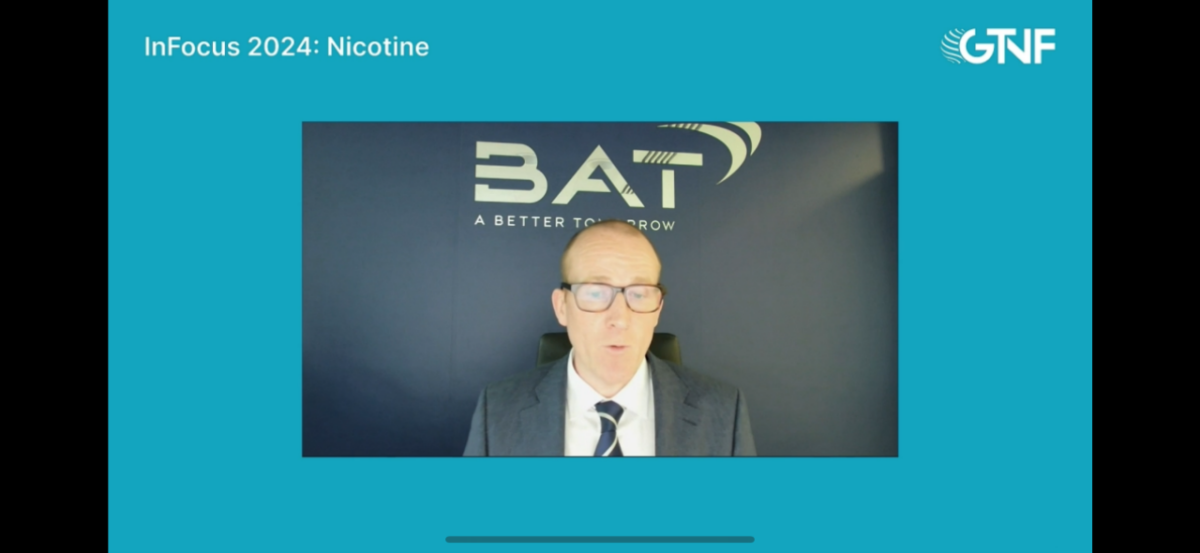
Following Professor Strupp's speech, James Murphy, Director of Research and Science at British American Tobacco (BAT), delivered the second keynote speech. Murphy, who previously led BAT's Group of Reduced Risk Products (PRRP) Science and was the product manager for the Americas and Sub-Saharan Africa regions, drew from his experiences in developing markets to argue that the public health community needs to adopt a consistent scientific viewpoint on new-generation tobacco products to provide regulators worldwide with accurate information and create a "stable framework."
In his keynote, Murphy shared his experiences and stated that the dual themes of the forum have dual significance in "promoting public health" and "focusing on social welfare."
Deepening the Discussion on Nicotine and E-Cigarettes
The first panel discussion invited several industry experts to delve deeper into misunderstandings and myths about nicotine and e-cigarettes. The discussion was moderated by Jasjit Ahluwalia, Professor of Behavioral and Social Sciences and Professor of Medicine at Brown University School of Public Health and Alpert Medical School. The panelists included Delon Human, family doctor and president of the "Health Diplomats" group, Dave Dobbins, former COO of the American Legacy Foundation/Truth Initiative, and Sudhanshu Patwardhan, nicotine expert and health technology entrepreneur.
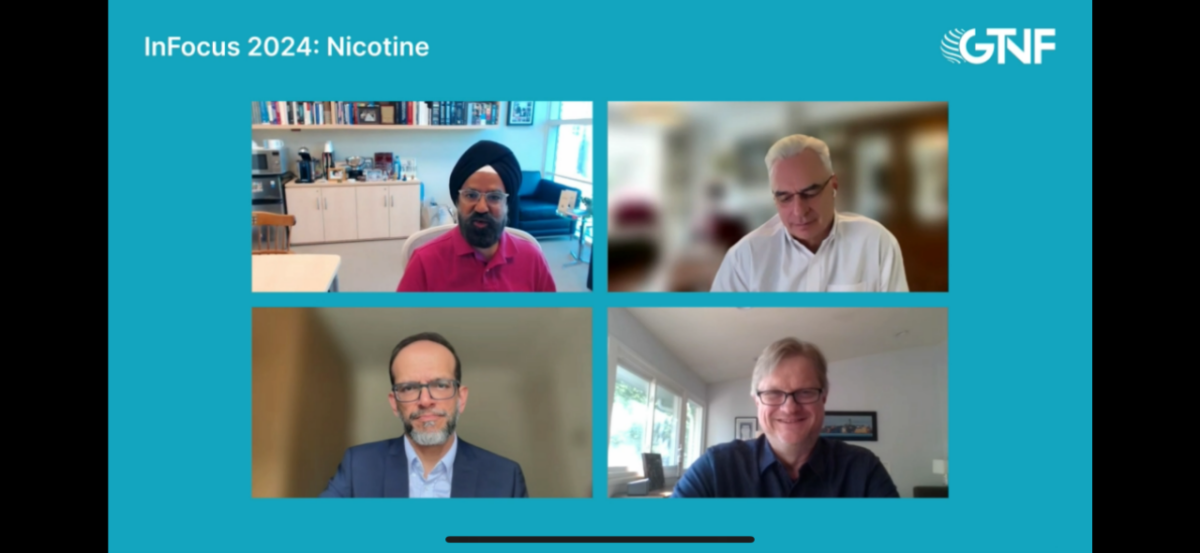
Ahluwalia noted that over the past decade, as the e-cigarette market has grown, the idea that "e-cigarettes are more harmful than traditional combustible cigarettes" has gained traction among smokers, leading many who had switched to e-cigarettes to return to smoking. He described this as "incredible"; the panelists agreed that the industry should invest more resources in related research to combat the "horror narrative" with science.
Dobbins, from a market perspective, discussed the proper direction for regulating nicotine products from the standpoint of human rights and legal principles. He argued that every adult's actions and choices are their own responsibility, and thus "adults need to be treated as adults, not managed with flavor bans or outright prohibitions on nicotine intake methods."
Nicotine from an Agricultural Perspective: Ensuring Farmers' Interests
The second panel discussion focused on the upstream tobacco farming and the welfare of related farmers, an area less frequently highlighted by the industry. The session included George Cassels-Smith, CEO of a tobacco technology company, Ramsey S. Lewis, Professor of Plant Breeding at North Carolina State University, Carlos Pulcinelli, Global Project Manager at Alliance One International, and Lea Scott, Senior Vice President of Universal Leaf Tobacco Co.
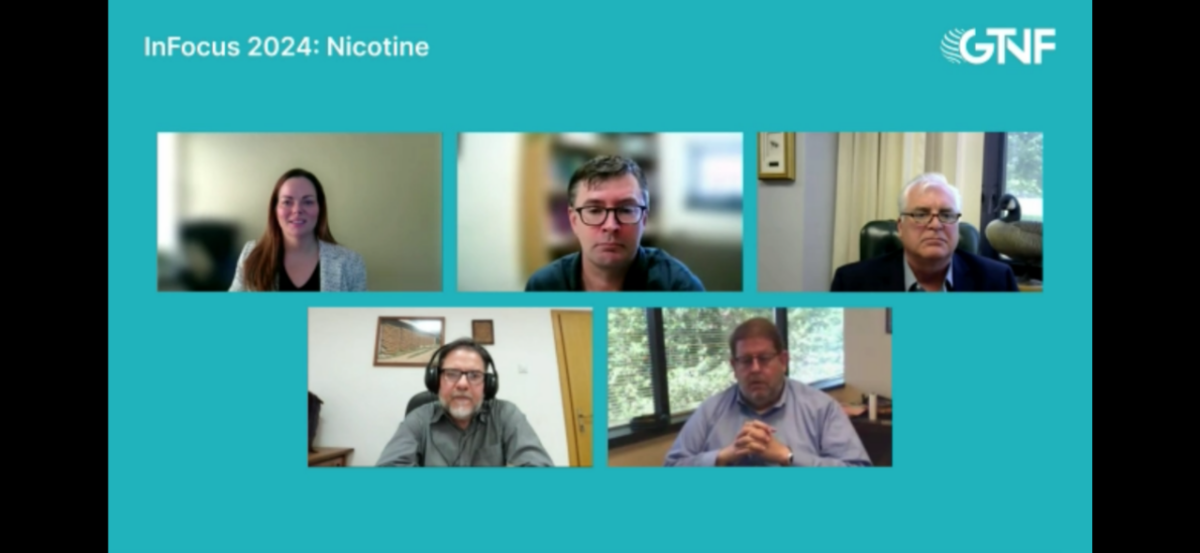
During the discussion, the panelists analyzed the development of upstream tobacco farming from the perspectives of tobacco farmers, buyers, and regulators across the supply chain. They emphasized the critical importance of tobacco leaf quality for all stakeholders. Professor Lewis highlighted the success of developing high-quality, high-yield, disease-resistant tobacco varieties through genetic modification over the past decade. He suggested that future research and development to increase the added value of raw tobacco leaves would be a significant focus for the industry.
The panelists unanimously agreed that not everyone realizes that nicotine, like large-scale agriculture in livestock and crops, involves a "farm-to-table" process. Ensuring the interests of farmers who grow tobacco is essential to meet the increasing ESG (Environmental, Social, and Governance) requirements from regulators and society for nicotine companies.
About GTNF InFocus
InFocus is the largest online tobacco and nicotine conference. Bringing together thought leaders, industry voices, and leaf and public health experts。
2FIRSTS focused on the core topics and significant viewpoints of the forum, conducting in-depth interviews with government officials, business executives, and industry experts from various countries. We published over 20 high-quality reports in both text and video formats.
This series of reports not only promoted GTNF's global reach but also provided valuable information and profound insights for the high-quality development of the e-cigarette industry.
Here is an overview of key content covered by 2FIRSTS at GTNF 2023:
1. FDA CTP Director Brian King: Submitting PMTA is No Equivalent to Legal Sale
https://www.2firsts.com/news/fda-director-brian-king-on-e-cigarette-compliance-and-tracking-systems
2. GTNF 2023: Sustainable Development and New Vape Products
https://www.2firsts.com/news/the-future-of-e-cigarettes-sustainable-development-and-new-products
3. GTNF Discusses Addressing Youth Misuse of Harm Reduction Products: A Collaborative Effort Needed
https://www.2firsts.com/news/gtnf-discusses-addressing-youth-misuse-of-harm-reduction-products-a-collaborative-effort-needed
4. Interview with GTNF Founder: Transform Industry Through Unique Dialogues
https://www.2firsts.com/news/interview-with-gtnf-founder-transform-industry-through-unique-dialogues
Moving forward, 2FIRSTS will continue to closely track the latest developments and trends in the e-cigarette industry, committed to providing readers with cutting-edge information and in-depth analysis. This ensures that readers receive accurate and comprehensive first-hand industry updates promptly.