IQOS Smoking Room at Manila International Airport

Industry Insight by Ellesmere Zhu
Oct.31.2022
“Heated Tobacco only” as the IQOS brand may imply, guests in the room were all smoking traditional cigarettes.

Article by Ellesmere Zhu | photo by David Yu


2FIRSTS correspondent notices that in the international departure of Manila International Airport lies a smoking room labeled IQOS, an HTP brand of PMI. 
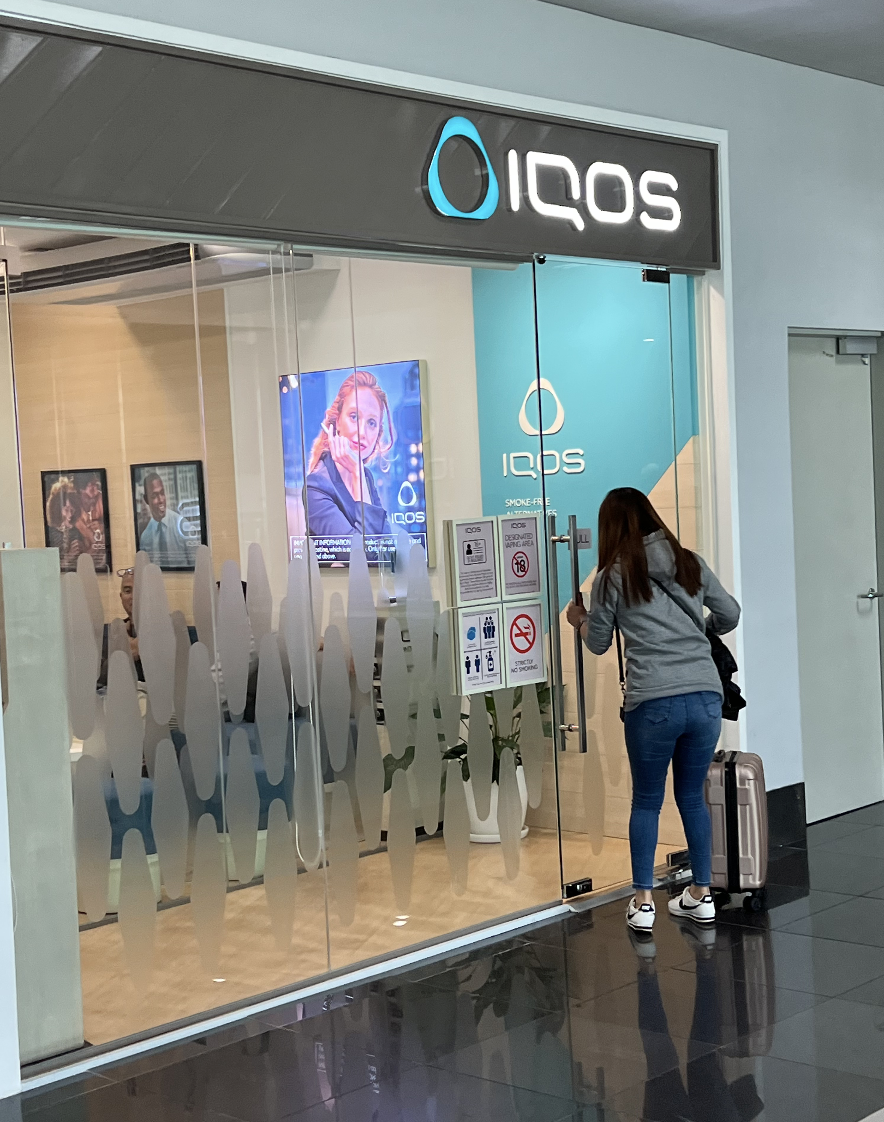
IQOS Smoking Room at Manila International Airport


The room was not crowded but always occupied as people went in and out. “HTP only” as the IQOS brand may imply, guests in the room were all smoking traditional cigarettes.
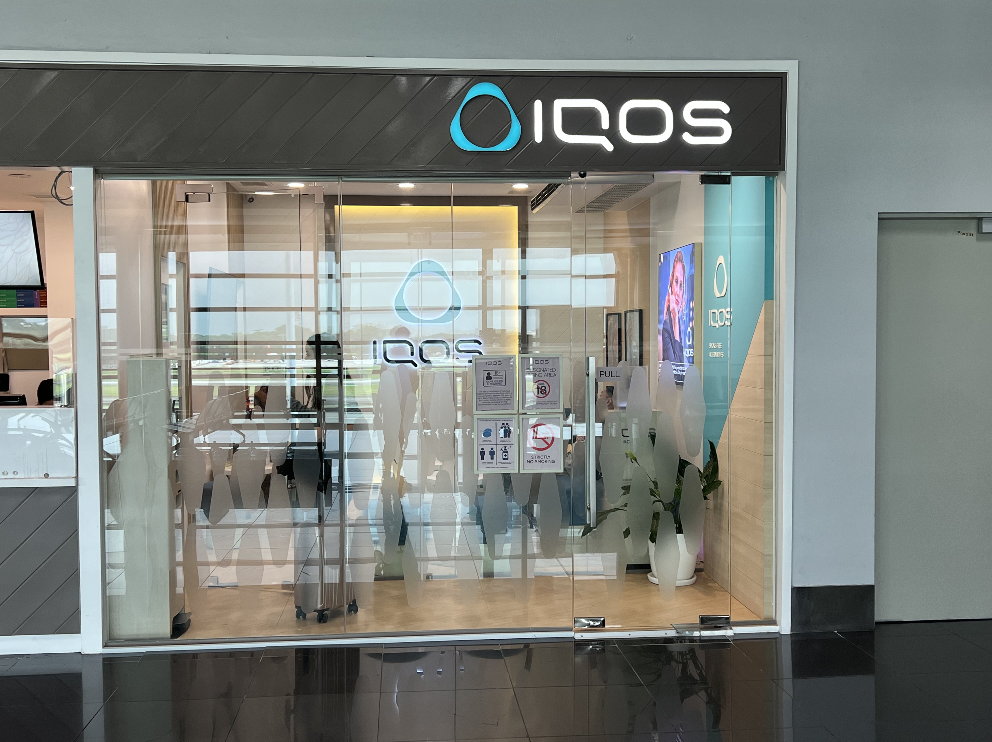

 

IQOS Smoking Room at Manila International Airport


*This article is an original article of 2FIRSTS Technology Co., Ltd. The copyright and license rights belong to the company. Any entity or individual shall make link and credit 2FIRSTS when taking actions to copy, reprint or distribute the original article. The company retains the right to pursue its legal responsibility.


South Korea Rejects 16 Trillion Won Tax-Evasion Claim Over Chinese Synthetic Nicotine
The South Korean government rejected allegations that Chinese synthetic-nicotine e-liquids were linked to about 16 trillion won in tobacco tax evasion, saying China does not ban synthetic nicotine exports and the estimate is difficult to verify, while acknowledging that pre-law synthetic-nicotine inventory is effectively difficult to tax.
Market
Jun.25
China Tobacco International HK Warns First-Half Revenue May Fall 25%-30%, Tobacco Leaf and Duty-Free Exposure Highlight Reliance on Traditional Tobacco
CTIHK expects first-half 2026 revenue to fall 25%-30%, mainly due to lower tobacco leaf imports and delayed cigarette shipments to China’s domestic duty-free market. Its 2025 revenue mix—nearly 90% from tobacco leaf-related businesses and less than 1% from new tobacco products—shows continued exposure to traditional supply chains and trade variables.
Jun.18
Oral Thin-Film Technology Firm CTT Pharma Eyes U.S. Nicotine Product Trials
CTT Pharmaceutical Holdings said it has signed a letter of intent with a U.S. company to conduct clinical trials and testing for several potential nicotine products using its patented oral thin-film technology.
Jun.18
UK Disposable Vape Ban Marks One Year as Adult Use Falls to 8% and Youth Use to 13%
One year after the UK ban on single-use disposable vapes took effect, YouGov data commissioned by Action on Smoking and Health shows that 13% of 11-17-year-old vapers and 8% of adult vapers now mainly use disposable products.
Jun.18
Reuters: India Seeks to Dismiss Adani Nicotine Pouch Challenge as Mumbai Airport Dispute Moves to Court
Reuters reported on July 13, 2026, that India is seeking to dismiss Adani Airports’ legal challenge over nicotine pouch sales at Mumbai International Airport’s duty-free shops. Adani denies wrongdoing and argues that existing drug and cosmetics regulations do not apply to duty-free sales or nicotine pouches.
Innovation
Jul.14 by 2Firsts Perspectives
Bringing Tax and Insurance Into Nicotine Regulation: Insights From a Tobacco Harm-Reduction Report
A smoke-free nicotine policy report argues that tobacco harm reduction should move beyond product bans and health warnings into tax policy, insurance pricing and risk-based regulation. While some projections remain open to debate, the report highlights a wider challenge: nicotine products, technologies and consumer behavior have changed sharply over the past decade, and regulatory systems may need new tools to better align tobacco control with harm-reduction goals.
Jun.08