Key Takeaways
- In 2025, Jinjia Shares recorded revenue of RMB 2.988 billion, up 4.57%, while attributable net profit was a loss of RMB 346 million, down 580.57%.
- In Q1 2026, the company recorded revenue of RMB 1.005 billion, up 58.13%, and attributable net profit of RMB 36.5349 million, down 45.16%.
- In its Q1 2026 report, the company said both operating revenue and operating cost growth were caused by the expansion of its new tobacco business.
- Q4 2025 attributable net profit was a loss of RMB 490 million, meaning the full-year loss was mainly concentrated in the fourth quarter.
- The company divides its business into premium paper packaging, new materials and new tobacco products.
2Firsts, April 27, 2026
According to Jinjia Shares’ filings, the company’s 2025 annual report summary and first-quarter 2026 report show that it recorded 2025 operating revenue of RMB 2.988 billion, up 4.57% year on year, while net profit attributable to shareholders was a loss of RMB 346 million, down 580.57%. In the first quarter of 2026, the company recorded revenue of RMB 1.005 billion, up 58.13%, while attributable net profit was RMB 36.5349 million, down 45.16%.
2025 revenue rose 4.57%, while attributable net profit turned to a RMB 346 million loss
In 2025, Jinjia Shares recorded operating revenue of RMB 2.988 billion, compared with RMB 2.857 billion a year earlier, up 4.57%. Net profit attributable to shareholders was a loss of RMB 346 million, compared with a profit of RMB 71.9852 million in 2024, down 580.57%. Non-recurring adjusted attributable net profit was a loss of RMB 426 million, compared with a profit of RMB 69.6031 million a year earlier, down 711.73%.
Net cash flow from operating activities was negative RMB 20.3625 million, compared with positive RMB 190 million in 2024, down 110.70%. Basic earnings per share were negative RMB 0.24, compared with RMB 0.05 a year earlier, while weighted average return on net assets was negative 5.44%, down 6.51 percentage points.
The 2025 loss was mainly concentrated in the fourth quarter
Quarterly data show that Jinjia Shares remained profitable in the first three quarters of 2025, but posted a concentrated loss in the fourth quarter. In Q4 2025, the company recorded operating revenue of RMB 1.093 billion, attributable net profit of negative RMB 490 million, and non-recurring adjusted attributable net profit of negative RMB 543 million.
The filing shows the full-year loss was mainly dragged down by the fourth quarter.
The company does not plan a 2025 dividend
According to the 2025 annual report summary, the company does not plan to distribute a cash dividend, bonus shares or capitalization from capital reserves for 2025.
In the first quarter of 2026, Jinjia Shares recorded operating revenue of RMB 1.005 billion, compared with RMB 635 million a year earlier, up 58.13%. Net profit attributable to shareholders was RMB 36.5349 million, compared with RMB 66.6197 million in the same period last year, down 45.16%.
Non-recurring adjusted attributable net profit was RMB 30.5699 million, compared with RMB 65.5452 million a year earlier, down 53.36%. Net cash flow from operating activities was RMB 298 million, compared with RMB 40.8475 million a year earlier, up 628.42%.
Basic earnings per share were RMB 0.03, compared with RMB 0.05 in the prior-year period, while weighted average return on net assets was 0.59%, down 0.42 percentage points.
The company said revenue and cost growth were both driven by a larger new tobacco business
The Q1 report shows that in the first quarter of 2026, operating revenue increased by about RMB 369 million year on year, while operating costs increased by about RMB 382 million. Operating cost growth was 77.60%, higher than revenue growth of 58.13%.
In explaining the changes in financial indicators, the company said both operating revenue growth and operating cost growth were caused by the expansion of its new tobacco business during the reporting period.
The new tobacco business also affected operating cash flow
The company also said in its first-quarter report that cash inflows from operating activities rose 88.28% because of increased cash collection from new tobacco product sales, while cash outflows from operating activities rose 57.07% because of increased procurement payments related to the new tobacco business.
The company’s three main segments are premium paper packaging, new materials and new tobacco
In its 2025 annual report summary, Jinjia Shares divided its business into three segments: premium paper packaging, new materials products and new tobacco products.
Its premium paper packaging business mainly serves sectors including tobacco and alcohol, e-cigarettes, consumer electronics, daily chemicals, pharmaceuticals and IP cultural products, using an order-based production and customized service model.
The company said it has transformed from a single printing manufacturer into a digital intelligent packaging solutions provider.
Its new materials business includes packaging new materials and electronic materials. Packaging new materials include lithographic laser transfer film/paper, laser composite film/paper, colored cigarette film and degradable materials. Electronic materials focus on semiconductor materials, optoelectronic device packaging materials, shielding materials and composite current collectors for lithium batteries.
The company said that as of the report disclosure date, composite current collector products were still under validation by major customers and had not yet been formally supplied externally.
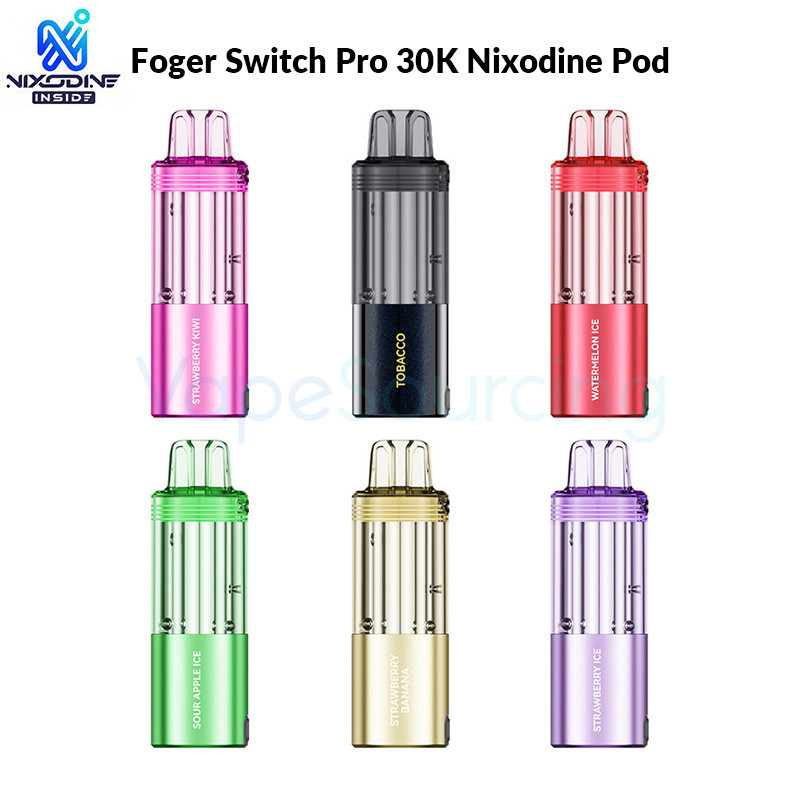
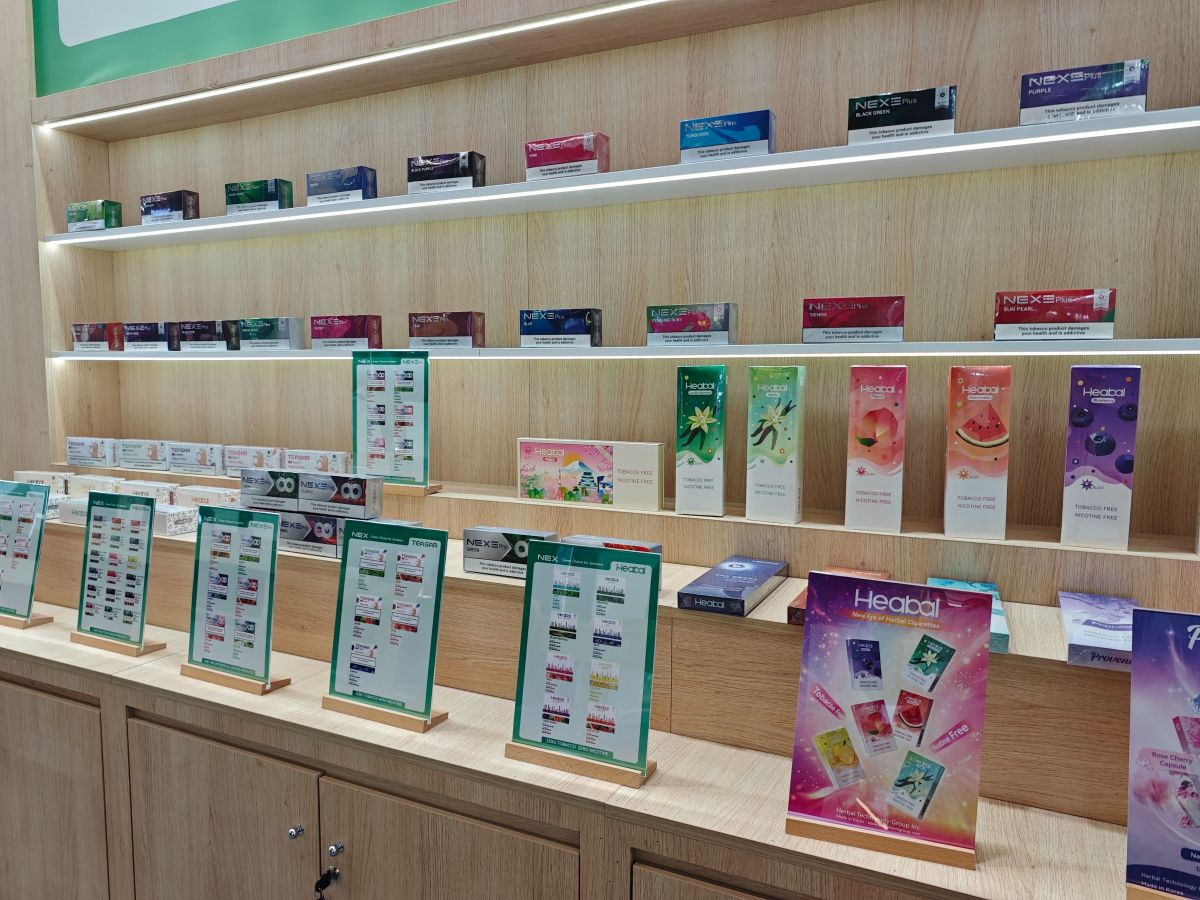
In new tobacco products, the company said its manufacturing side focuses on the core ODM/OEM business for vapor products, providing full-chain customized services from industrial design and formula development to intelligent manufacturing and global delivery.
The company said it has built domestic standardization and overseas operating networks
Regarding new tobacco products, Jinjia Shares said it has established a standardized production system for vapor products in China and formed a complete closed-loop service capability covering product design, process optimization and mass-delivery.
Overseas, the company said it has adopted a localized operating strategy, established service centers in key regions, and laid out R&D centers and intelligent manufacturing bases.
Image source: Jinjia Corporation
We welcome news tips, article submissions, interview requests, or comments on this piece.
Please contact us at info@2firsts.com, or reach out to Alan Zhao, CEO of 2Firsts, on LinkedIn
Notice
1. This article is intended solely for professional research purposes related to industry, technology, and policy. Any references to brands or products are made purely for objective description and do not constitute any form of endorsement, recommendation, or promotion by 2Firsts.
2. The use of nicotine-containing products — including, but not limited to, cigarettes, e-cigarettes, nicotine pouchand heated tobacco products — carries significant health risks. Users are responsible for complying with all applicable laws and regulations in their respective jurisdictions.
3. This article is not intended to serve as the basis for any investment decisions or financial advice. 2Firsts assumes no direct or indirect liability for any inaccuracies or errors in the content.
4. Access to this article is strictly prohibited for individuals below the legal age in their jurisdiction.
Copyright
This article is either an original work created by 2Firsts or a reproduction from third-party sources with proper attribution. All copyrights and usage rights belong to 2Firsts or the original content provider. Unauthorized reproduction, distribution, or any other form of unauthorized use by any individual or organization is strictly prohibited. Violators will be held legally accountable.
For copyright-related inquiries, please contact: info@2firsts.com
AI Assistance Disclaimer
This article may have been enhanced using AI tools to improve translation and editorial efficiency. However, due to technical limitations, inaccuracies may occur. Readers are encouraged to refer to the cited sources for the most accurate information.
We welcome any corrections or feedback. Please contact us at: info@2firsts.com