Kansas, U.S.: Attorney General issues alert on China-made “smart vapes” targeting children

Jan.12
Kansas, U.S.: Attorney General issues alert on China-made “smart vapes” targeting children
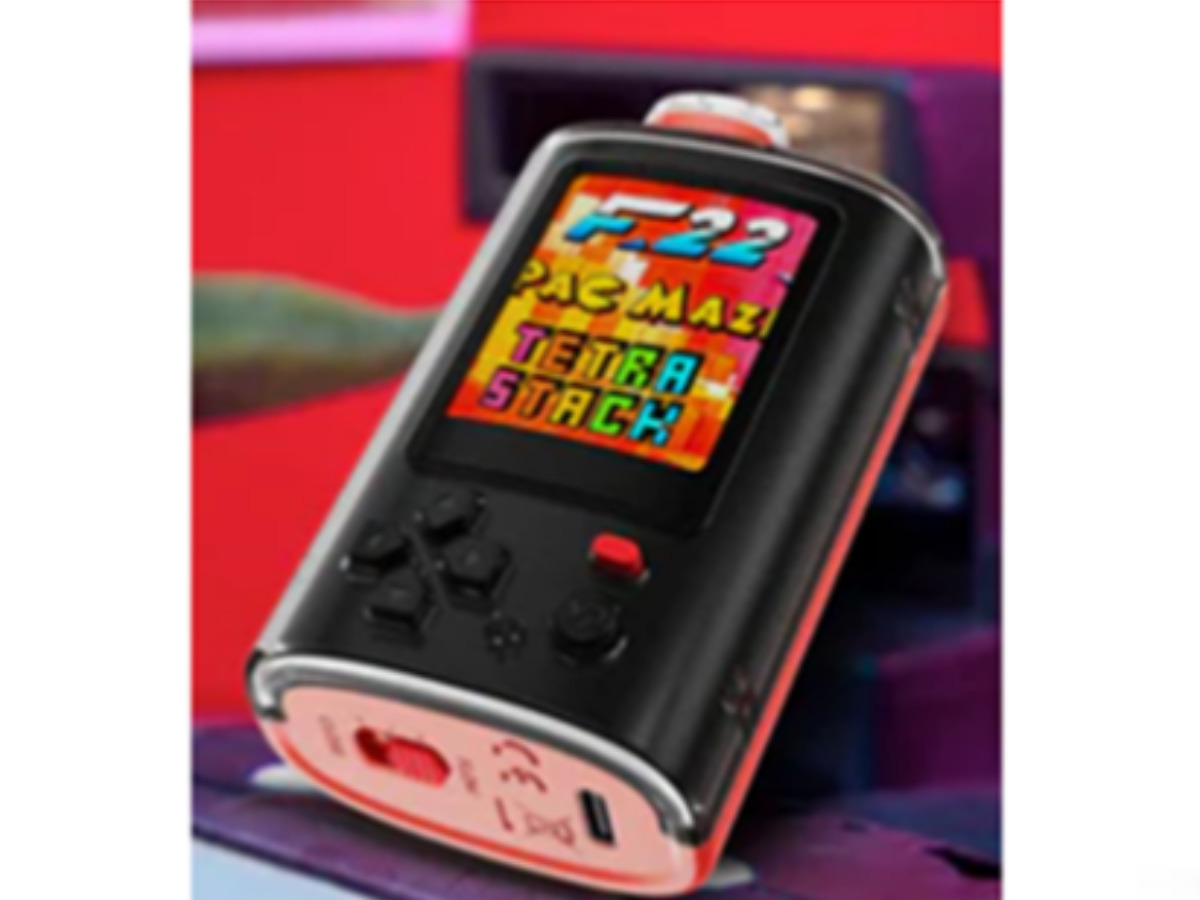
On Jan. 10, Kansas Attorney General Kris Kobach issued a consumer alert warning Kansans about dangerous vaping products from China marketed as “smart vapes.” The alert says these devices let children use games, social media, Bluetooth, music and more while simultaneously inhaling unregulated materials, and describes them as designed to entice teens and conceal their nature from parents.

Key Takeaways


• Location: Kansas, United States

• Issuer: Kansas Attorney General Kris Kobach released a consumer alert

• Product description: “smart vapes” combine entertainment/connectivity features with vaping of unregulated materials

• Market/regulatory note: FDA approvals are limited; the alert says over 90% of disposable vapes come from China and are largely unregulated

• Risks and actions: health and privacy risks are listed alongside guidance for parents and schools


2Firsts, January 12, 2026 – According to a consumer alert issued by the Kansas Attorney General’s Office, Kansas Attorney General Kris Kobach warned Kansans about dangerous China-made vaping products targeting children. Known as “smart vapes,” the alert says the products allow kids to use games, social media, Bluetooth, music and more while simultaneously inhaling unregulated materials.


The alert describes the devices as deliberately designed to hook teens and conceal the true nature of the device from parents. It says some products gamify nicotine consumption by offering rewards or prizes tied to the highest number of puffs, and notes that puff counts have increased year after year, contributing to enhanced nicotine addiction.


Kobach said protecting Kansas kids from harmful products is among his priorities and stated that the devices are designed to entice and addict children.


On regulation and sourcing, the alert says the U.S. Food and Drug Administration has approved only a small number of vaping products, representing a minute share of products sold, and states that over 90% of disposable vaping devices on the market come from China and are largely unregulated.


Under health concerns, the alert says many unapproved vapes, including “smart vapes,” pose serious risks and may contain harmful materials beyond nicotine such as lead and nickel. It also says vitamin E acetate is common in illicit THC and CBD vapes and is known to cause lung illness, and notes these materials are generally not found in regulated vaping products.


Under privacy concerns, the alert says Bluetooth and Wi-Fi connectivity introduces security threats, with little to no privacy protection, susceptibility to cyber threats, and the collection and storage of personal information. It warns unauthorized access can lead to data breaches and malware infections that may spread to other devices through actions such as a USB connection.


The alert advises parents to familiarize themselves with “smart vapes” and discuss nicotine addiction and the dangers of unregulated products with their children. It also advises educators and community members to watch for such devices in schools, noting some are designed to resemble basic school supplies such as pens and highlighters, and to identify vaping hotspots and implement preventative measures.


Image Source: Kansas Attorney General’s Office

We welcome news tips, article submissions, interview requests, or comments on this piece.

Please contact us at info@2firsts.com, or reach out to Alan Zhao, CEO of 2Firsts, on LinkedIn


Notice

1.  This article is intended solely for professional research purposes related to industry, technology, and policy. Any references to brands or products are made purely for objective description and do not constitute any form of endorsement, recommendation, or promotion by 2Firsts.

2.  The use of nicotine-containing products — including, but not limited to, cigarettes, e-cigarettes, nicotine pouchand heated tobacco products — carries significant health risks. Users are responsible for complying with all applicable laws and regulations in their respective jurisdictions.

3.  This article is not intended to serve as the basis for any investment decisions or financial advice. 2Firsts assumes no direct or indirect liability for any inaccuracies or errors in the content.

4.  Access to this article is strictly prohibited for individuals below the legal age in their jurisdiction.


Copyright


This article is either an original work created by 2Firsts or a reproduction from third-party sources with proper attribution. All copyrights and usage rights belong to 2Firsts or the original content provider. Unauthorized reproduction, distribution, or any other form of unauthorized use by any individual or organization is strictly prohibited. Violators will be held legally accountable.

For copyright-related inquiries, please contact: info@2firsts.com


AI Assistance Disclaimer


This article may have been enhanced using AI tools to improve translation and editorial efficiency. However, due to technical limitations, inaccuracies may occur. Readers are encouraged to refer to the cited sources for the most accurate information.

We welcome any corrections or feedback. Please contact us at: info@2firsts.com

How Many Nicotine Pouch Factories Does Europe Need? 2Firsts Interviews AIRSCREAM on the OEM Market
At InterTabac 2026, nicotine pouch growth was visible not only in brands but across equipment, raw materials and OEM manufacturing. 2Firsts interviewed AIRSCREAM commercial head Steve Moore on how many pouch factories Europe may ultimately need and where manufacturers can differentiate, from formulation and flavour to pouch materials, production consistency and customer service. The category continues to expand, but questions remain over future capacity, consolidation and the long-term structure of the supply chain.
Sep.18
U.S. Customs Plan to Require Foreign Export Declarations Could Deal ‘Devastating’ Blow to China’s Vape Exports, Logistics gl Expert Says
A U.S. Customs and Border Protection proposal to collect foreign export declarations and other overseas customs documents could expose discrepancies in the value, classification and description of China-made vape shipments entering the United States. A veteran Chinese logistics professional told 2Firsts that the measure, if implemented, could undermine the all-inclusive shipping model used by some unauthorized vape exporters and push parts of the trade toward costlier underground channels. The risk extends beyond higher duties: accurately declared products may also be more readily identified as unauthorized e-cigarettes subject to FDA enforcement.
Special Report
Sep.07
China Tobacco Hubei explores staged nicotine pouch delivery, using dynamic membranes to slow early release and gradient particles to sustain later delivery
China Tobacco Hubei Industrial Co., Ltd. disclosed several oral nicotine-related patent applications in August 2026, including two that approach staged nicotine release from different directions. One uses a high-viscosity membrane that forms inside the pouch after contact with saliva to slow rapid early release, while the other uses gradient particles with a faster-disintegrating outer layer and a slower core to create a fast-to-sustained release profile. Together, the filings explore how nicotine pouches could balance initial delivery with release later in use.
Sep.03
Australia Adds 6-Methylnicotine to Schedule 9 Prohibited Substances, Effective October 1
Australia's Therapeutic Goods Administration published a final decision on September 25 to classify 6-methylnicotine as a Schedule 9 prohibited substance under the Poisons Standard, effective October 1, 2026. TGA said the chemical has been reported in e-cigarette liquids sold in Australia and marketed as nicotine-free or nicotine alternatives, while evidence also indicates its use in preparations such as oral pouches. The government originally proposed a Schedule 7 classification but ultimately adopted the stricter Schedule 9 designation, citing acute toxicity, dependence risk, use in unapproved consumer products and misleading marketing.
News
Sep.29 by 2Firsts Perspectives
Kumulus Vape2026 H1 Revenue Falls 8.3% but Profit Rises 24% as B2B Weakens and Consumer Channels Grow
French vaping company Kumulus Vape reported first-half 2026 revenue of €25.5 million, down 8.3% year over year, as its core B2B distribution business fell 11% to €21.6 million. B2C and store-network revenue rose 5.6% and 17.8%, respectively. Commercial margin increased to 26.3% from 21.7%, while net profit rose 24.1% to €0.8 million. The company attributed the profitability improvement to catalog optimization, logistics restructuring and the ramp-up of Labster, its in-house production unit for proprietary brands.
Market
Sep.17 by 2Firsts Perspectives
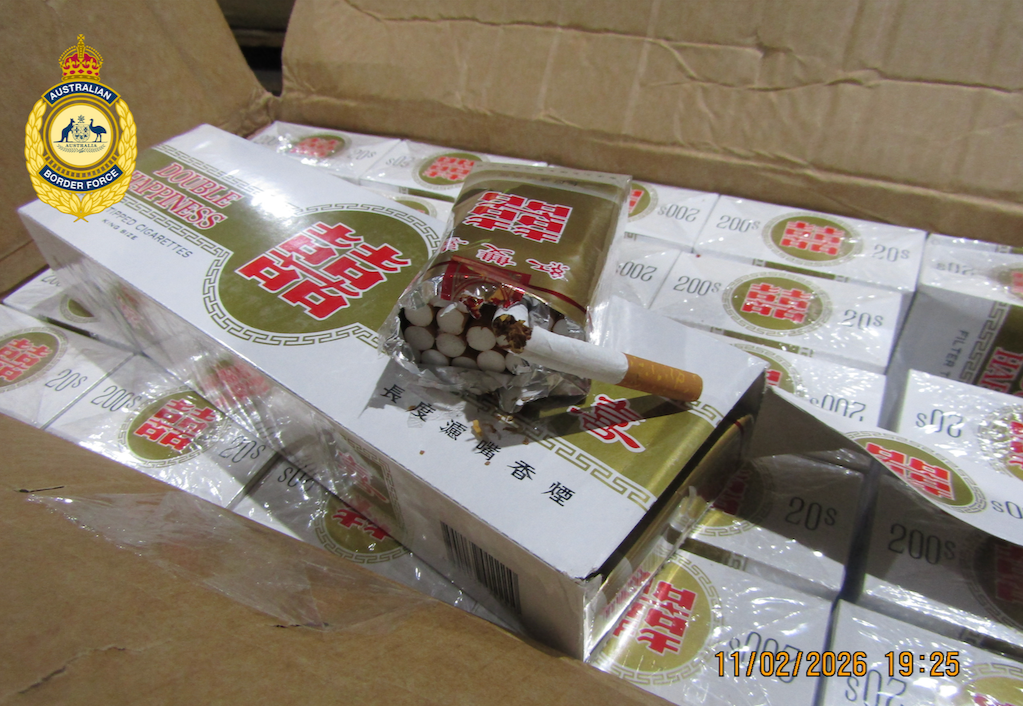
Australia-China Operation Dismantles Tobacco Smuggling Network: 112 Containers, 60 Arrests and A$92 Million in Illicit Tobacco
According to The Maritime Executive on August 19, 2026, the Australian Border Force (ABF) and China’s Anti-Smuggling Bureau of General Administration of China Customs worked together to dismantle an international illicit tobacco smuggling network targeting Australia. According to information released by ABF on August 20, sustained information sharing and cooperation led to investigations into 112 shipping containers, with 91 found to contain illicit tobacco. Authorities seized more than 60 million cigarettes and 60 kilograms of loose-leaf tobacco, representing more than A$92 million in unpaid duties. More than 60 people suspected of involvement in the network were arrested in China.
Aug.20