Kenya’s Planned Taxes On Safer Nicotine Alternatives Will Maintain High Smoking Rates

Regulations
May.27.2022
Kenya’s Planned Taxes On Safer Nicotine Alternatives Will Maintain High Smoking Rates
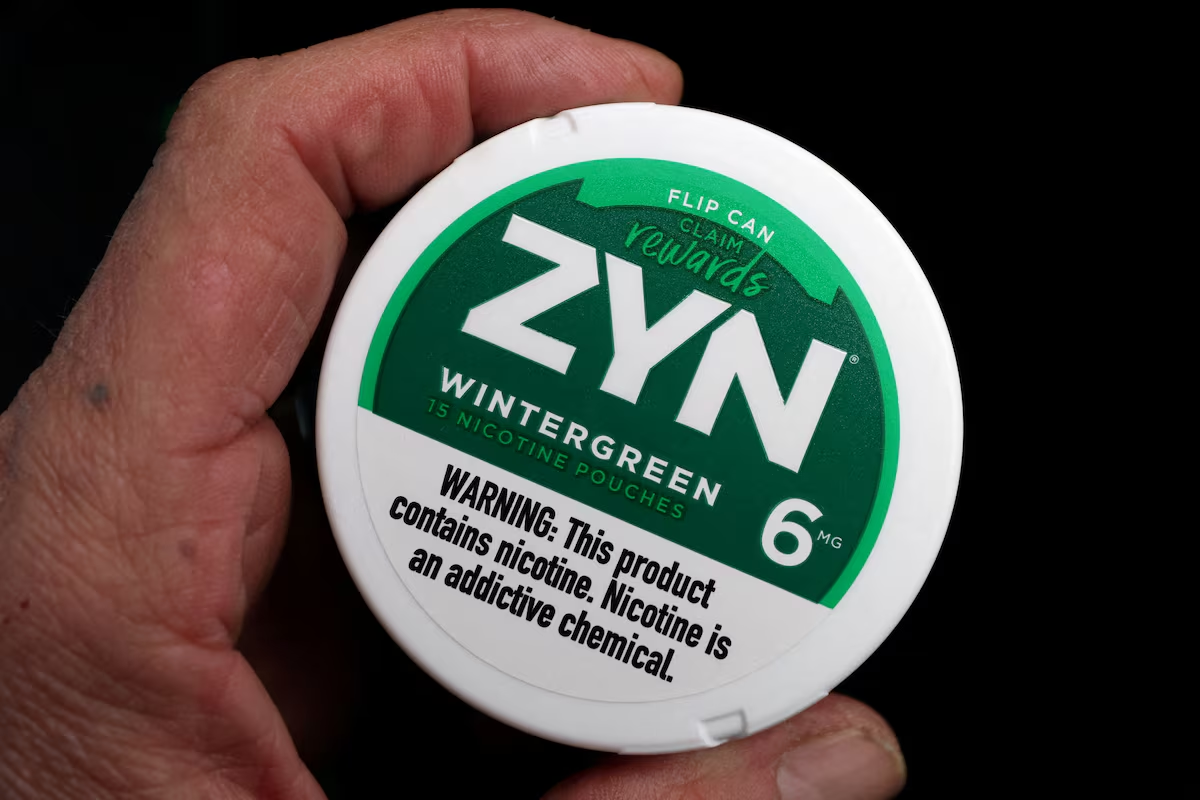
In a recent Finance Bill, Treasury CS Ukur Yatani disclosed plans of a tax increase of 108% on tobacco-free nicotine pouches.

Yatani revealed that the tax will be double the current excise from Shs 1,200 to Shs 1,500 per kg. The average tax increase for excisable goods was 10%, with nicotine pouches being the only product hit with a 108% increase.


In response to the proposal, Campaign for Safer Alternatives (CASA) chairman Joe Magero said that these taxes are pushing many smokers away from safer nicotine alternatives towards cigarettes. “Prohibitive taxes on nicotine pouches and e-cigarettes are putting these safer options out of reach of millions of smokers who are desperate to quit.”


Magero added that Yatani’s justifications for the tax are unscientific. “Mr. Yatani’s unscientific notions contradict international evidence and threaten to deprive Kenyan smokers of their best chance to kick their deadly habit. International research shows that alternative nicotine products, such as e-cigarettes and nicotine pouches, are 95% less harmful than traditional cigarettes, which release dangerous toxicants through the burning of tobacco.”


Taxes on safer alternatives send the wrong message


On the contrary, the tax will actually have a regressive affect. “This increase is regressive in so many ways,” says Mr. Magero. “As well as making safer alternatives unaffordable, the tax sends the message that they’re just as harmful as traditional cigarettes, even though they are helping to reduce tobacco’s toll in more progressive countries around the world.”


“There is growing evidence that Kenyans wish to use products like pouches and e-cigarettes to cut their reliance on tobacco. Instead of putting obstacles in their way, the government should be ensuring that these scientifically-proven safer alternatives are more accessible and affordable.”


Source:VapingPost

Malaysian Tobacco Control Groups Call for Annual 5% Tobacco Tax Hike
According to The Star and The Edge Malaysia, tobacco control groups in Malaysia have urged the government to raise tobacco taxes by at least 5% annually, saying the measure could reduce smoking rates and fund public health and social programmes.
News
May.26
From Heating Blades to Heating Paper? CTHB Patent Points to Microwave Heated Tobacco Design
According to China’s patent office records, a patent owned by China Tobacco Hubei Industrial Corporation (CTHB) for “cigarette paper and a cigarette for microwave heating” was granted on May 19, 2026. The patent describes cigarette paper with an outer wrapping layer, a heating layer, and an isolation heat-conducting layer, allowing it to absorb microwave energy, convert it to heat, and transfer that heat to the aerosol-generating substrate.
Jun.10
Global Tobacco Control Faces Regional Adaptation Test as Nicotine Markets Evolve, Asian Specialist Says
As e-cigarettes, heated tobacco products and nicotine pouches expand across global markets, a central question is gaining urgency: can tobacco control rely on a universal policy model? In an interview with 2Firsts, Asian public health and addiction medicine specialist Dr. Rashidi Mohamed bin Pakri Mohamed says Western experience remains relevant, but policies must be adapted to local culture, healthcare systems, enforcement capacity, illicit markets and clinical evidence.
Jul.08
Tobacco Farming in the New Nicotine Era: Why Indian Farmers Struggle to Transition — Contributed by Samrat Chowdhery
In this contributed article to 2Firsts, Mumbai-based journalist and harm reduction advocate Samrat Chowdhery examines India’s tobacco transition from the perspective of agriculture, supply chains and regulation. As noted by 2Firsts, India offers a relevant case for understanding how new nicotine technologies may affect not only consumption, trade and policy, but also tobacco farming.
Special Report
May.29
Malaysia Police Plan Saliva Tests at Roadblocks to Detect Synthetic Drugs Mixed Into Vape Liquids
Malaysian police plan to use saliva test kits at roadblocks to detect drivers using synthetic liquid drugs marketed as “Piu Piu” and “Magic Mushroom,” substances that authorities say are mixed into vape liquids and inhaled through e-cigarette devices, raising road-safety concerns and adding pressure on vape regulation.
Jun.29
Germany Expands Take-Back Rules for Disposable Vapes From July 1
Germany has expanded take-back obligations for disposable vapes from July 1, 2026, requiring consumers to be able to return used devices at stores that sell such products, including kiosks, petrol stations and vape shops, as e-cigarette regulation extends from sales to waste management and lithium-battery safety.
Market
Jul.06 by 2Firsts Perspectives