Key Points
- Malaysia has collected RM377.08 million, approximately $92 million, in vape excise duties since May 2023. No refund decision has been made.
- The High Court ruled on May 15, 2026, that the 2023 liquid-nicotine exemption decision was unlawful. The government withdrew its appeal in August.
- The court granted declaratory relief without issuing a separate quashing order or ordering repayment of previously collected excise duties.
- The Finance Ministry is seeking the Health Ministry's policy direction, while a proposed new nicotine exemption has yet to be formally gazetted.
2Firsts
November 19, 2026
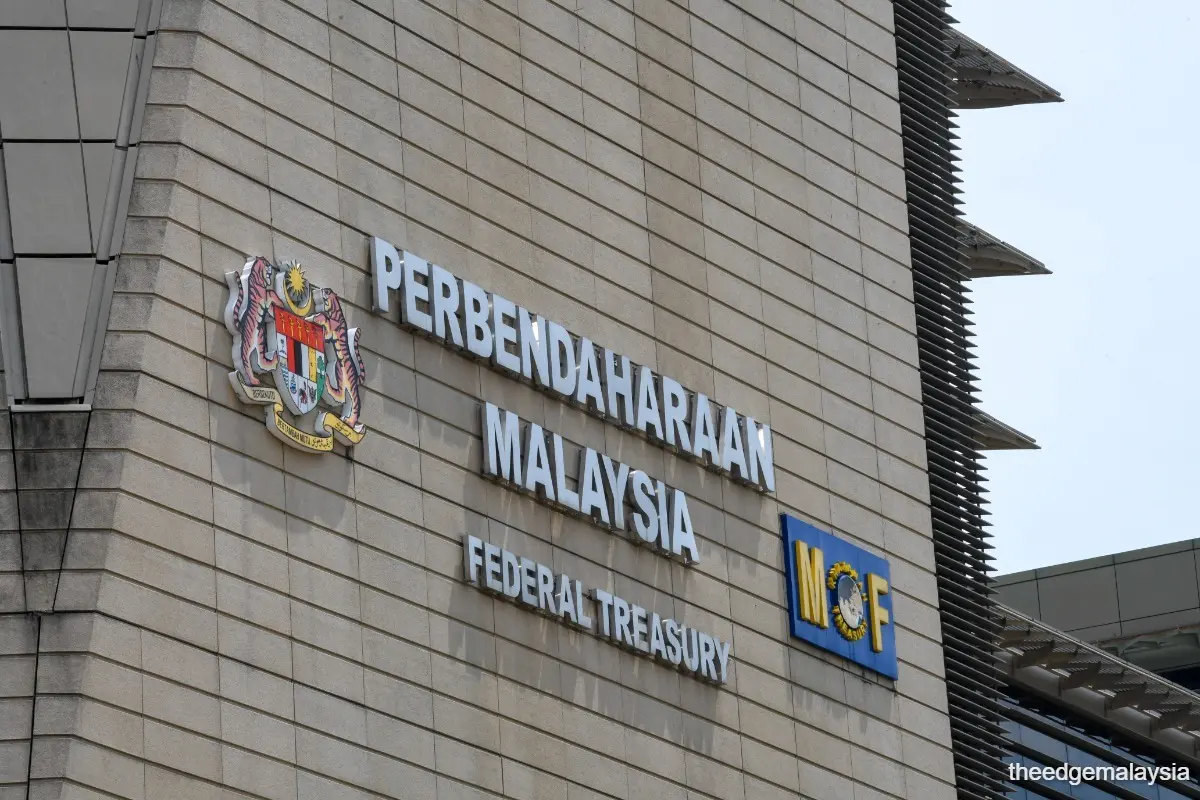
Malaysia's Ministry of Finance said on November 17 that it was examining whether a court ruling concerning the government's 2023 liquid-nicotine exemption affected the legal basis for vape excise duties collected since that year. The government has collected RM377.08 million (approximately $92 million), according to customs records, but has yet to decide whether any of the money should be refunded to industry operators.
The Kuala Lumpur High Court ruled in May that the government's 2023 decision to exempt liquid and gel nicotine used in vaping products from controls under the Poisons Act 1952 was unlawful. The government withdrew its appeal in August, leaving the Finance Ministry to assess the implications for existing tax collections and future vaping taxation.
According to The Star, The Edge Malaysia and CodeBlue, the ministry said in its November 17 written parliamentary reply that all collected duties had been transferred to the federal Consolidated Fund. It is seeking feedback from the Ministry of Health on future vaping policy before making further tax-related decisions.
Vape Duty Collections Reach RM377.08 Million as Refund Decision Remains Pending
The Finance Ministry's reply addressed a question from lawmaker Ahmad Yunus Hairi, who asked how much excise duty had been collected on nicotine-containing vaping liquids since 2023 and whether the revenue would be returned to industry operators following the court ruling.
Citing Royal Malaysian Customs Department records, the ministry said collections had reached RM377.08 million since the excise duty began being collected on May 1, 2023.
The figure exceeds the RM354.51 million previously disclosed by the Ministry of Health in July 2026.
The earlier total covered collections through June 11, comprising RM80.32 million in 2023, RM111.14 million in 2024, RM118.93 million in 2025 and RM44.11 million between January 1 and June 11, 2026.
The new cumulative amount is RM22.57 million higher, although the November 17 reply did not provide a breakdown of the additional collections by month or product category.
The allocation of the tax revenue has also attracted parliamentary scrutiny.
During the Budget 2027 debate on November 3, Ahmad Yunus Hairi asked how the government had implemented an earlier Budget 2023 commitment to allocate 50% of vape excise revenue to health services, including treatment and prevention programmes.
The latest Finance Ministry reply confirmed that the revenue had been transferred to the Consolidated Fund, but did not specify the amounts allocated to the previously proposed health programmes.
High Court Found the 2023 Exemption Unlawful
Malaysia exempted liquid and gel nicotine used in electronic cigarettes and vaping devices from the Poisons List in March 2023, ahead of the collection of vape excise duties beginning in May.
The Malaysian Council for Tobacco Control, the Malaysian Green Lung Association and Voice of the Children subsequently challenged the exemption through judicial review proceedings.
On May 15, 2026, the Kuala Lumpur High Court ruled that the decision made by the then-health minister was irrational, driven primarily by fiscal and economic considerations, and adopted without the proper and meaningful consultation with the Poisons Board required under Section 6 of the Poisons Act 1952.
The court found that the decision exceeded the minister's statutory authority. It granted declaratory relief but did not issue a separate quashing order or order repayment of excise duties already collected.
The government initially appealed before withdrawing the appeal in August, leaving the High Court's findings concerning the unlawful exemption decision in force.
The tax question also reflects concerns raised when the regulatory framework was established.
CodeBlue previously reported that Finance Ministry secretary-general Johan Mahmood Merican had stated in a 2023 court affidavit that removing the liquid-nicotine exemption would affect the subsidiary legislation and legal basis for collecting excise duties on nicotine-containing vape liquids.
As of November 17, the Finance Ministry had not concluded that the duties already collected were legally invalid. It had also not announced any refund eligibility criteria, scope or repayment procedure.
Future Nicotine Rules Remain Unsettled
The Finance Ministry said its review would also depend on the Health Ministry's position on the future regulation of vaping products.
In a written parliamentary reply dated November 5, Health Minister Dzulkefly Ahmad said that following the government's withdrawal of its appeal, liquid and gel nicotine used in vaping products was once again subject to the Poisons Act 1952.
Separately, CodeBlue reported on November 2 that the Poisons Board had endorsed a new proposal from the health minister to exempt liquid nicotine used in vaping products from the Poisons List.
The Board had unanimously opposed a similar proposal in 2023, although the government proceeded with the earlier exemption.
Its latest endorsement is part of the consultation process and does not itself create a new legal exemption. As of November 18, no new ministerial exemption order had been publicly confirmed as gazetted.
Malaysia also regulates tobacco and vaping products under the Control of Smoking Products for Public Health Act 2024, or Act 852, which took effect in October 2024 and covers sales, advertising, packaging and restrictions involving minors.
The Health Ministry has previously discussed tighter vaping restrictions and a possible broader ban, without announcing a complete implementation timetable.
The Finance Ministry said it would continue reviewing tax-related matters after assessing the High Court ruling and receiving the Health Ministry's feedback.
Follow 2Firsts for timely updates on global tobacco and nicotine regulations, market developments and industry trends.
Cover Image: The Edge Malaysia