Key points:
1.Malaysia is facing a challenge of rising youth e-cigarette usage rates, prompting calls for the government to take urgent action.
2.Legal experts and medical professionals are urging the swift implementation of the 2024 Public Health Tobacco Control Act (Bill 852).
3.A survey has shown that there is an increasingly clear correlation between the use of e-cigarettes and the abuse of illegal drugs.
4.Some states have taken measures to restrict the sale of e-cigarettes, but nationwide enforcement laws are considered necessary.
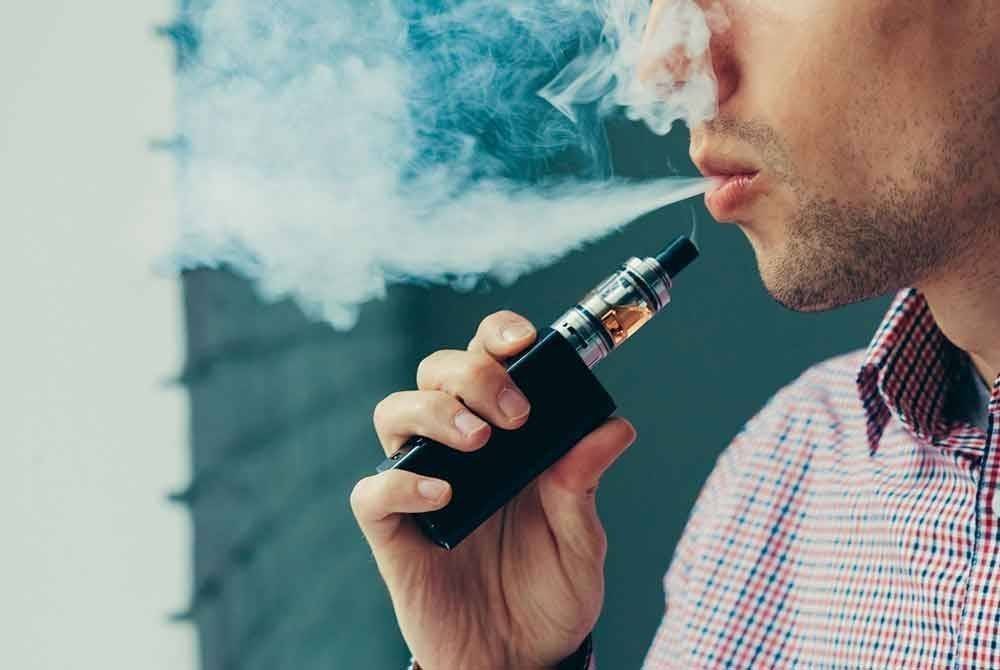
According to Sinar Harian, as the use of e-cigarettes among Malaysian teenagers is significantly increasing, the government, especially the Malaysian Ministry of Health, is being urged to immediately fully enforce the Public Health Act on Smoking Control Products 2024 (Act 852).
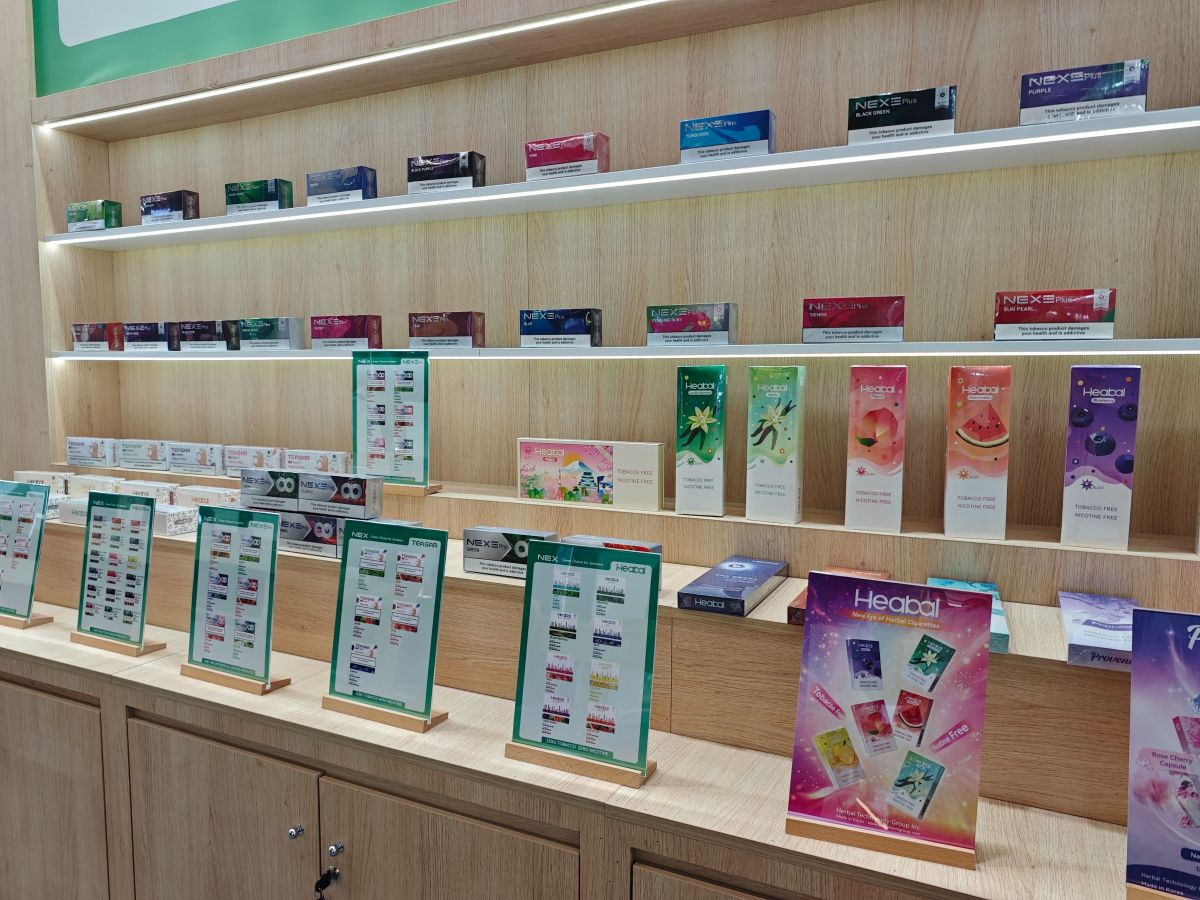
The Malaysian Thoracic Society (MTS) and the Malaysian Lung Foundation (LFM) emphasized in a joint statement the urgent need to take action to curb the worsening health crisis caused by the use of harmful products. The statement pointed out that many e-cigarette devices are designed to resemble toys, markers, USB drives, and candy, with their bright colors disguising the dangers of nicotine addiction.
The statement also warns that this product strategy not only fails to reduce harm, but actually attracts young users to start using it. More concerning is that teachers and counselors have found that e-cigarette use is becoming a gateway for young people to be exposed to drugs. Data has shown that students who use flavored e-cigarettes are more likely to move on to using illicit substances, leading to an increase in positive cases of tetrahydrocannabinol (THC) and other drugs detected in school drug tests.
A report has highlighted the need for the government to immediately ban the use of e-cigarettes nationwide to address the escalating health risks and abuse of prohibited substances among young people. Tan Sri Lee Lam Thye, Chairman of the Community Safety Alliance, stated that recent findings show a 32% increase in the seizure rate of e-liquid contaminated with drugs by the police, while data from the Ministry of Health revealed that 65.6% of e-liquids seized in the past two years contained dangerous substances.
Additionally, the Malaysian Council for Tobacco Control (MTS) and the Malaysian Anti-Smoking Youth Movement (LFM) stated that legislation and comprehensive enforcement will curb the proliferation of e-cigarette products and can lead to strict measures against marketing targeted towards adolescents, including the prohibition of toy-like devices. They also praised the proactive measures taken by the states of Johor, Kelantan, Terengganu, and Pahang to restrict the sale of e-cigarettes, but warned that without consistent federal enforcement, these efforts may not be sufficient to address the nationwide issue.
We welcome news tips, article submissions, interview requests, or comments on this piece.
Please contact us at info@2firsts.com, or reach out to Alan Zhao, CEO of 2Firsts, on LinkedIn
Notice
1. This article is intended solely for professional research purposes related to industry, technology, and policy. Any references to brands or products are made purely for objective description and do not constitute any form of endorsement, recommendation, or promotion by 2Firsts.
2. The use of nicotine-containing products — including, but not limited to, cigarettes, e-cigarettes, nicotine pouchand heated tobacco products — carries significant health risks. Users are responsible for complying with all applicable laws and regulations in their respective jurisdictions.
3. This article is not intended to serve as the basis for any investment decisions or financial advice. 2Firsts assumes no direct or indirect liability for any inaccuracies or errors in the content.
4. Access to this article is strictly prohibited for individuals below the legal age in their jurisdiction.
Copyright
This article is either an original work created by 2Firsts or a reproduction from third-party sources with proper attribution. All copyrights and usage rights belong to 2Firsts or the original content provider. Unauthorized reproduction, distribution, or any other form of unauthorized use by any individual or organization is strictly prohibited. Violators will be held legally accountable.
For copyright-related inquiries, please contact: info@2firsts.com
AI Assistance Disclaimer
This article may have been enhanced using AI tools to improve translation and editorial efficiency. However, due to technical limitations, inaccuracies may occur. Readers are encouraged to refer to the cited sources for the most accurate information.
We welcome any corrections or feedback. Please contact us at: info@2firsts.com