More Than 500 Stores in Russia’s Nizhny Novgorod Region Voluntarily Stop Selling Vapes

Apr.15
More Than 500 Stores in Russia’s Nizhny Novgorod Region Voluntarily Stop Selling Vapes
According to the Nizhny Novgorod regional government, 550 stores in the region have voluntarily removed vapes and e-liquids from their product assortments. Regional officials said a public offer encouraging businesses to self-restrict vape sales has been in place since September 2025, and that a large retail chain with more than 40 outlets in Nizhny Novgorod joined the initiative. The regional government also said a federal ban on vape sales is expected in the near future.

Key Takeaways


  • The Nizhny Novgorod regional government said 550 stores in the region have voluntarily stopped selling vapes and e-liquids.
  • Deputy Minister Elena Omelyanenko said a public offer for businesses to self-restrict vape sales has been in force since September 2025.
  • A large retail chain with more than 40 outlets in Nizhny Novgorod is among the organizations that joined the initiative.
  • Regional authorities said a large-scale campaign against illegal vape retail sales began in spring 2026.
  • The regional government said a federal ban on vape sales is expected to be introduced soon.


2Firsts, April 15, 2026  


According to the press service of the Nizhny Novgorod regional government, 550 stores in the region have voluntarily removed vapes and e-liquids for vaping devices from their assortments.


Nizhny Novgorod says 550 stores have stopped selling vapes


According to the statement, Elena Omelyanenko, Deputy Minister of Industry, Trade and Entrepreneurship of the Nizhny Novgorod Region, said that since September 2025 the region has had a public offer for businesses to self-restrict the sale of vapes.


She said the organizations that joined the initiative include a large retail chain with more than 40 outlets in Nizhny Novgorod.


Regional authorities say the market is saturated with counterfeit products


The report quoted Arina Krainova, head of marketing at a trading company, as saying that the market is currently oversaturated with counterfeit products and that it is difficult to ensure transparent rules of regulation. She said the company has always supported open and legal business operations and therefore decided to sign the initiative.


Authorities urge businesses to operate strictly within the law


Deputy Governor Andrei Checherin called on businesses to operate exclusively within the legal framework. He also said that entrepreneurs could stop selling vapes altogether, especially since a ban on the sale of such products is expected to be introduced soon at the federal level.


Spring enforcement campaign has already begun


The regional government also said that a large-scale campaign to stop illegal retail sales of vapes began in spring 2026. As part of that effort, a vape sales outlet in Bogorodsk located less than 100 meters from a general education school was closed by court decision.


The report also noted that in summer 2025, the President of Russia supported Governor Gleb Nikitin’s initiative to ban vape sales and approved the possibility of granting Nizhny Novgorod Region the status of a pilot region.


Image Source: Nizhny Novgorod regional government

We welcome news tips, article submissions, interview requests, or comments on this piece.

Please contact us at info@2firsts.com, or reach out to Alan Zhao, CEO of 2Firsts, on LinkedIn


Notice

1.  This article is intended solely for professional research purposes related to industry, technology, and policy. Any references to brands or products are made purely for objective description and do not constitute any form of endorsement, recommendation, or promotion by 2Firsts.

2.  The use of nicotine-containing products — including, but not limited to, cigarettes, e-cigarettes, nicotine pouchand heated tobacco products — carries significant health risks. Users are responsible for complying with all applicable laws and regulations in their respective jurisdictions.

3.  This article is not intended to serve as the basis for any investment decisions or financial advice. 2Firsts assumes no direct or indirect liability for any inaccuracies or errors in the content.

4.  Access to this article is strictly prohibited for individuals below the legal age in their jurisdiction.


Copyright


This article is either an original work created by 2Firsts or a reproduction from third-party sources with proper attribution. All copyrights and usage rights belong to 2Firsts or the original content provider. Unauthorized reproduction, distribution, or any other form of unauthorized use by any individual or organization is strictly prohibited. Violators will be held legally accountable.

For copyright-related inquiries, please contact: info@2firsts.com


AI Assistance Disclaimer


This article may have been enhanced using AI tools to improve translation and editorial efficiency. However, due to technical limitations, inaccuracies may occur. Readers are encouraged to refer to the cited sources for the most accurate information.

We welcome any corrections or feedback. Please contact us at: info@2firsts.com

Latest UK ONS Data: 54% of Vapers Are Former Cigarette Smokers, 26% Also Smoke and 20% Never Smoked Regularly
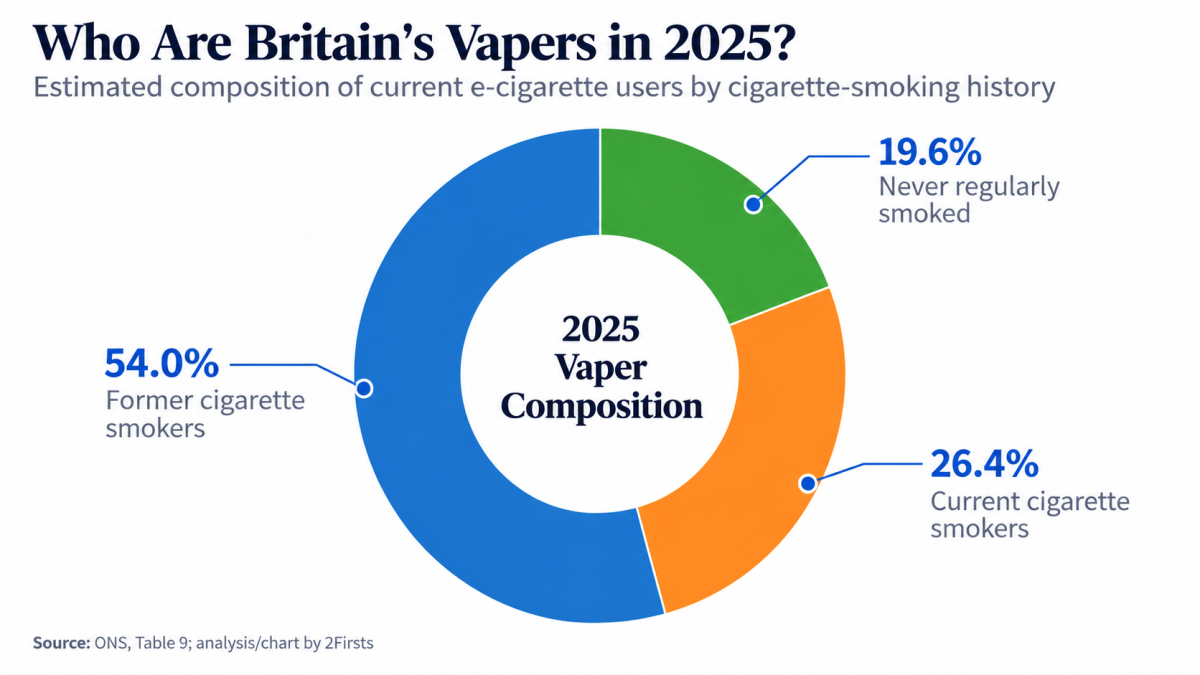
Former cigarette smokers accounted for an estimated 54% of current e-cigarette users in Great Britain in 2025, while 26% also smoked cigarettes and 20% had never regularly smoked, according to a 2Firsts analysis of Office for National Statistics (ONS) data. Among former cigarette smokers who currently vape, approximately 81% used e-cigarettes daily, compared with about 50% of dual users. The ONS found that 33.8% of current cigarette smokers also vaped in 2025, up from 10.6% in 2014. Approximately 1.1 million adults who had never regularly smoked cigarettes used e-cigarettes, representing 2.9% of that population, compared with 0.2% in 2014. The figures highlight differences in the composition, frequency of use and long-term trends across Britain's vaping population.
DATA
Oct.14
Australia’s One Nation Proposes 75% Tobacco Tax Cut, Says Lower Prices Could Hit Illicit Market
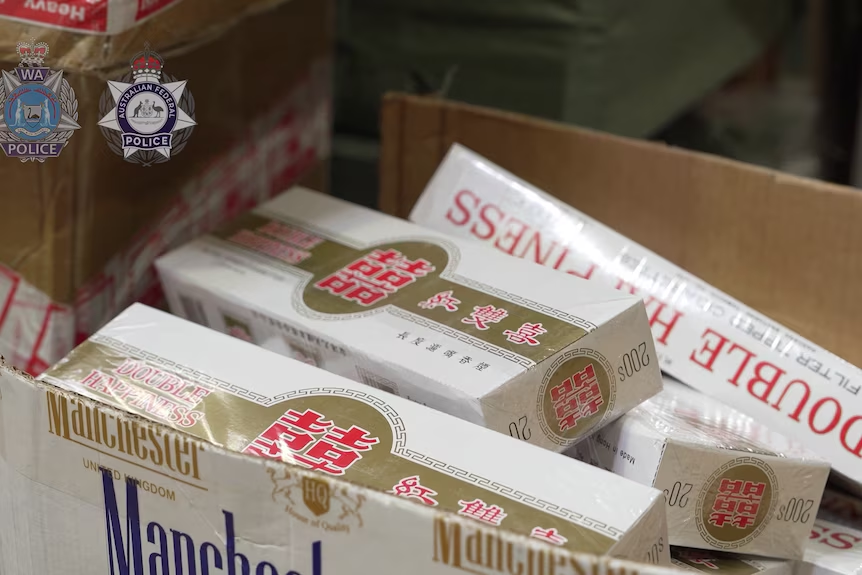
Australia’s One Nation party has proposed cutting tobacco excise by 75%, arguing that lower legal cigarette prices could narrow the gap with illicit tobacco and reduce demand for black-market products. The proposal comes as Australia continues expanding enforcement against illicit tobacco supply chains through border controls, retail inspections and organised-crime investigations. Supporters argue high taxes have contributed to illicit-market growth, while opponents warn that lower tobacco prices could undermine public-health goals. The proposal is a party policy position and has not been adopted by the Australian government.
Aug.18
China Tobacco Yunnan files patent for cellulose-free nicotine pouch scaffold to replace microcrystalline cellulose
China Tobacco Yunnan Industrial Co., Ltd. has filed a patent application for a cellulose-free scaffold material for nicotine pouches, proposing a combination of bioceramic material, polydextrose and sugar alcohols to replace conventional microcrystalline cellulose and cellulose derivatives. The filing aims to address issues including powdery mouthfeel, residue and limited release control, while also reducing reliance on existing cellulose-based patent portfolios. In patent examples, one fast-release formulation reached a nicotine release rate of 50% at 10 minutes and more than 90% at 20 minutes.
Sep.02
German Tobacco Tax Revenue Falls 10.8% Through August as Tax-Paid Cigarette Volume Drops 12.6%
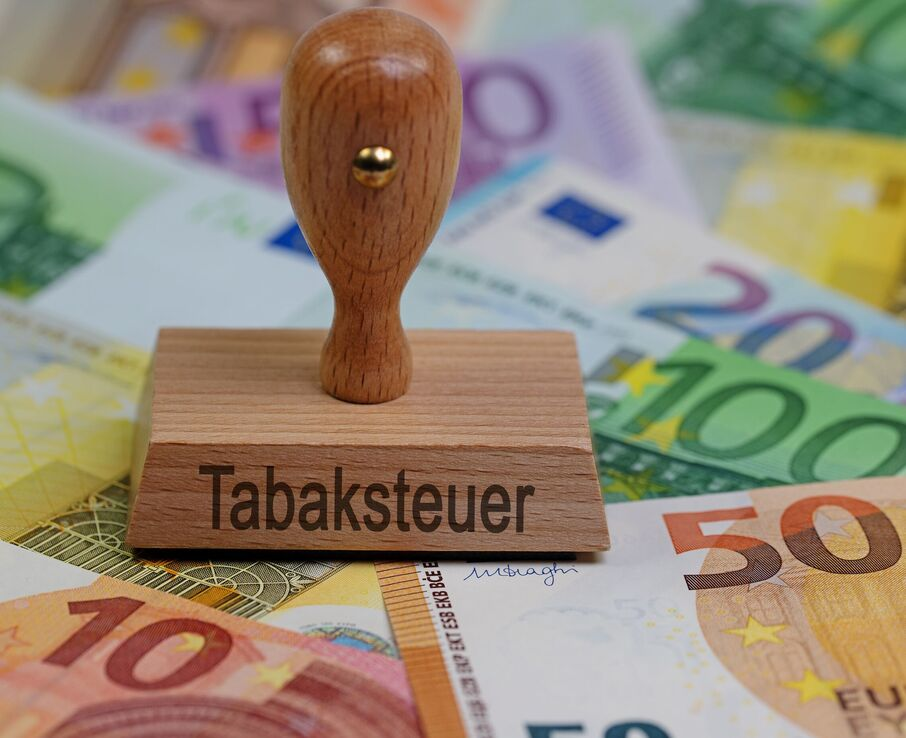
Germany collected €9.789 billion in total tobacco tax revenue from January through August 2026, down 10.8% from a year earlier, according to the Federal Ministry of Finance. Germany's tobacco tax base covers not only cigarettes and fine-cut tobacco but also heated tobacco and vaping liquids taxed as tobacco substitutes. The German Association of the Tobacco Industry and Novel Products, or BVTE, citing federal statistical data, said tax-paid cigarette volume fell 12.6% to 40.6 billion sticks. BVTE is using the latest figures to argue against further tax increases planned from 2027 through 2030, while Germany's parliament is scheduled to hold a first reading of the bill on September 24.
Sep.23
F1 Faces Renewed Pressure Over Tobacco and Nicotine Sponsorships as 67 Groups Target ZYN and VELO Ahead of Madrid Race
Ahead of the Formula 1 race in Madrid, 67 Spanish and international public-health, medical and consumer organizations have sent an open letter to F1 President and CEO Stefano Domenicali calling for an end to sponsorships linked to the tobacco and nicotine industry, including nicotine pouches, vaping products and heated tobacco. The letter focuses on Philip Morris International’s ZYN partnership with Ferrari and British American Tobacco’s long-running partnership with McLaren and exposure for VELO. The campaign follows a March letter in which more than 160 organizations worldwide made a similar request to Formula 1.
Sep.10
Spain Cigarette Volumes Fall 5.2% in August, BAT Drops 14.5%, JTI Gains Share; France Down 8.3% on Adjusted Basis
Spain's cigarette volumes declined 5.2% year over year in August 2026, according to government data cited by UBS and reported by Investing.com on October 7. British American Tobacco's volumes fell 14.5%, followed by Imperial Brands at 8.8%, Philip Morris International at 6.6% and Japan Tobacco at 4.6%. JTI was the only one of the four companies to gain cigarette market share, rising six basis points to 26.7%. In France, official customs data showed an unadjusted 3.7% decline in cigarette deliveries. Adjusting for the difference in delivery days produces a decline of approximately 8.3%, consistent with the UBS figure. The bank also estimated the earnings exposure of major tobacco companies to both markets.
Market
Oct.13