Key Points
- NATO wants FDA to issue more PMTA marketing authorizations and provide greater transparency around product reviews and enforcement.
- FDA has authorized additional ENDS products in 2026, including four Glas pods and three JUUL2 products.
- State tobacco policy continues to center on excise taxes, flavor restrictions and vapor product directories.
- Seventeen states had enacted e-cigarette directory laws by August 2026.
- Spross said state tobacco tax activity was more manageable in 2026 than in 2025, while cautioning that legislative activity could pick up again in 2027.
2Firsts
September 29, 2026
The National Association of Tobacco Outlets is pressing the U.S. Food and Drug Administration for more tobacco product marketing authorizations, greater transparency and continued enforcement against unauthorized e-cigarettes, as retailers navigate a mix of federal policy changes and expanding state-level regulation.
David Spross, executive director of the Washington-based trade group, outlined the industry's regulatory priorities at CSP's Tobacco Plus Forum on September 18 in Oak Brook, Illinois.
NATO wants more products to move through the premarket tobacco product application process and is seeking greater clarity from FDA around reviews and enforcement, Spross said.
He also called for continued action against the unauthorized vapor market.
FDA Adds New ENDS Authorizations in 2026
FDA has issued several new ENDS marketing authorizations this year.
In May, the agency authorized four Glas e-liquid pods, including tobacco, menthol and two fruit-flavored products. The action marked FDA's first PMTA authorizations for non-tobacco, non-menthol flavored ENDS products.
On August 28, FDA authorized three products in JUUL Labs' JUUL2 system: the device, a tobacco-flavored pod and a menthol-flavored pod.
Spross cited JUUL authorizations as part of the recent shift in FDA activity. FDA records show that the five original JUUL products — the JUUL device and four Virginia Tobacco and Menthol pods — received marketing authorization in July 2025. The three JUUL products authorized in 2026 were part of the newer JUUL2 system.
NATO maintains that the number of authorized products remains too limited and has pushed FDA to resolve more pending PMTAs.
Unauthorized Vapes Remain a Retail Enforcement Issue
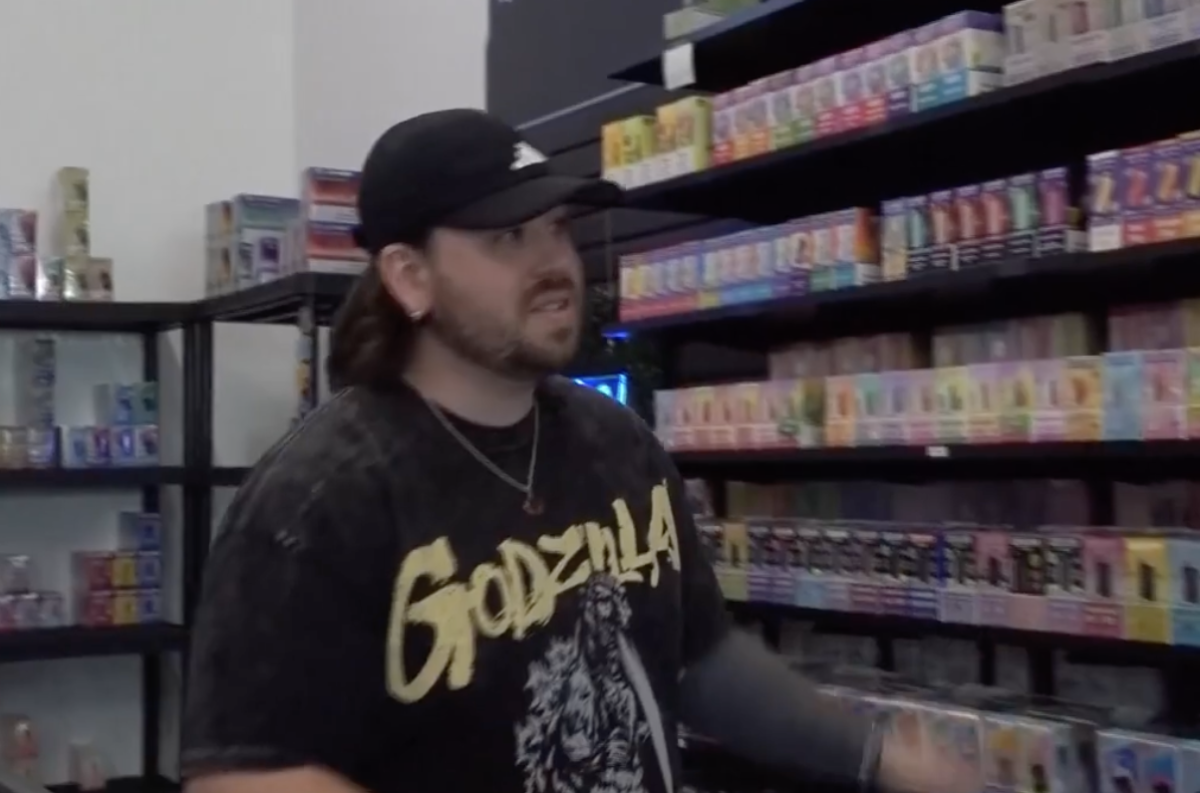
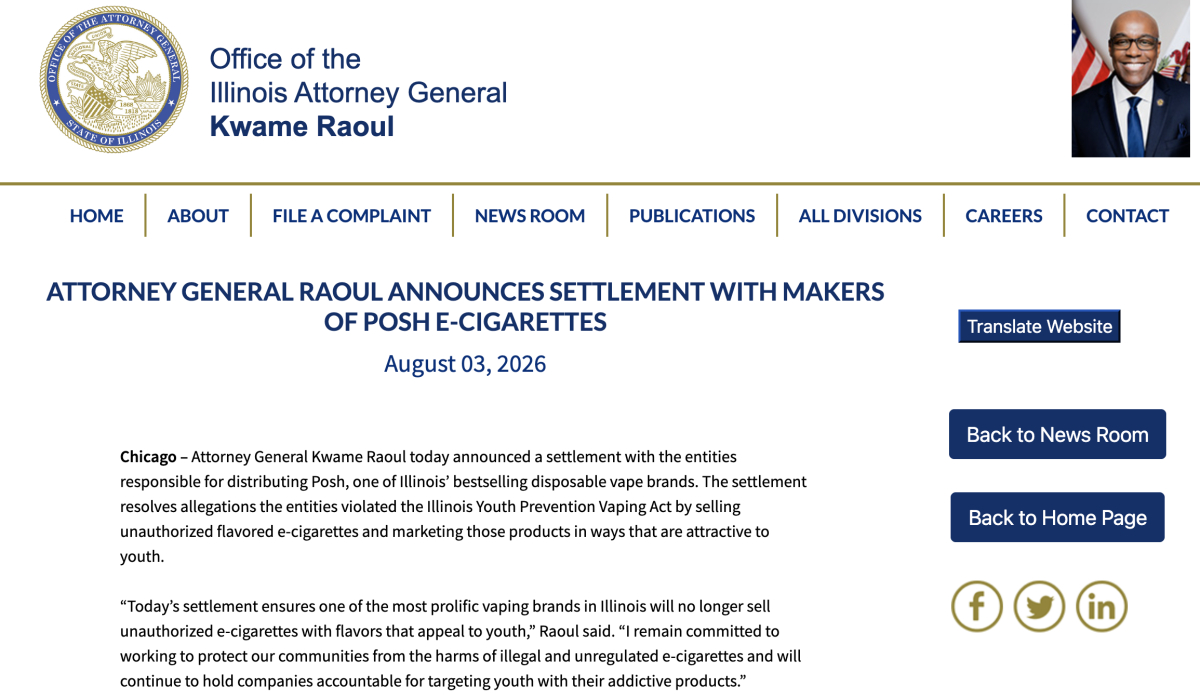
Unauthorized e-cigarettes remain a major enforcement issue for the U.S. tobacco retail sector.
NATO tracks FDA warning letters, civil money penalty actions and other enforcement measures involving disposable vape products and provides product-level information to retailers.
Federal enforcement policy has also shifted this year. FDA continues to target imports and sales of unauthorized ENDS while using a risk-based framework to determine which products receive enforcement priority.
For retailers, that has made FDA authorization status, enforcement priorities and product-specific regulatory actions increasingly important in deciding what products to stock.
State Vape Directories Expand to 17 States
State-level vapor product directories are adding another layer of compliance.
These laws generally require manufacturers to certify products with state authorities, which then maintain lists of products eligible for retail sale. Products that do not appear on a state's directory can be removed from stores or become subject to penalties once enforcement begins.
A study published in JAMA Network Open this month found that 16 states had enacted directory laws as of June 2026. The CDC Foundation later put the number at 17 states as of August.
Eligibility standards vary by state. Some directories are closely tied to FDA marketing authorization or PMTA status, while others allow certain products that remain under federal review.
Additional implementation and enforcement deadlines are approaching in states including Pennsylvania and Iowa, increasing the need for retailers and distributors to track individual SKUs across multiple jurisdictions.
Excise Taxes and Flavor Restrictions Remain State-Level Pressures
Excise taxes and flavor restrictions also remain prominent state policy issues for tobacco retailers.
Spross said 2025 brought a heavier wave of state tobacco tax increases and proposals, driven in part by pressure on state budgets.
He described 2026 legislative activity as more manageable.
Looking ahead to 2027, Spross said he expects tax proposals could become more active again after the election cycle, based on how state legislatures have operated in previous years.
That is NATO's outlook for future legislative activity rather than a confirmed policy change.
Retail Mix Continues to Shift Beyond Cigarettes
Spross also pointed to nicotine pouches, vapor products and heated tobacco as categories reshaping the tobacco back bar.
The product mix in U.S. convenience stores has already shifted substantially over the past decade. According to NACS data, cigarettes accounted for 18.8% of in-store sales in 2024, down from 30.9% in 2015, while the share from other tobacco products rose to 7.6% from 4.2%.
Modern oral nicotine has been one of the products contributing to growth in the broader non-cigarette category.
For U.S. retailers, that shift is occurring alongside a more complex compliance environment: FDA is authorizing more alternative nicotine products, while states continue to add taxes, flavor restrictions and product-level sales rules.
Follow 2Firsts for updates on U.S. vaping, nicotine pouch and tobacco retail regulation.
Cover Image: CSP Staff