Philippines Probe Agency Seizes 800 Smuggled Vape Products in Manila, Stores Face Multiple Charges

Dec.02.2025
Philippines Probe Agency Seizes 800 Smuggled Vape Products in Manila, Stores Face Multiple Charges
The National Bureau of Investigation (NBI) recently seized around PHP 250,000 (approximately USD 4,250) worth of smuggled and unregistered vape devices and liquids—about 800 items in total—from two stores in Manila. Authorities said the devices could be modified to discreetly consume cannabinoids and other illegal drugs, and that those involved will face charges under the Philippines’ Vaporized Nicotine and Non-Nicotine Products Regulation Act and the Consumer Act.

Quick Takeaways


  • The NBI conducted simultaneous operations in two retail stores in Manila, seizing around 800 vape devices and e-liquids.
  • The confiscated products were not registered with the Department of Trade and Industry (DTI) and were deemed to have failed safety and quality assessments.
  • The NBI said some of the vape devices could be modified to inhale cannabinoids and other dangerous substances, posing heightened risks to young users.
  • Store owners face charges for violating the Vaporized Nicotine and Non-Nicotine Products Regulation Act and the Consumer Act of the Philippines.
  • One store employee has been detained, and the investigation is ongoing.


2Firsts, December 2, 2025 — According to GMA Integrated News, the National Bureau of Investigation (NBI) recently seized a batch of smuggled and unregistered vape devices and e-liquids worth around PHP 250,000 (approximately USD 4,250) from two stores in Manila.


The report said the operation followed earlier surveillance and test-buy activities conducted by the NBI at the two establishments. After securing evidence samples, agents carried out raid operations and confiscated roughly 800 units of vape devices and liquids.


Ross Jonathan Galicia, head of the NBI Dangerous Drugs Division, noted that some of the seized devices could be fitted with cannabinoids or other chemicals and illegal drugs, making such misuse difficult for parents or guardians to detect. He added that some parents may think their children are merely vaping, unaware they may already be exposed to or becoming dependent on illegal substances.


Galicia further stated that the confiscated products had not been registered with the Department of Trade and Industry (DTI), meaning they did not pass the agency’s required safety and quality assessment procedures.


According to the report, the owners of the two stores have not yet issued any public statement. The NBI said those responsible will face charges for violating the Vaporized Nicotine and Non-Nicotine Products Regulation Act and the Consumer Act of the Philippines.


One employee involved in the case has been arrested and is currently under NBI custody. GMA Integrated News noted it is still attempting to reach both the detained employee and the store owners for comment.


Cover image: GMA Integrated News

We welcome news tips, article submissions, interview requests, or comments on this piece.

Please contact us at info@2firsts.com, or reach out to Alan Zhao, CEO of 2Firsts, on LinkedIn


Notice

1.  This article is intended solely for professional research purposes related to industry, technology, and policy. Any references to brands or products are made purely for objective description and do not constitute any form of endorsement, recommendation, or promotion by 2Firsts.

2.  The use of nicotine-containing products — including, but not limited to, cigarettes, e-cigarettes, nicotine pouchand heated tobacco products — carries significant health risks. Users are responsible for complying with all applicable laws and regulations in their respective jurisdictions.

3.  This article is not intended to serve as the basis for any investment decisions or financial advice. 2Firsts assumes no direct or indirect liability for any inaccuracies or errors in the content.

4.  Access to this article is strictly prohibited for individuals below the legal age in their jurisdiction.


Copyright


This article is either an original work created by 2Firsts or a reproduction from third-party sources with proper attribution. All copyrights and usage rights belong to 2Firsts or the original content provider. Unauthorized reproduction, distribution, or any other form of unauthorized use by any individual or organization is strictly prohibited. Violators will be held legally accountable.

For copyright-related inquiries, please contact: info@2firsts.com


AI Assistance Disclaimer


This article may have been enhanced using AI tools to improve translation and editorial efficiency. However, due to technical limitations, inaccuracies may occur. Readers are encouraged to refer to the cited sources for the most accurate information.

We welcome any corrections or feedback. Please contact us at: info@2firsts.com

South Korea Imports 12,126 Kg of Nicotine Analogues From April to August After Bringing Synthetic Nicotine Under Tobacco Law
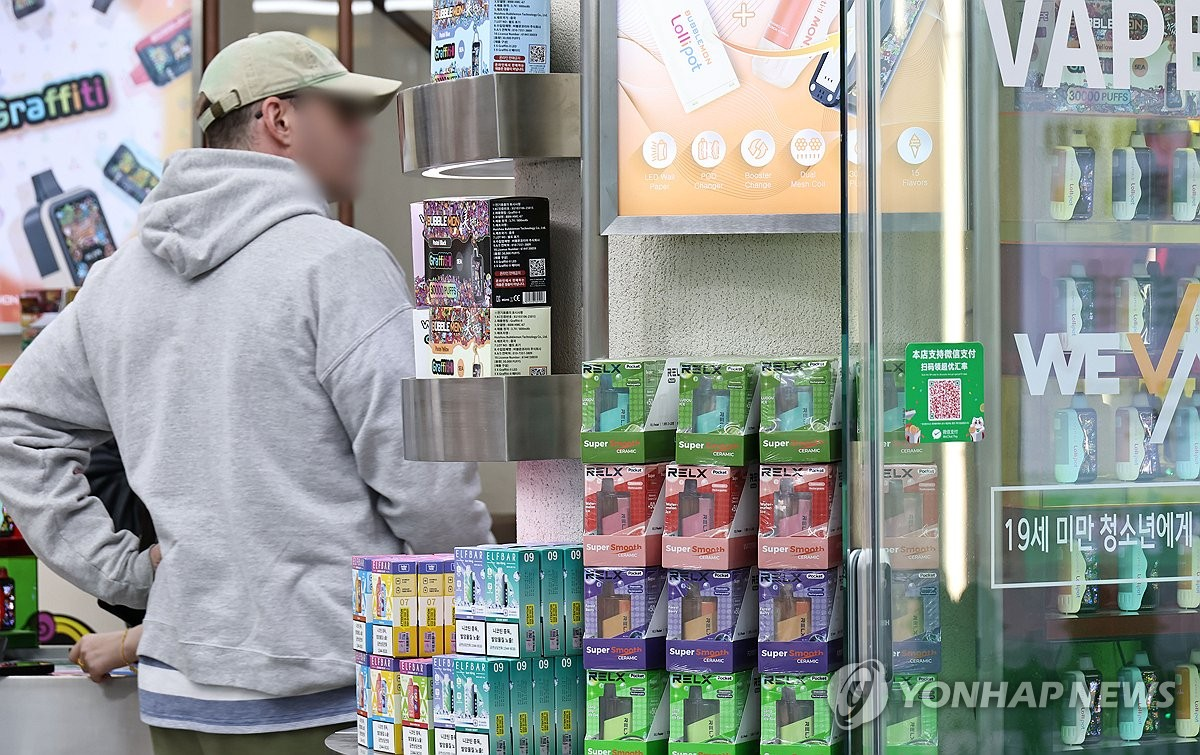
South Korea's liquid-vape market is showing changes across raw-material imports, product types and sales channels after synthetic nicotine came under the Tobacco Business Act on April 24. Customs data show nicotine-analogue imports totaled 12,126 kilograms from April through August, while synthetic-nicotine imports over the same five months totaled 231,663 kilograms, just 39.3% of the amount imported in March alone. Physical liquid-vape stores tracked in Seoul and Gyeonggi Province fell 9.9%, unmanned outlets edged higher and online sales listings increased from 27,774 to 42,437. Government testing of 105 liquid inhalation products promoted as nicotine-free separately found nicotine in 13 and 6-methylnicotine in 12.
Sep.22
U.S. Expands Illicit Vape Enforcement as ATF Brings PACT Act Powers Into Trade Fraud Task Force
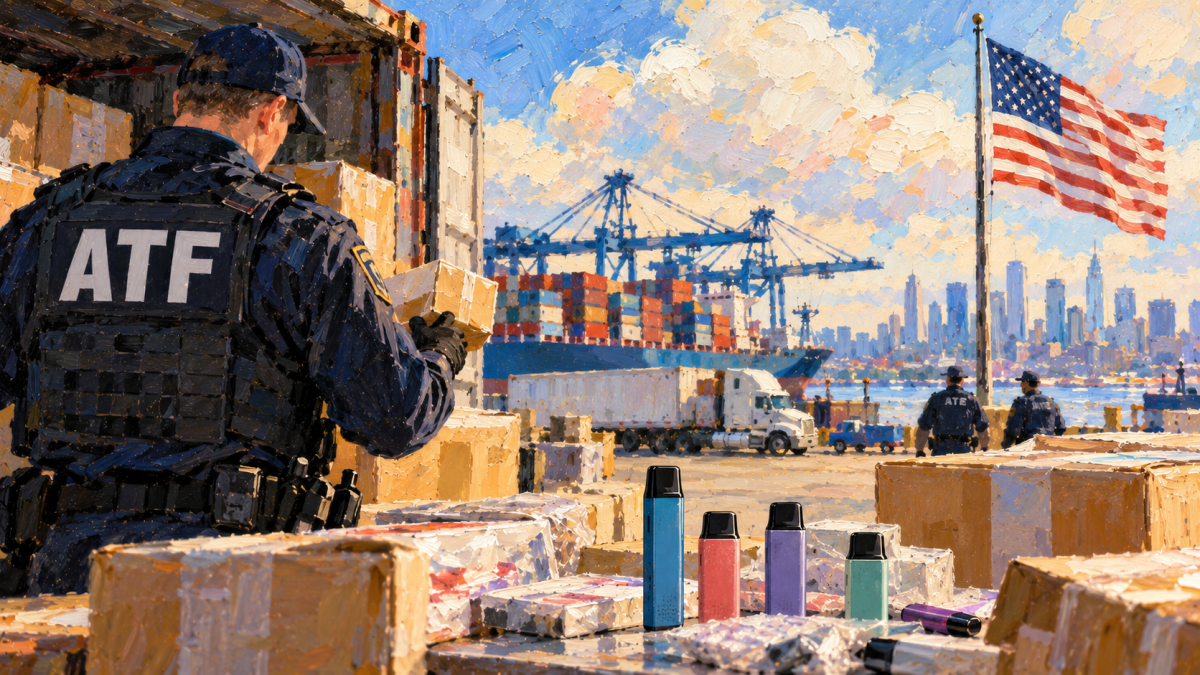
The U.S. Bureau of Alcohol, Tobacco, Firearms and Explosives said on September 23 that it has joined the interagency Trade Fraud Task Force to strengthen enforcement against illegal, misdeclared and smuggled vape and tobacco products. ATF will bring its authority under the Prevent All Cigarette Trafficking Act into the task force, including registration, reporting, shipping and record-inspection requirements covering interstate sales of electronic nicotine delivery systems. ATF said the move will strengthen its ability to trace illicit products from U.S. points of entry through domestic trafficking and distribution networks.
News
Sep.28 by 2Firsts Perspectives
Product | KIWI Launches Spark 2 and Spark 2 Pro in Germany, Two Hardware Tiers Share Backward-Compatible 2ml Pods
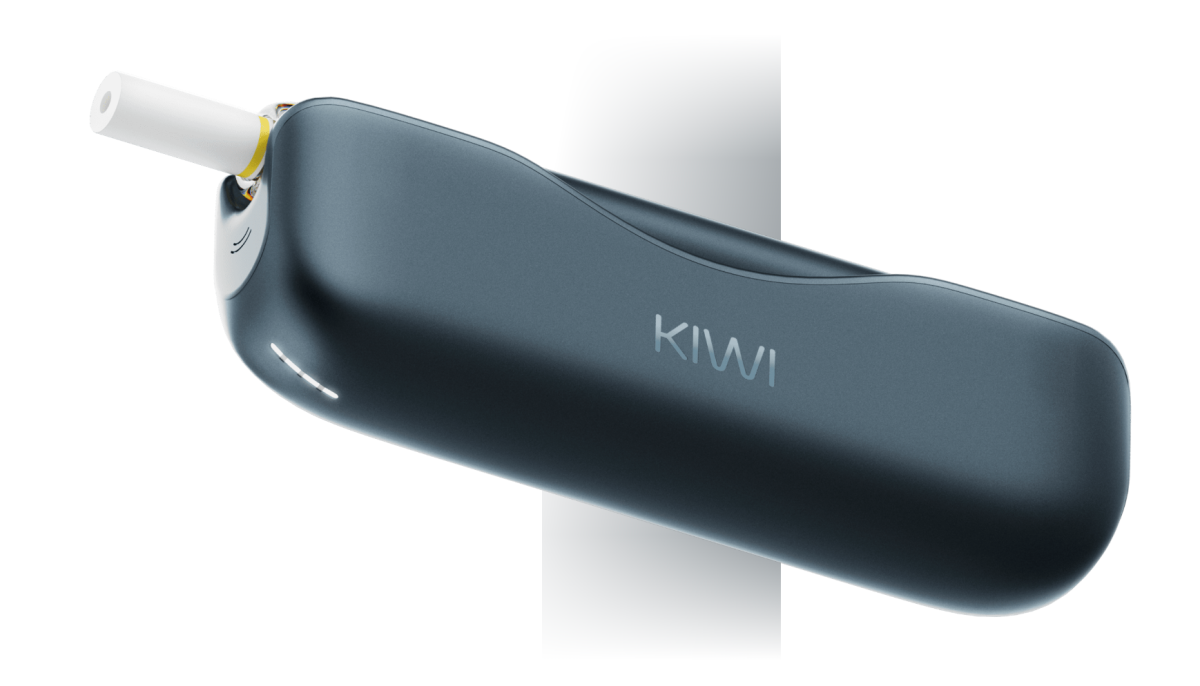
KIWI has launched the Spark 2 and Spark 2 Pro refillable pod systems in Germany at official prices of €18 and €29, respectively. Spark 2 uses an 800mAh removable lithium-ion battery in a pen-style body, while Spark 2 Pro features a 1,400mAh removable battery, a box-shaped design and vibration feedback every 20 puffs. Both devices use the same 2ml Spark V2 pods in 0.8Ω and 1.2Ω versions, with AirSync airflow adjustment and a choice between Cotton Tips and conventional Drip Tips. The new pods also remain compatible with the original KIWI Spark.
News
Sep.29 by 2Firsts Perspectives
South Korea Fully Reviews Nicotine-Analog and Nicotine-Free Vape Liquid Imports, With Over 99% From China and Chinese Supply-Chain Documents Under Scrutiny
Korea Customs Service has tightened import controls on nicotine-analog and nicotine-free e-cigarette liquids, placing the products under 100% document review and subjecting all e-cigarette liquid import declarations to pre-clearance ingredient analysis. As of September 20, 2026, South Korea had imported about 15 metric tons of nicotine-analog liquids, 99.99% from China, and about 316 metric tons of nicotine-free liquids, including roughly 315 metric tons, or 99.7%, from China. The measures follow South Korea's April expansion of its tobacco definition to include synthetic nicotine products and include new checks on Chinese manufacturing, transaction and export documentation.
Sep.24
Zhang Xiaotang Appointed Deputy Director of China’s Tobacco Regulator, Adding Another Finance-Background Official to Top Leadership
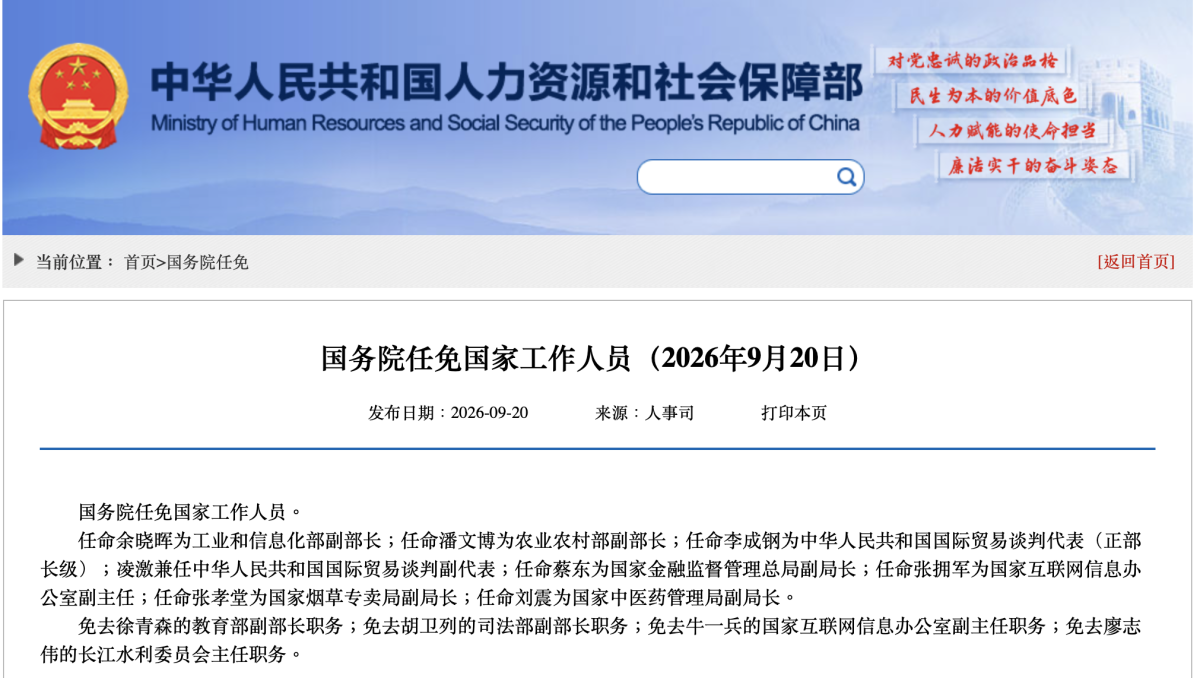
China’s State Council has appointed Zhang Xiaotang as deputy director of the State Tobacco Monopoly Administration, with the regulator’s official website now listing him as a Party leadership group member and deputy director. Zhang previously led Hebei China Tobacco and earlier headed the STMA’s finance and audit department. His appointment follows the elevation earlier this year of former tax official Yao Laiying to head the STMA, adding another senior official with a strong fiscal or financial-management background to China Tobacco’s top leadership in 2026.
News
Sep.20
Canada Health Minister Says She Is Not Considering Looser Nicotine Pouch Retail Rules as PMI-Linked Group Pushes for Wider Access
Canadian Health Minister Marjorie Michel says she is not considering loosening retail restrictions on nicotine pouches. Canada regulates pouches containing 4 mg or less of nicotine per unit as non-prescription nicotine replacement therapy and requires newer NRT formats such as pouches to be sold from behind pharmacy counters. Meanwhile, Unsmoke Canada, linked to Philip Morris International's Canadian business, is pushing to allow pouches in convenience stores and other general retail outlets. Health Canada also acknowledges continued unauthorized sales, while recent research shows rising pouch use among Canadian youth aged 16 to 19.
Sep.24