Ayesha Verrall, the deputy minister of health in New Zealand, revealed to journalists that the Ministry of Health is currently seeking public feedback on proposed regulations to address the increasing teenage use of e-cigarettes.
We need to strike a better balance. Electronic cigarettes can help people quit smoking, but we don't want children to start using them directly," she said.
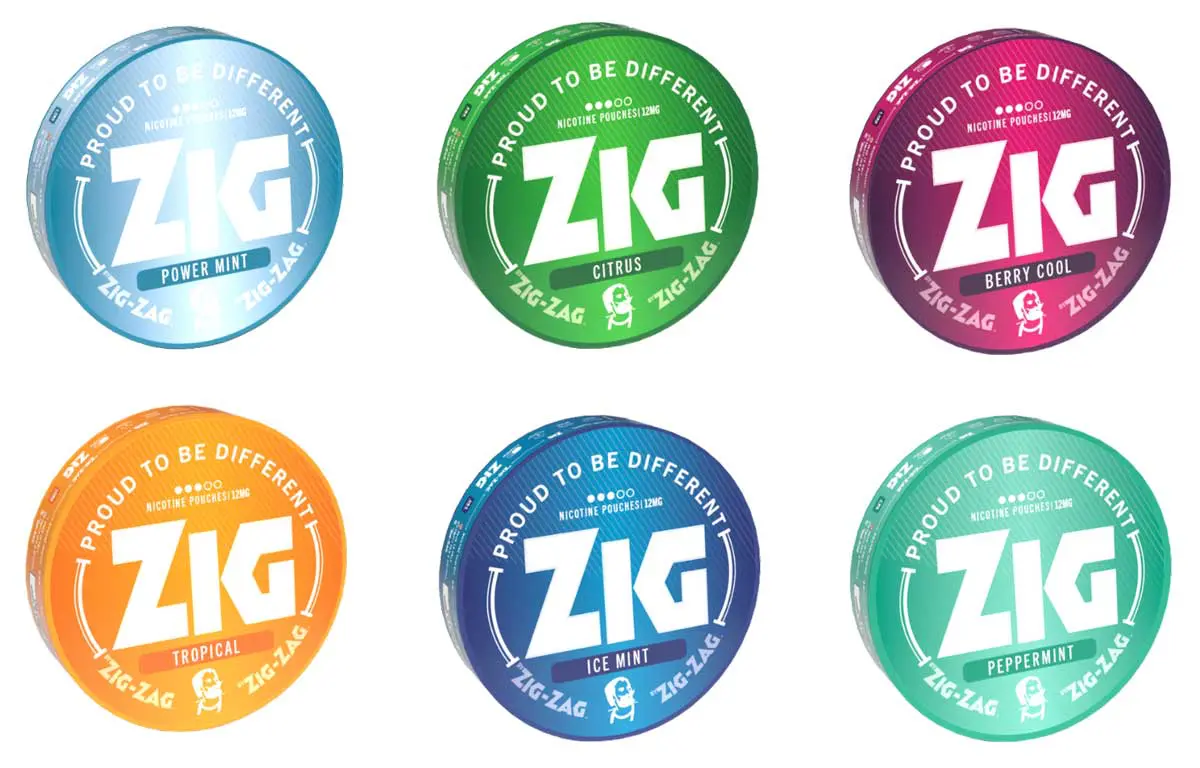
The proposals include preventing new e-cigarette retailers from opening near schools and sports fields; requiring child-attractive flavors to be labeled with generic descriptions on packaging; introducing a range of safety requirements for all e-cigarette products; and reducing the maximum allowed nicotine salt concentration in disposable e-cigarettes from 50mg/mL to 35mg/mL.
The proposal will not alter the product, but we do hope to cease the use of child-friendly names for the taste. Referring to something as a 'gummy bear' indicates it is candy, whereas these products are not lollipops," said Verrall.
She said that the Ministry of Health is seeking input from the e-cigarette industry and the public on these proposals.
But we know that we really need to strengthen the control of e-cigarettes amongst teenagers.
Chris Theobald, the principal of Bishop Viard College, has welcomed these measures, stating that the school's staff has observed the various ways in which electronic cigarettes have affected student life.
He stated that "in certain situations, students clearly become addicted to electronic cigarettes, resulting in behaviors that can affect their sleep, health, and interactions with others.
Theobald stated that changing certain flavor labels that are "directly targeting our youth" to more generic taste terminology is the first step, but the next measure that should be taken is to remove these flavors entirely.
Letitia Harding, CEO of the Asthma and Respiratory Foundation of New Zealand, has expressed her support for these proposals. However, she hopes to see a maximum nicotine concentration limit of 20 milligrams for all e-cigarette products.
We will still demand that it is 20 milligrams because the highly addictive nature of nicotine causes our children to become addicted and dependent on these products," she said.
Disclaimer
This article is provided solely for professional research, industry discussion, and informational purposes. Any references to brands, companies, products, technologies, or policies are made for factual reporting and analytical purposes only, and do not constitute endorsement, recommendation, promotion, or advertising by 2Firsts.
Nicotine-containing products, including but not limited to cigarettes, e-cigarettes, heated tobacco products, and nicotine pouches, carry significant health risks. Readers are responsible for complying with all applicable laws and regulations in their respective jurisdictions, including age restrictions and access limitations.
The information contained in this article should not be regarded as investment, legal, medical, regulatory, or commercial advice. While 2Firsts strives to ensure the accuracy and reliability of its content, it does not assume liability for any direct or indirect loss arising from errors, omissions, inaccuracies, or reliance on the information contained herein.
This article is not intended for individuals below the legal age for accessing tobacco or nicotine-related information in their jurisdiction.
Copyright Notice
This article is either original content produced by 2Firsts or content reproduced, translated, summarized, or adapted from third-party sources with attribution where applicable. The intellectual property rights of the original content remain with 2Firsts or the respective original rights holders.
No individual or organization may copy, reproduce, distribute, republish, modify, translate, or otherwise use this content without prior authorization. Any unauthorized use may result in legal action.
For copyright-related inquiries, corrections, or removal requests, please contact: info@2firsts.com.
AI-Assisted Translation and Editing Notice
Portions of this article may have been translated, edited, or reviewed with the assistance of artificial intelligence tools to improve efficiency and readability. Due to the limitations of AI-assisted translation and editing, discrepancies, omissions, or inaccuracies may exist when compared with the original source.
Where applicable, readers are advised to refer to the original source for the most complete and accurate information. If you identify any errors or believe that any content infringes upon your rights, please contact us at info@2firsts.com, and we will review and address the matter promptly.