Key points:
- Effective date: From August 13, 2025, Resolution No. 146 of Panama will officially take effect.
- Scope of regulation: Covering electronic nicotine delivery systems and electronic non-nicotine systems, traditional heated tobacco products, oral nicotine products, and their accessories.
- Main provisions: Prohibit tobacco products from being placed in publicly accessible or visible areas; prohibit the use of related products in smoke-free areas; prohibit the sale to minors, age verification and warning signs required; prohibit any form of advertising promotion.
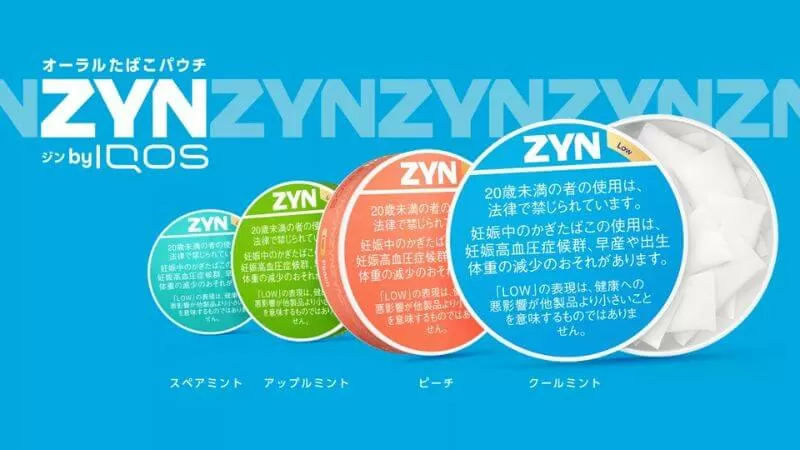
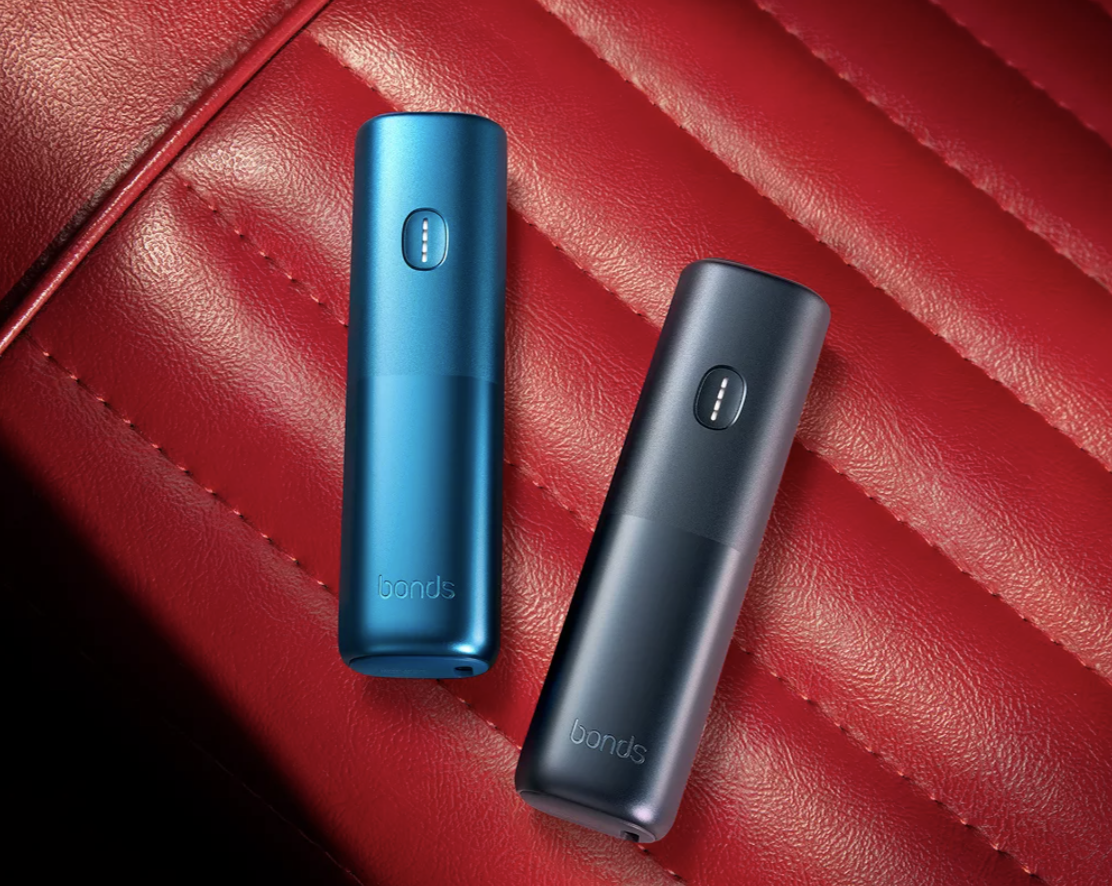
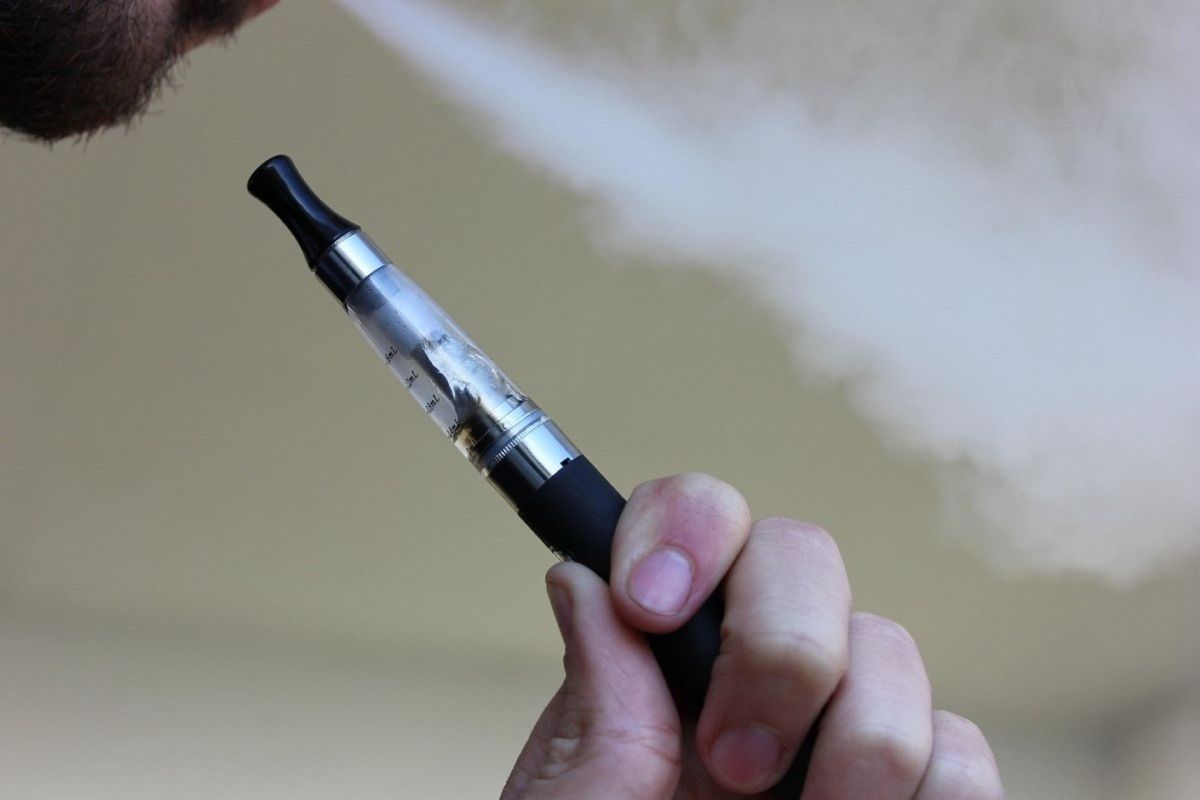
According to a report from Enmayuscula on August 12, the Panamanian Ministry of Health (Minsa) has reiterated to the public that Resolution No. 146 of January 31, 2025, will come into effect on August 13, 2025. This resolution establishes regulations for the use, marketing, promotion, advertising, and consumption of electronic nicotine delivery systems and electronic non-nicotine systems (SEAN and SESN), traditional heated tobacco products (PTC), oral nicotine products (PNO) and their accessories, pods, and other components (whether or not they contain nicotine) within the Republic of Panama.
This regulation aims to "protect the public, especially children and adolescents, from known risks associated with the use and exposure to these products and their emissions. The measure is in line with the preventive principles of public health and is based on existing evidence indicating that these devices may have adverse effects.
The main regulations that businesses and the public must consider include:
- Tobacco products must not be placed in public areas where they can be touched or seen. The products regulated by this resolution cannot be displayed in open windows, counters, or areas accessible to customers. In the first two years after the implementation of this regulation, tobacco products can only be displayed in closed windows or shelves.
- Improper placement may result in confiscation and penalties for tobacco products. Smoking tobacco products is prohibited in all smoke-free areas. This includes public and private offices, schools, hospitals, transportation vehicles, restaurants, bars, shopping malls, sports stadiums, churches, hotels, nightclubs, and recreational facilities. In smoke-free areas, the use of e-cigarettes is also prohibited. It is forbidden to sell tobacco products to minors.
- Sales points must display prominent signs warning consumers to adhere to this ban and use any valid official identification (personal ID, driver's license, passport) to verify the age of the purchaser.
- It is prohibited to advertise or promote these products directly or indirectly, including on packaging, social media, or digital media.
We welcome news tips, article submissions, interview requests, or comments on this piece.
Please contact us at info@2firsts.com, or reach out to Alan Zhao, CEO of 2Firsts, on LinkedIn
Notice
1. This article is intended solely for professional research purposes related to industry, technology, and policy. Any references to brands or products are made purely for objective description and do not constitute any form of endorsement, recommendation, or promotion by 2Firsts.
2. The use of nicotine-containing products — including, but not limited to, cigarettes, e-cigarettes, nicotine pouchand heated tobacco products — carries significant health risks. Users are responsible for complying with all applicable laws and regulations in their respective jurisdictions.
3. This article is not intended to serve as the basis for any investment decisions or financial advice. 2Firsts assumes no direct or indirect liability for any inaccuracies or errors in the content.
4. Access to this article is strictly prohibited for individuals below the legal age in their jurisdiction.
Copyright
This article is either an original work created by 2Firsts or a reproduction from third-party sources with proper attribution. All copyrights and usage rights belong to 2Firsts or the original content provider. Unauthorized reproduction, distribution, or any other form of unauthorized use by any individual or organization is strictly prohibited. Violators will be held legally accountable.
For copyright-related inquiries, please contact: info@2firsts.com
AI Assistance Disclaimer
This article may have been enhanced using AI tools to improve translation and editorial efficiency. However, due to technical limitations, inaccuracies may occur. Readers are encouraged to refer to the cited sources for the most accurate information.
We welcome any corrections or feedback. Please contact us at: info@2firsts.com