Key Points
- Philippine customs intercepted nine misdeclared containers at the Manila International Container Port.
- The shipments originated from China and were valued at about ₱137 million, or about $2.22 million.
- Declared items included cardboard boxes, accessories, packaging bags, kitchenware, underwear and footwear.
- Physical inspection found vape kits, disposable vape devices, cartridges and related products.
- The DTI and NBI joined the verification and assessment of the products.
2Firsts
July 10, 2026
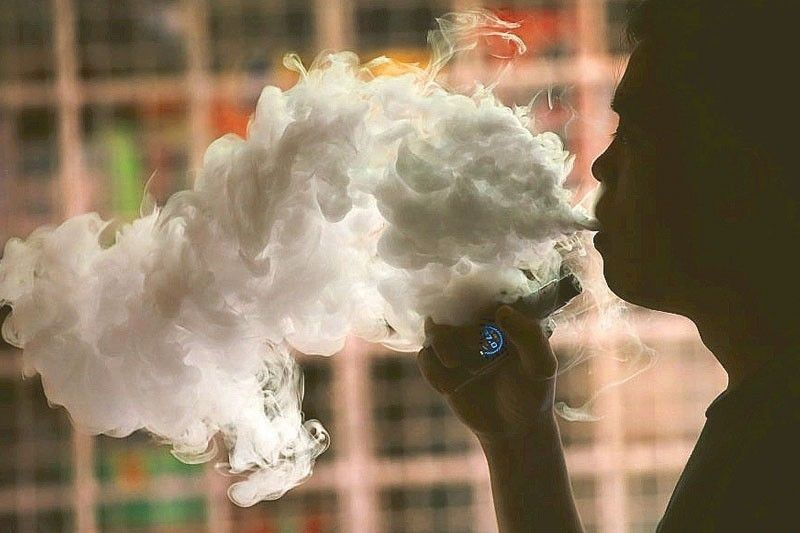
The Philippine Bureau of Customs said it intercepted nine containers of misdeclared vape and vape-related products from China at the Manila International Container Port, with a total estimated value of about ₱137 million, or about $2.22 million.
The bureau said on July 8 that the shipments contained vape kits, disposable vape devices, vape cartridges and other vape-related products.
Nine Containers Were Misdeclared
The Bureau of Customs said MICP District Collector Geoffrey K. De Vera IV issued alert orders against nine containers based on derogatory information, authorizing a 100% physical examination at the designated examination area.
The operation was carried out in coordination with the Customs Intelligence and Investigation Service and the Enforcement and Security Service.
According to the customs bureau, the shipments originated from China and were declared as cardboard boxes, accessories, packaging bags, kitchenware, underwear, clothes hangers, shoe boxes and footwear. Physical examination found substantial quantities of vape and vape-related products that were inconsistent with the declared descriptions.
Vape Kits, Disposables and Cartridges Found
Authorities found vape kits, disposable vape devices, vape cartridges and other vape-related products with a total estimated value of ₱136,924,250.
Representatives from the Department of Trade and Industry and the National Bureau of Investigation took part in the verification and assessment of the products under existing rules governing their importation and sale.
The Philippines regulates the importation, sale, packaging and distribution of vaporized nicotine and non-nicotine products. Products that are misdeclared, improperly imported or non-compliant may face seizure, forfeiture and further enforcement action.
Customs Says It Will Continue Crackdown
Customs Commissioner Ariel F. Nepomuceno said the government has clear rules for regulated vape products and that those seeking to evade them would be held accountable.
He said customs would continue tightening port security to protect the public, legitimate businesses and government revenue.
The Bureau of Customs said it remains focused on strengthening border protection and enforcing customs laws to curb the illicit trade of vape products, safeguard government revenue and protect public health and safety.
Industry Impact and Outlook
The seizure shows that Philippine vape enforcement is extending beyond retail checks into import declarations, port inspections and cross-border logistics.
Unlike retail-level enforcement, the Manila International Container Port case involved nine containers and multiple declared product categories, suggesting that illicit vape trade may use complex product descriptions to enter the supply chain. For regulators, declared cargo descriptions, import documents, consistency checks and product compliance are becoming key enforcement areas.
For vape exporters, importers and distributors, compliance pressure in the Philippine market is rising. Companies need to ensure not only that their products meet Philippine vape regulations, but also that import declarations, documentation, packaging labels and distribution channels comply with local requirements.
From a Southeast Asian market perspective, the Philippines remains one of the few markets that regulates rather than broadly bans e-cigarettes. However, as customs, the DTI and the NBI strengthen coordination, illegal imports and misdeclaration may face higher enforcement risks.
Whether the Philippines continues expanding joint enforcement against vape smuggling, revenue losses and product non-compliance will be an important factor shaping the country’s regulated vape market.
Follow 2Firsts for the latest updates on global tobacco harm reduction, nicotine products and regulatory developments.
Cover Image source: Philstar / Bureau of Customs Philippines
Disclaimer
This article is provided solely for professional research, industry discussion, and informational purposes. Any references to brands, companies, products, technologies, or policies are made for factual reporting and analytical purposes only, and do not constitute endorsement, recommendation, promotion, or advertising by 2Firsts.
Nicotine-containing products, including but not limited to cigarettes, e-cigarettes, heated tobacco products, and nicotine pouches, carry significant health risks. Readers are responsible for complying with all applicable laws and regulations in their respective jurisdictions, including age restrictions and access limitations.
The information contained in this article should not be regarded as investment, legal, medical, regulatory, or commercial advice. While 2Firsts strives to ensure the accuracy and reliability of its content, it does not assume liability for any direct or indirect loss arising from errors, omissions, inaccuracies, or reliance on the information contained herein.
This article is not intended for individuals below the legal age for accessing tobacco or nicotine-related information in their jurisdiction.
Copyright Notice
This article is either original content produced by 2Firsts or content reproduced, translated, summarized, or adapted from third-party sources with attribution where applicable. The intellectual property rights of the original content remain with 2Firsts or the respective original rights holders.
No individual or organization may copy, reproduce, distribute, republish, modify, translate, or otherwise use this content without prior authorization. Any unauthorized use may result in legal action.
For copyright-related inquiries, corrections, or removal requests, please contact: info@2firsts.com.
AI-Assisted Translation and Editing Notice
Portions of this article may have been translated, edited, or reviewed with the assistance of artificial intelligence tools to improve efficiency and readability. Due to the limitations of AI-assisted translation and editing, discrepancies, omissions, or inaccuracies may exist when compared with the original source.
Where applicable, readers are advised to refer to the original source for the most complete and accurate information. If you identify any errors or believe that any content infringes upon your rights, please contact us at info@2firsts.com, and we will review and address the matter promptly.