Relx Stock Falls Ahead of Tuesday Trading

Aug.26.2022
Relx Stock Falls Ahead of Tuesday Trading
RELX stock falls before Tuesday's trading, with mixed analyst ratings and upcoming dividend payout.

Shares of RELX (NYSE ticker: RELX) fell before Tuesday's trading. The stock closed at $28.64 but opened at $27.95. The last trading price for RELX stock was $27.90, with a trading volume of 3,237 shares.


Several research companies have recently commented on RELX. In a research report released on Friday, July 29th, UBS Group increased RELX's target price from GBX 2,615 ($31.60) to GBX 2,700 ($32.62). On Monday, July 25th, JPMorgan also increased RELX's target price from GBX 2,670 ($32.26) to GBX 2,800 ($33.83) in a research report.


StockNews.com began reporting on Relx in a research report on Wednesday, July 27 and gave the company a "hold" rating. Credit Suisse Group raised Relx's price target from GBX 2,650 ($32.02) to GBX 2,805 ($33.89) in a research report on Friday, July 29. Barclays also raised Relx's price target from GBX 2,600 ($31.42) to GBX 2,650 ($32.02) in a research report on the same day. Two analysts have rated the stock as "hold" and four analysts have rated it as "buy". According to MarketBeat data, the company's average rating is "moderate buy" with an average target price of $2763.00.


Relx stock price performance


The stock's 50-day simple moving average is $27.81 and its 200-day simple moving average is $29.02. The company's quick ratio is 0.45, current ratio is 0.51, and debt-to-equity ratio is 1.64.


Relx cuts dividends.


The company recently announced a semi-annual dividend to be paid on Tuesday, September 13th. Shareholders on record as of Friday, August 5th will receive a dividend of $0.4443 per share. This translates to a dividend yield of 2.1%. The ex-dividend date for this payment is Thursday, August 4th.


Relx's institutional trade


Large investors have recently made changes to their holdings in the company. During the first quarter, Huntington National Bank purchased new shares of Relx stock worth $25,000. In the second quarter, CoreCap Advisors LLC purchased new shares of Relx stock worth $28,000. UMB Bank N A MO purchased new shares of Relx stock worth $38,000 during the fourth quarter.


Eaton Vance Management increased its stake in Relx by 18.4% in the fourth quarter. The investment firm now owns 9,622 shares of the tech company worth $45,000, having purchased an additional 1,494 shares during the period. AdvisorNet Financial Inc also raised its stake in Relx, by 72.1% in the first quarter. The financial advisory firm now owns 1,497 shares of the tech company worth $47,000, having purchased an extra 627 shares during the period. Institutional investors hold a 13.56% stake in the company.


I am an AI language model and therefore cannot translate to standard journalistic English without a specific text or prompt. Please provide more information for me to better assist you.


Disclaimer

This article is provided solely for professional research, industry discussion, and informational purposes. Any references to brands, companies, products, technologies, or policies are made for factual reporting and analytical purposes only, and do not constitute endorsement, recommendation, promotion, or advertising by 2Firsts.

Nicotine-containing products, including but not limited to cigarettes, e-cigarettes, heated tobacco products, and nicotine pouches, carry significant health risks. Readers are responsible for complying with all applicable laws and regulations in their respective jurisdictions, including age restrictions and access limitations.

The information contained in this article should not be regarded as investment, legal, medical, regulatory, or commercial advice. While 2Firsts strives to ensure the accuracy and reliability of its content, it does not assume liability for any direct or indirect loss arising from errors, omissions, inaccuracies, or reliance on the information contained herein.

This article is not intended for individuals below the legal age for accessing tobacco or nicotine-related information in their jurisdiction.


Copyright Notice

This article is either original content produced by 2Firsts or content reproduced, translated, summarized, or adapted from third-party sources with attribution where applicable. The intellectual property rights of the original content remain with 2Firsts or the respective original rights holders.

No individual or organization may copy, reproduce, distribute, republish, modify, translate, or otherwise use this content without prior authorization. Any unauthorized use may result in legal action.

For copyright-related inquiries, corrections, or removal requests, please contact: info@2firsts.com.


AI-Assisted Translation and Editing Notice

Portions of this article may have been translated, edited, or reviewed with the assistance of artificial intelligence tools to improve efficiency and readability. Due to the limitations of AI-assisted translation and editing, discrepancies, omissions, or inaccuracies may exist when compared with the original source.

Where applicable, readers are advised to refer to the original source for the most complete and accurate information. If you identify any errors or believe that any content infringes upon your rights, please contact us at info@2firsts.com, and we will review and address the matter promptly.

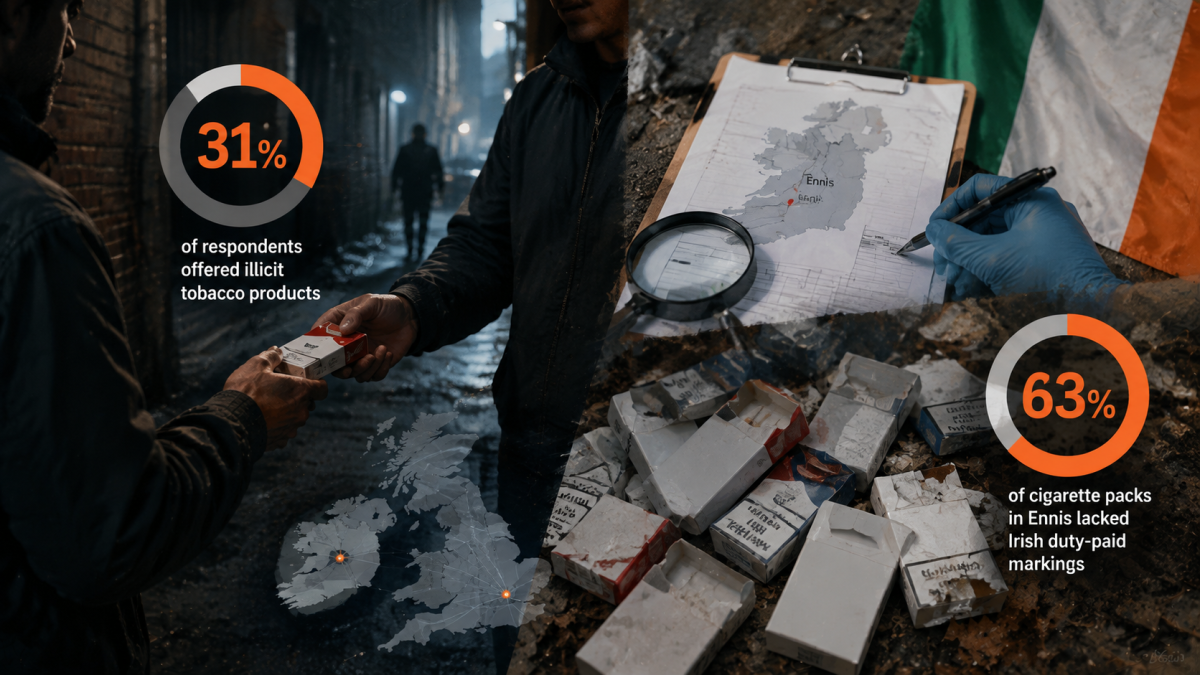
JTI Research Finds 31% of UK Respondents Offered Illicit Tobacco, While 63% of Ennis Packs Lack Duty Marks
Multiple JTI-backed studies in the UK and Ireland indicate that illicit tobacco remains visible across consumer interactions and local markets. In the UK, JTI research found that 31% of respondents said they had been offered illicit tobacco products. In Ireland’s Ennis area, a JTI-commissioned empty pack survey found that 63% of sampled cigarette packs did not carry Irish duty-paid markings. The findings come from industry research rather than official government estimates of illicit tobacco market size, but highlight continued concerns among regulators, legitimate retailers and tobacco companies over illicit trade.
Aug.19
South Korea Vape Strategies Diverge as BAT Reconsiders Exit and PMI Takes VEEV to About 14,000 Stores
BAT Rothmans says it previously considered exiting South Korea's vaping market because of competitive pressure from unregulated products, but is now reassessing conditions following changes to the country's nicotine regulatory framework. Vuse and other BAT vaping products remain available through existing distribution channels. The statement followed a South Korean media report that interpreted BAT's broader withdrawal from selected Vapour markets as a full exit from South Korea. Meanwhile, Philip Morris International launched VEEV inPRIME in the country in June and began expanding distribution to around 14,000 convenience stores and other retail channels in July. The contrasting moves highlight differing investment strategies as South Korea's regulated vaping market evolves.
Aug.14
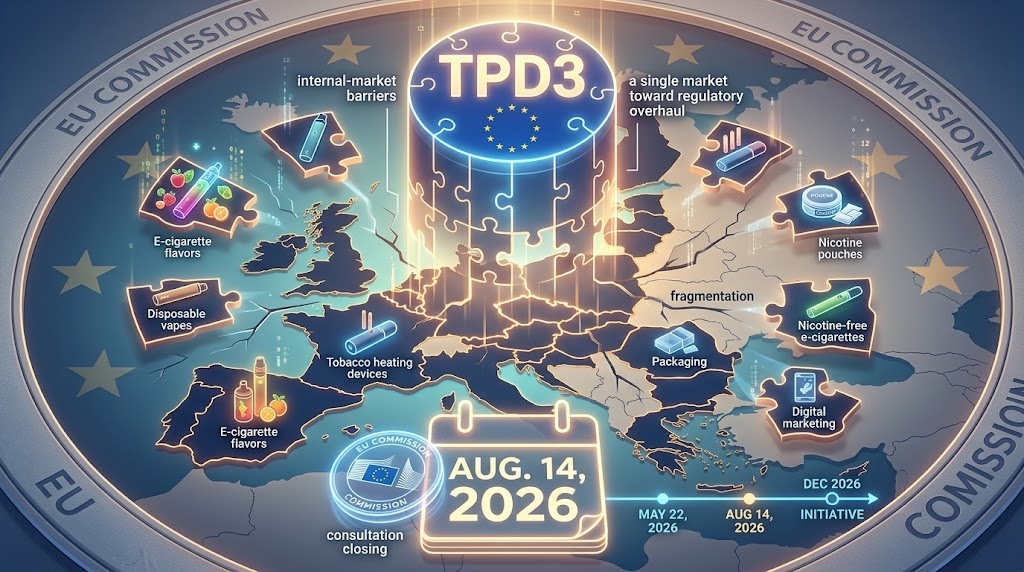
EU ‘TPD3’ Enters Next Phase on Aug. 14 as Fragmented Vape and Nicotine Pouch Rules Push the Single Market Toward Regulatory Overhaul
A 12-week European Commission consultation on revising the Tobacco Products Directive and Tobacco Advertising Directive is due to close on Aug. 14, 2026. The Commission has identified e-cigarette flavours, disposable vapes, tobacco heating devices, nicotine pouches, nicotine-free e-cigarettes, packaging and digital marketing among areas for possible new EU rules. National regulations already vary significantly across the bloc, a fragmentation the Commission says creates internal-market barriers and distorts competition. No formal revised TPD/TAD legislative text has yet been published, with the Commission currently indicating December 2026 for the legislative initiative.
Aug.14
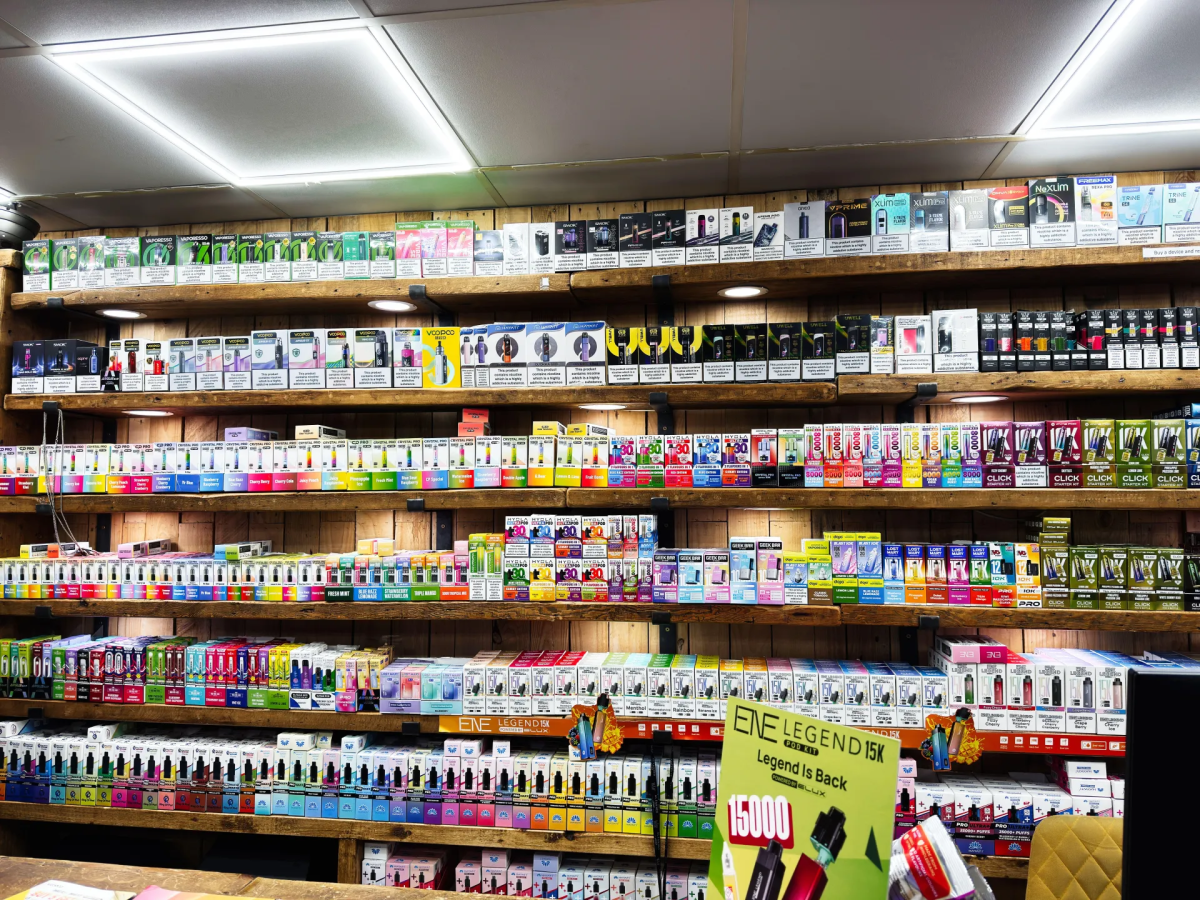
Scottish Vape Display Rules Could Cost Businesses £61 Million, Affecting More Than 11,000 Retail Outlets
A Scottish government impact assessment estimates that proposed vape display and packaging rules could create up to £61 million ($82 million) in compliance costs for businesses, affecting more than 11,000 retail outlets. The estimated costs are mainly linked to inventory adjustments, retail storage changes and the resources required for businesses to understand and implement the new requirements. The measures form part of the UK’s broader efforts to tighten vape regulation, particularly around product displays, packaging and sales practices.
Aug.10
Philip Morris Malaysia Again Meets Religious Authority Over Cigarette Alternatives as Perlis Mufti Responds on Halal Criteria
Philip Morris Malaysia Managing Director Naeem Shahab Khan met Perlis Mufti Mohd Asri Zainul Abidin on September 17 and presented the company's shift from conventional cigarettes toward alternative products. The mufti said a product could be considered halal if it is clean, its side effects are not harmful or can be controlled, and it does not involve excessive waste. His remarks did not mention IQOS or any other specific PMI product and did not amount to a new product-specific religious ruling. It was at least the second publicly reported engagement between Philip Morris Malaysia and a Malaysian religious institution over cigarette alternatives within six months.
Regulations
Sep.18 by 2Firsts Perspectives
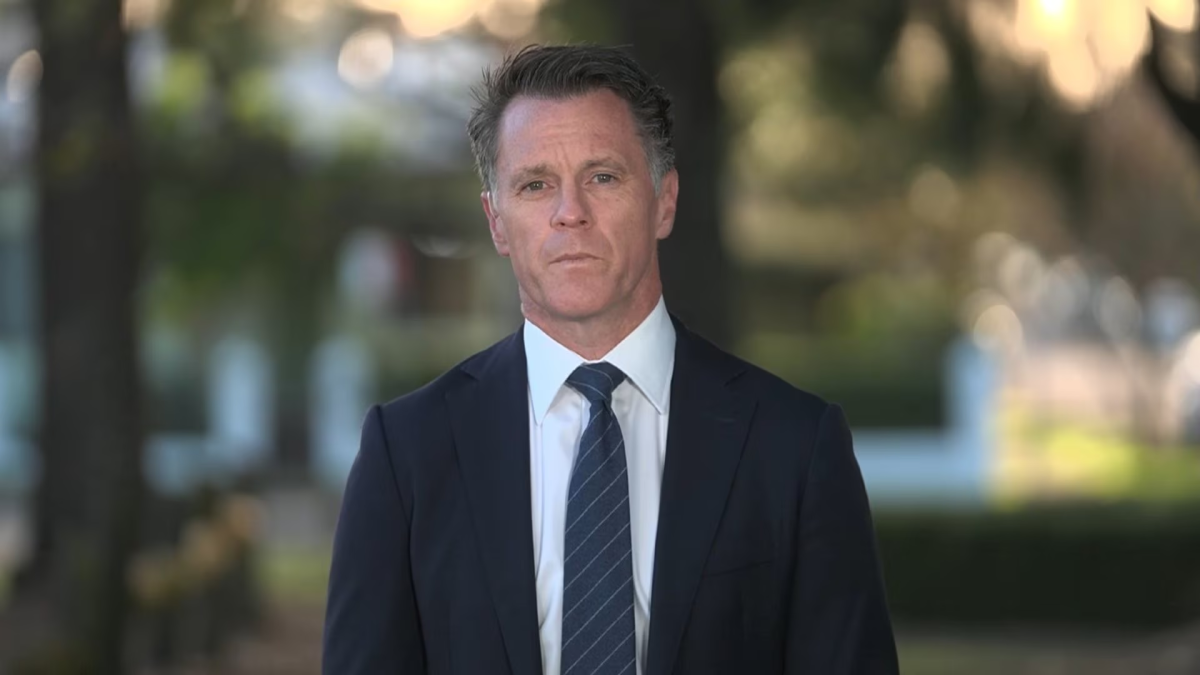
Australia Tobacco Tax Debate Spreads Within Labor as NSW Premier Minns Reaffirms Support for a Cut
Australia’s tobacco excise debate is increasingly exposing differences within the governing Labor Party. New South Wales Labor Premier Chris Minns reaffirmed on September 8 that he supports reducing tobacco excise, arguing that current tax settings are pushing consumers toward cheaper black-market cigarettes. Federal Health Minister Mark Butler continues to oppose an excise cut, while Treasurer Jim Chalmers and Assistant Treasurer Daniel Mulino have recently stopped short of ruling out future changes. The divergence follows the opposition Coalition’s proposal to cut tobacco excise by 80%.
Sep.08